


Low pressure molding wire harness strain relief means injecting molten polyamide hot melt at low pressure around a cable exit or wire breakout, so that it bonds to the jacket, seals the gaps between wires and solidifies into a tapered strain relief or grommet in a single short cycle. It can replace separate rubber boots, multi-layer heat-shrink and hand-fitted grommets with one molded part that also keeps out water and dust. This article covers what grommets and strain reliefs do, how the process runs, which design decisions matter before tooling, and how to test the result.
Key takeaways
- Low injection pressure lets you overmold directly onto jackets and crimped terminals without crushing or shifting them.
- A strain relief should taper toward the cable exit so that bending is spread out rather than concentrated at one edge.
- Jacket adhesion, wire positioning in the mold, and flex and pull testing decide whether the part survives in the field.
What low pressure molding does for a wire harness
A wire harness bundles many conductors with terminals and connectors into one assembly. Field failures tend to cluster in the same places: where wires branch out, where the cable leaves the back of a connector, and where the harness passes through a panel or housing wall. These spots concentrate vibration and repeated bending, and they are the easiest path for moisture and dust.
Low pressure molding (LPM) encapsulates those spots in a thermoplastic hot melt. As a general range, polyamide hot melt is melted at roughly 180 to 240°C and injected at a few bar up to a few tens of bar, and a full cycle often finishes in well under a minute. Conventional injection molding uses far higher pressure, which can deform jackets or push crimps out of position. We covered typical parameter windows in Low Pressure Molding Process Parameters.
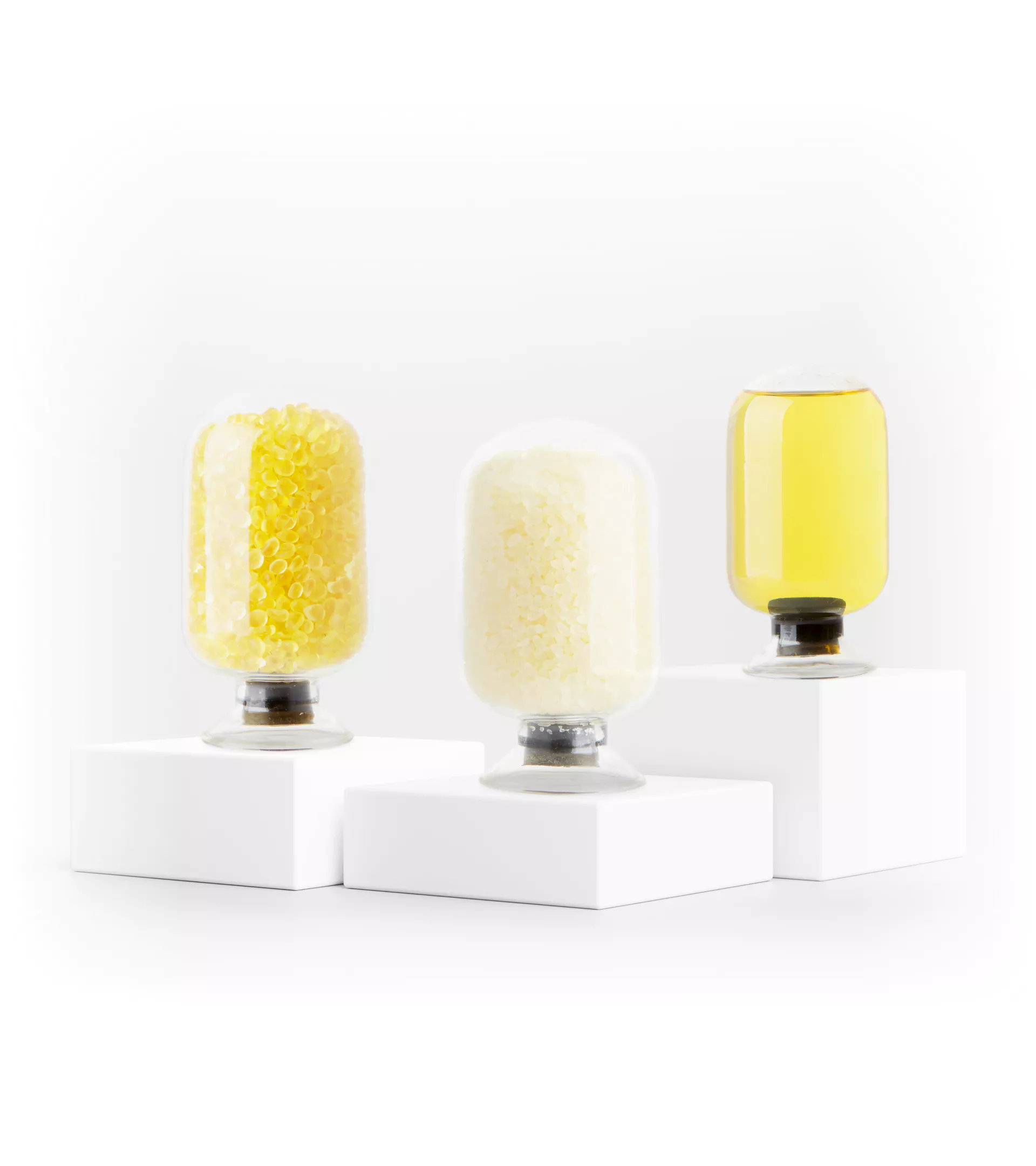
Dimer acid-based polyamide hot melts are the usual material. Their low melt viscosity lets them flow into the narrow gaps between conductors, and once solid they stay flexible while bonding to a range of jacket materials. Polyolefin-based hot melts are also used, but they differ in which jackets they bond to and in heat resistance, so the choice follows the application.
Grommets vs strain reliefs
Grommets and strain reliefs both protect wires mechanically and environmentally. The difference lies in where they sit and what they mainly do.
| Item | Grommet | Strain relief |
|---|---|---|
| Location | Panel or housing pass-through | Cable exit from connector or housing |
| Main job | Seal the hole, prevent jacket abrasion | Spread pull and bend loads |
| Typical shape | Groove or lip that locks into the panel | Taper toward the cable exit |
| Conventional method | Push-in rubber grommet | Heat-shrink sleeve or separate boot |
| Gain from LPM | Seals the gaps between wires too | Bonds to the jacket, less slip |
Conventional parts are made separately and fitted by hand, which adds part count and leaves gaps between wires that can act as leak paths. Because molten polyamide fills the bundle before it solidifies, one molded body can combine the sealing role of a grommet with the load-spreading role of a strain relief. If the molding also covers the back of a connector, see Connector Sealing with Polyamide Hot Melt.
Low pressure molding wire harness strain relief: the process
A typical low pressure molding wire harness strain relief sequence has five steps. What you check at each step largely determines yield.
- Preparation: Clean release agents, oil and dust from the jacket in the molding zone. Depending on the jacket, consider plasma or flame treatment.
- Loading: Place the harness in the mold and fix each wire in its intended position. Wires that drift to one side create thin, weak walls.
- Injection: Inject molten polyamide at low pressure. Match pressure and mold clearance at the cable exits so material does not escape along the cable.
- Hold and cool: Hold pressure to compensate for shrinkage, then cool until the part keeps its shape.
- Demold and inspect: Check appearance, dimensions and flash, and run pull, flex and sealing tests at a defined frequency.
Harness strain relief molding sequence
- Preparation
Clean the jacket, treat the surface if needed - Loading
Fix wire position and spacing in the mold - Injection
Inject molten polyamide at low pressure - Hold and cool
Compensate shrinkage, keep the shape - Inspect
Check flash, run pull, flex and sealing tests
A general sequence. Actual settings depend on jacket material and mold design.
Unlike potting, there is no cure time to wait for. Once the part has cooled it can move to the next station, which keeps cycle time short even when one harness has several molded points. A broader comparison is in Low Pressure Molding vs Potting.
Design decisions to make before cutting the mold
Many harness molding problems are fixed, or created, at the design stage. Settling these points before the mold is cut saves trial loops.
- Jacket material: PVC, polyolefins (PE, PP), TPE, cross-linked polyethylene and silicone all bond differently to polyamide. Polar jackets generally bond well; non-polar and silicone jackets may need surface treatment or a mechanical interlock.
- Strain relief length and taper: Set these from cable diameter, minimum bend radius and the required number of flex cycles. A short, blunt tip just moves the bending point to the edge of the molding, where conductors then break.
- Wire positioning: With multiple conductors, use fixtures or mold features that keep wires apart. Wires pressed together leave unfilled channels that let water in.
- Shut-off at cable exits: The clearance where the cable leaves the mold is both the main flash point and the place where jackets get pinched. Size it with the cable diameter tolerance in mind.
- Gates and vents: Put vents where the melt front arrives last so air is not trapped. See Low Pressure Molding Mold Design for the principles.
- Service environment: Operating temperature, contact with oil or fuel, the required ingress protection rating (IEC 60529 IP codes, or ISO 20653 for road vehicles) and any UL 94 flammability requirement all narrow the grade choice.
Testing and common defects
A molding can look fine and still fail if it has not bonded to the jacket or contains internal voids. These checks are commonly used:
- Pull test: Pull the cable and record the force at which it slips out of the molding. This shows whether adhesion or mechanical locking is sufficient.
- Flex test: Bend the cable at the exit through a set angle for a set number of cycles, then check for broken conductors or jacket damage.
- Sealing test: Use immersion or pressure decay to confirm water cannot enter through the molding. Repeating it after thermal cycling shows whether the bond line holds.
- Workmanship criteria: IPC/WHMA-A-620, a widely used acceptance standard for cable and wire harness assemblies, has a dedicated over-molding and potting section that is useful when defining visual acceptance.
Four defects come up most often. Jacket deformation or melting is reduced by lowering melt temperature or contact time, or by choosing a jacket with higher heat resistance. Flash at the cable exits is controlled through shut-off clearance and injection pressure. Short shots and voids between wires call for wire spacing, vent placement and injection speed to be adjusted together. Poor jacket adhesion is handled with cleaning and grade selection. Symptoms and fixes are covered in Troubleshooting Low Pressure Molding, and sensor-specific points are in Sensor Overmolding with Polyamide.
SILVERSTAR CHEMICAL's LPM materials for harnesses
SILVERSTAR CHEMICAL has produced polyamide hot melt in-house since 2011 and manufactures solvent-free polyamide for low pressure molding of PCBs, sensors, connectors and wire harnesses under the ERAMID brand. For applications such as automotive electronics, where heat and fire safety both matter, the range includes a UL 94 V-0 flame-retardant grade and grades with thermal stability up to 200°C.
- Formulation: VOC- and halogen-free formulations, with shorter cycles than potting.
- Custom development: Raw material selection, formulation and quality inspection are done in-house, so viscosity and formulation can be adjusted to the jacket material and mold conditions.
- Quality system: ISO 9001 and ISO 14001 certified, with 27 patents and certifications.
Grade data and documentation depend on the application and are provided on inquiry. For automotive uses see the automotive solutions page, and for company background see the SILVERSTAR CHEMICAL company FAQ. A general material overview is in the LPM Materials Guide.
Frequently Asked Questions
Q. What is low pressure molding wire harness strain relief?
Low pressure molding wire harness strain relief is a molded section, usually made from polyamide hot melt, that is formed directly around a cable where it leaves a connector or housing. Molten material is injected at low pressure, bonds to the jacket and fills the gaps between wires, then solidifies within seconds to spread bending and pulling loads away from a single point.
Q. Why use low pressure molding instead of standard injection molding for cables?
Standard injection molding uses much higher pressure, which can crush cable jackets, shift crimped terminals or damage fine wires. Low pressure molding fills the cavity at a fraction of that pressure and typically lower temperature, so the harness can be overmolded directly without a pre-mold or protective shell in many designs.
Q. How long should a molded strain relief be?
There is no single number. Length and taper are usually set from cable diameter, the minimum bend radius and the number of flex cycles the application must survive. Designers then confirm the geometry with flex and pull tests on prototype parts and adjust the taper if cracks or breaks appear at the strain relief tip.
Q. Which cable jackets bond well to polyamide hot melt?
Polar jacket materials generally bond more readily than non-polar ones. Polyolefin and silicone jackets often need surface treatment such as plasma or flame, or a mechanical interlock in the mold design. Testing the actual jacket material before tooling is the safest approach.
Q. Does SILVERSTAR CHEMICAL supply low pressure molding materials for wire harnesses?
Yes. SILVERSTAR CHEMICAL manufactures solvent-free polyamide hot melts for low pressure molding of PCBs, sensors, connectors and wire harnesses under the ERAMID brand, including a UL 94 V-0 flame-retardant grade and grades with thermal stability up to 200°C. Grade data and documentation are provided on inquiry, depending on the application.
If you are evaluating materials for harness molding, send us the jacket material, cable diameter and conductor count, required tests (pull, flex, sealing, flammability) and operating temperature. We will review which ERAMID grade fits. Contact our technical team · Tel +82-55-337-8841 · snschem@snschem.kr