


What is low pressure molding?
Low pressure molding (LPM) is a process that encapsulates electronic components by injecting molten polyamide hot melt into a mold at low pressure. Because the pressure is low, delicate solder joints, fine wires and sensors are not damaged. The material solidifies as it cools, so the molded part can be removed and tested within seconds, without any curing step.
LPM is used to protect PCBs, sensors, connectors and wire harnesses from moisture, dust, vibration and chemicals. This guide explains how the process works, which material properties matter, and how to qualify a new LPM material.
How the LPM process works
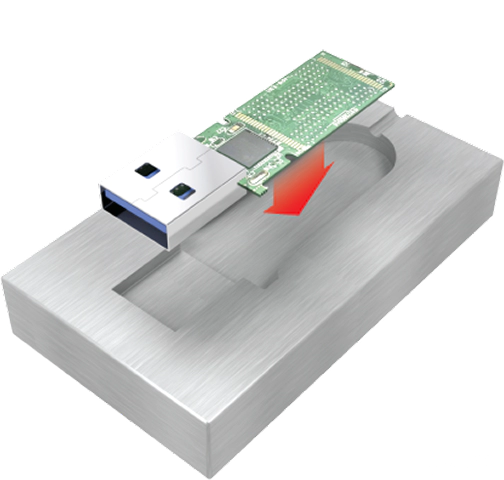
1. Insert. The PCB, sensor or cable assembly is placed and fixed in a mold, usually made of aluminum.
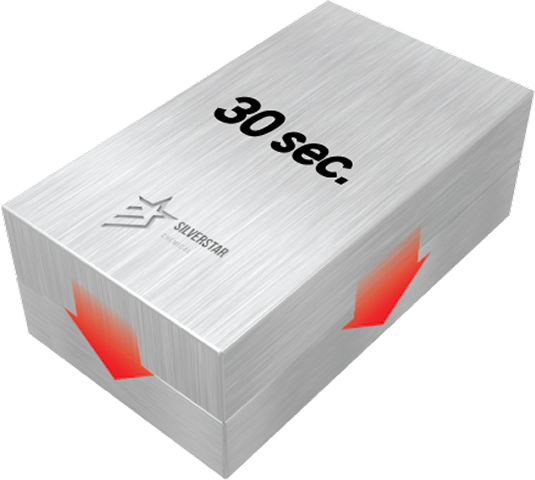
2. Mold. Molten polyamide is injected at low pressure, typically in the range of a few bar to around 40 bar, and fills the cavity around the part. Melt temperatures are typically around 180 to 240°C depending on the grade.
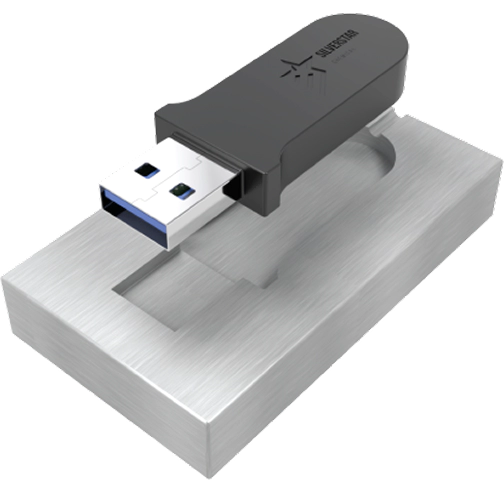
3. Test. After a short cooling time, the part is removed and goes straight to electrical or leak testing. Typical cycle times are measured in seconds rather than minutes.
LPM vs potting vs injection molding
| Item | Low pressure molding | Potting (2-part resin) | High-pressure injection molding |
|---|---|---|---|
| Material | One-part polyamide hot melt | Epoxy, polyurethane or silicone | Engineering plastics |
| Pressure | Low (a few bar to about 40 bar) | Gravity or low dispensing pressure | Hundreds of bar or more |
| Solidification | Cooling, seconds | Chemical curing, minutes to hours | Cooling, seconds |
| Housing | Often not needed | Needed | Not suitable for direct PCB encapsulation |
| Risk to components | Low | Low | High |
| Best fit | Medium to high volume sensors, connectors, PCBs | Large parts, deep fills, low volume | Plastic parts without electronics |
LPM is usually chosen when production volume is high and cycle time matters. Potting remains reasonable for large parts or very low volumes.
Material properties that matter
The performance of an LPM part depends mainly on the material. These are the properties to check first when evaluating a polyamide for LPM:
- Adhesion to the PCB, cable jacket (for example PVC or PA) and housing materials. Poor adhesion creates a path for moisture.
- Thermal shock resistance. The molding must not crack or delaminate when cycled between low and high temperatures.
- Softening point. It must be well above the highest operating temperature of the part.
- Hardness. Too hard and the molding can crack under impact; too soft and it gives weak mechanical protection.
- Flame retardancy. Automotive and electrical parts often require UL 94 V-0.
- Moisture and chemical resistance against water, oils and fuels in the operating environment.
Typical LPM applications
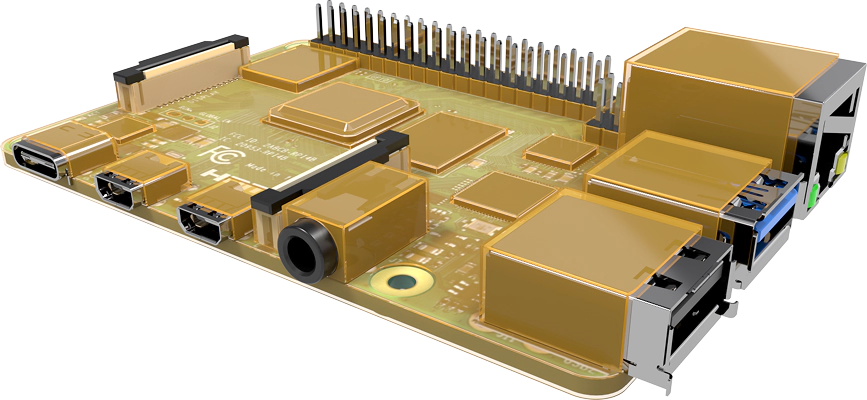
- Automotive sensors and connectors
- Wire harness strain relief and cable overmolding
- PCB encapsulation for industrial controls
- Waterproof sealing of LED modules and outdoor electronics
Switching to a new LPM material
Many manufacturers look for a second source or a regional supplier for LPM polyamide. A structured qualification reduces risk:
- Define requirements: part geometry, substrates, operating temperature range, required certifications and target cycle time.
- Sample test on real parts with the existing mold and molding machine.
- Reliability tests: thermal cycling, adhesion after aging, and moisture or chemical exposure according to your test plan.
- Process window check: melt temperature, injection pressure and cooling time.
- Pilot lot and incoming inspection against the technical data sheet before full production.
SILVERSTAR CHEMICAL LPM polyamides
SILVERSTAR CHEMICAL Co., Ltd. is a Korean manufacturer of polyamide hot melt adhesives sold under the ERAMID brand. It has produced polyamide hot melts in-house since 2011 and has an annual capacity of 3,000 metric tons. Its LPM polyamides are solvent-free and include grades with UL 94 V-0 flame retardancy and heat stability up to 200°C. The company develops custom grades and supports sample testing.
Polyamide for LPM → · Company FAQ →
FAQ
Q. What is low pressure molding (LPM)?
Low pressure molding is an encapsulation process that injects molten polyamide hot melt into a mold at low pressure to seal and protect electronic parts such as PCBs, sensors and connectors. The part cools in the mold and is ready within seconds, without curing.
Q. What materials are used for low pressure molding?
Polyamide hot melts are the most common LPM materials because they melt at moderate temperatures, flow at low pressure, bond to plastics and metals, and resist moisture and many chemicals after cooling.
Q. How is LPM different from potting?
Potting fills a housing with a two-part resin that must cure, often for minutes to hours. LPM uses a one-part thermoplastic that solidifies by cooling, so cycle times are much shorter and a separate housing is often unnecessary.
Q. Can LPM materials meet UL 94 V-0?
Yes. Flame-retardant polyamide grades for LPM are available with a UL 94 V-0 rating. SILVERSTAR CHEMICAL offers such grades.
Q. How do I switch to a different LPM polyamide?
Define the part, substrates, operating temperature and required certifications, test samples on real parts with your existing mold and machine, run thermal cycling and adhesion tests, and qualify a pilot lot before full production.