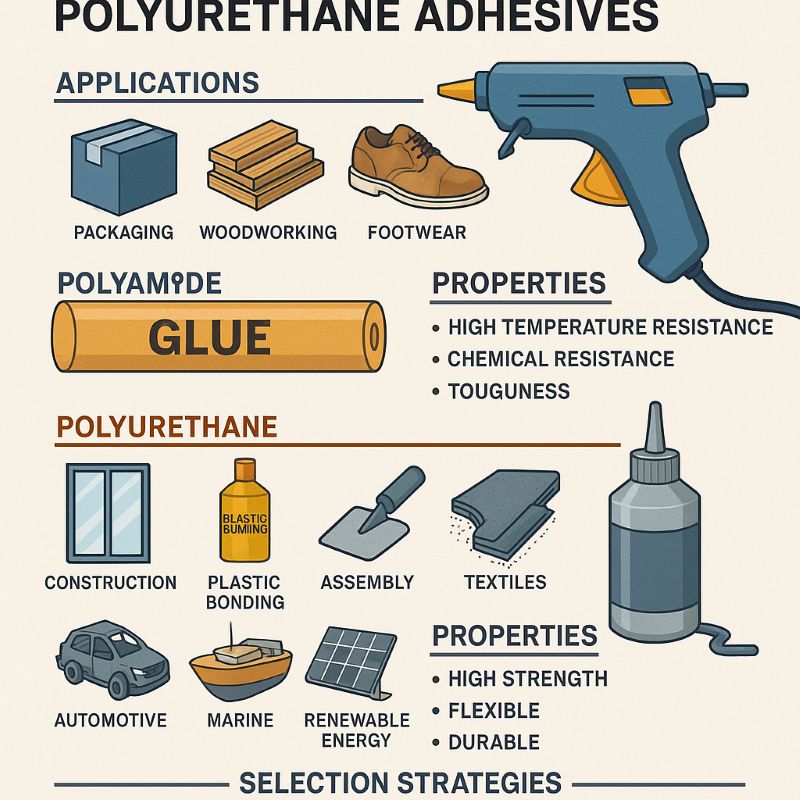




Sensor overmolding with polyamide means placing the sensor board and cable in a mold and injecting molten polyamide hot melt around them at low pressure, so the part leaves the machine sealed, strain-relieved and ready to test in a single short cycle. For automotive sensors such as speed, position, temperature and level sensors, the method replaces separate housings, potting compounds and long cure times. This sensor overmolding polyamide guide covers the design points, process steps and validation tests engineers usually work through.
Key takeaways
- Low injection pressure protects solder joints and fragile sensing elements.
- Design the cable exit, wall thickness and component fixing before cutting steel.
- Validate with ingress, thermal shock, fluid immersion and pull tests on real parts.
Why overmold automotive sensors with polyamide
Automotive sensors sit in some of the harshest places on a vehicle: wheel arches, engine bays, transmissions and underbody areas exposed to water spray, road salt, oils and wide temperature swings. The electronics inside need a sealed, vibration-resistant enclosure, and the cable exit needs to stay sealed while the harness flexes.
Polyamide hot melts suit this job for several reasons. They are thermoplastic, so they set as soon as they cool and need no curing. Their melt viscosity is low enough to flow around components at pressures that are typically a few bar to a few tens of bar, far below conventional injection molding. Many grades bond to PVC and polyamide cable jackets, FR-4 boards and some metals, and they stay flexible at low temperatures. Compared with potting, there is no mixing, no housing to stock and no cure oven. A broader comparison is in our low pressure molding vs potting article.

Design points before tooling
Most overmolding problems are decided at the design stage. Review these points with the board designer, the toolmaker and the material supplier before the mold is built.
| Design factor | What to check | Typical approach |
|---|---|---|
| Wall thickness | Even flow and cooling | Keep walls uniform; avoid thick blocks |
| Component fixing | Board moving during fill | Locate on holes or edges; use pins |
| Cable exit | Seal and strain relief | Clamp jacket; add a tapered boot |
| Sensing face | Material thickness over sensor | Define a thin, controlled cover layer |
| Gate position | Flow hitting fragile parts | Gate toward robust areas, flow along board |
| Venting | Trapped air and voids | Vent at last-fill points |
Also confirm the maximum temperature that components, solder and the cable jacket can tolerate for the few seconds of contact with the melt. This sets the upper limit for melt temperature and influences grade selection.
The sensor overmolding polyamide process step by step
A typical sensor overmolding polyamide process follows the sequence shown below. Cycle times generally fall in the range of seconds to around a minute, depending on part size and wall thickness.
Sensor overmolding with polyamide: process flow
- Design review
Wall thickness, cable exit, gate and vent positions - Grade selection
Temperature range, adhesion to jacket and board, flame rating - Insert loading
Place board and cable on locating pins; close the mold - Low pressure injection
Molten polyamide fills the cavity at low pressure - Cool and demold
Polyamide sets on cooling; no cure step - Inspect and test
Visual, section cuts, leak and function checks
Settings vary with part size, wall thickness and grade.
Process settings are usually found by trial: start from the supplier's recommended melt temperature, fill slowly at low pressure, then raise pressure or temperature in small steps until the cavity fills without flash. Section cuts of early parts show voids and incomplete encapsulation that are invisible from outside. Keep pellets sealed and dry, because absorbed moisture can cause bubbles. For the base parameters of the process, see our guide to connector sealing with polyamide hot melt, which uses the same molding principles.
Validation tests for automotive sensors
Automotive customers normally specify the test program, but most programs draw on the same set of tests:
- Ingress protection: IP code tests to IEC 60529, or ISO 20653 for road vehicles, which adds high-pressure, high-temperature water jet levels such as IPX9K.
- Thermal shock and cycling: repeated transfer between cold and hot extremes to reveal cracking or loss of adhesion at the board and cable.
- Damp heat: long exposure to high humidity at elevated temperature, followed by adhesion and electrical checks.
- Fluid resistance: immersion in the fluids the sensor may meet, such as engine oil, fuel, brake fluid, coolant or salt water.
- Mechanical tests: vibration and mechanical shock, often referenced to the ISO 16750 series, plus pull and bend tests on the cable exit.
- Function: insulation resistance and sensor output checked before and after each stress.
Testing a batch made with the final mold, final material lot and final process settings gives results that carry over to production.
Common problems and how to avoid them
- Voids near components: often caused by trapped air or moisture in pellets. Add vents, dry storage and slower initial fill.
- Short shots: melt temperature or pressure too low, or the gate too far from thin sections.
- Flash at the cable: cable diameter tolerance or insufficient clamping. Size the cable seat to the jacket tolerance.
- Poor adhesion to the jacket: check jacket material compatibility and surface contamination such as release agents.
- Board displacement: the board moves under flow. Add locating pins and change the flow direction.
Polyamide for LPM from SILVERSTAR CHEMICAL
SILVERSTAR CHEMICAL Co., Ltd. is a polyamide hot melt manufacturer in Yangsan, South Korea, producing in-house since 2011 with 3,000 metric tons of annual capacity. Its ERAMID solvent-free polyamides for low pressure molding protect PCBs, sensors, connectors and wire harnesses, with UL 94 V-0 flame-retardant grades and grades offering thermal stability up to 200°C. Raw material selection, formulation and quality inspection are done in-house, so viscosity and formulation can be tailored to a part. See polyamide for LPM, automotive polyamide adhesives and the SILVERSTAR CHEMICAL company FAQ.
Frequently Asked Questions
Q. What does sensor overmolding polyamide mean?
Sensor overmolding with polyamide is a low pressure molding process in which molten polyamide hot melt is injected around a sensor's circuit board, sensing element and cable exit at low pressure, forming a sealed protective housing in one cycle.
Q. Why use polyamide instead of potting for automotive sensors?
Polyamide overmolding typically needs no housing, no mixing and no curing time, so cycle times are measured in seconds to around a minute rather than hours. It also bonds to common cable jackets and board materials and remains flexible across a wide temperature range.
Q. Which tests are used to validate an overmolded sensor?
Typical programs combine ingress protection tests (IEC 60529 or ISO 20653 for road vehicles), thermal shock, damp heat, vibration, immersion in the fluids the sensor will see, pull tests on the cable exit and electrical function checks. The exact plan follows the customer specification.
Q. Can low pressure molding damage sensitive components?
Because injection pressures are low, usually from a few bar to a few tens of bar, the risk to solder joints and fragile components is much lower than with conventional injection molding. Melt temperature, gate position and flow direction still need to be set so that hot material does not hit sensitive parts directly.
Q. Does SILVERSTAR CHEMICAL supply polyamide for sensor overmolding?
Yes. SILVERSTAR CHEMICAL manufactures solvent-free ERAMID polyamides for low pressure molding of PCBs, sensors, connectors and wire harnesses, including UL 94 V-0 flame-retardant grades and grades with thermal stability up to 200°C. Contact the team with your application details for grade recommendations and samples.
Share the sensor type, cable and board materials, operating temperature range and required IP rating, and our team will recommend a grade and support sample trials. Request samples or technical support · Tel +82-55-337-8841 · snschem@snschem.kr