


Low pressure molding (LPM) encapsulates electronics in seconds by injecting molten polyamide into a mold at roughly 1.5 to 40 bar, while potting fills a housing with a two-part resin that cures over minutes to hours. LPM usually wins on cycle time, weight and the ability to drop the housing. Potting still wins for very high operating temperatures, high-voltage insulation and low volumes where a mold is hard to justify. This guide compares both on cycle time, cost and reliability.
Key takeaways
- LPM cycle times are typically seconds to about a minute; potting cure times range from tens of minutes (heated) to a day.
- LPM needs a mold but can remove the housing, mixing equipment and curing racks.
- Potting resins cover higher temperature ranges; flexible polyamides put less stress on solder joints during thermal cycling.
How each process works
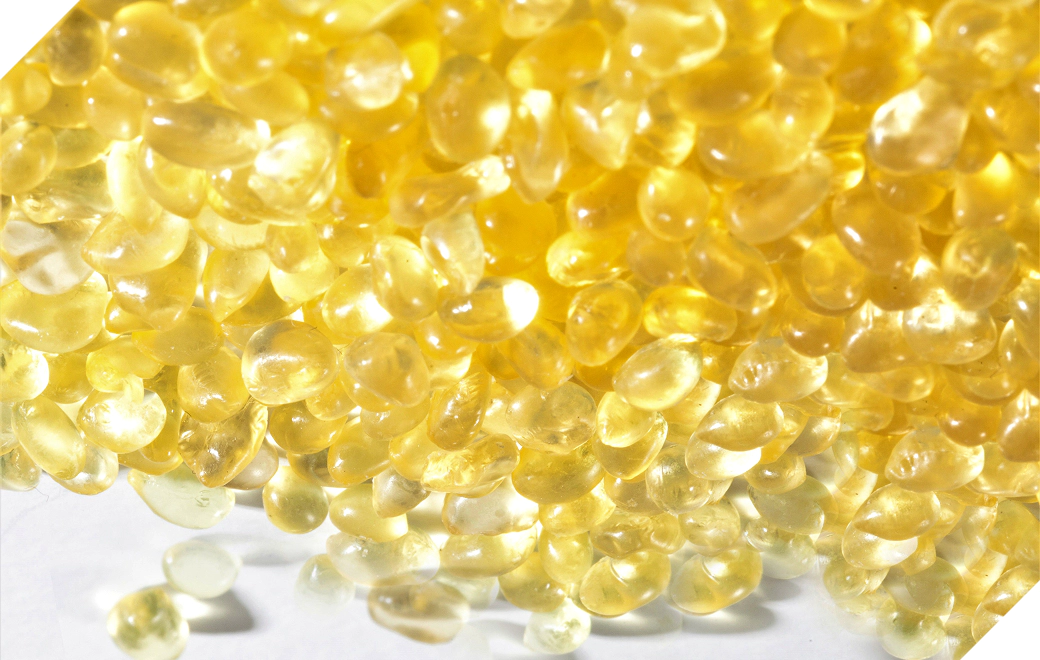
Low pressure molding: the part (PCB, sensor, connector or cable joint) is placed in a mold, usually aluminum. Molten polyamide hot melt is injected at low pressure, cools and solidifies, and the finished part is demolded. No mixing or curing is involved.
Potting: the assembly sits in a housing or shell. A two-part epoxy, polyurethane or silicone is mixed, dispensed, often degassed, and left to cure at room temperature or in an oven.
Side-by-side comparison
| Criteria | Low pressure molding | Potting |
|---|---|---|
| Process time | Seconds to about one minute per shot | Mixing and dispensing plus cure from tens of minutes (heated) to 24 hours |
| Housing | Often not needed; the molded shape is the enclosure | Required (housing or potting shell) |
| Tooling | Mold required, typically aluminum | Dispensing equipment; housings per part |
| Material | One-component polyamide or polyolefin hot melt | Two-component epoxy, PU or silicone |
| Weight | Lower; material only where needed | Higher; housing is filled |
| Work in process | Parts ready immediately | Parts wait for cure |
| Rework | Limited | Very difficult with rigid resins |
| Temperature range | Set by the polyamide grade | Wide, with high-temperature resins available |
Low pressure molding vs potting at a glance
| Criteria | Low pressure molding | Potting |
|---|---|---|
| Cycle time | Seconds to ~1 minute | Minutes to 24 h cure |
| Housing | Often not needed | Required |
| Tooling | Mold (aluminum) | Dispensing equipment |
| Material | 1K polyamide hot melt | 2K epoxy, PU, silicone |
| Weight | Lower | Higher |
| Rework | Limited | Very difficult |
Typical values for comparison. Confirm with your material data sheets and trials.
Cost: where the money goes
LPM shifts cost into tooling: a mold per part design, plus a molding machine. In return it removes housings, two-part mixing equipment, curing ovens or racks, and the floor space and time parts spend waiting to cure. Potting has low upfront cost but higher per-part material use, longer handling and more work in process.
As a rule of thumb, LPM pays back faster as volumes rise and when the housing can be eliminated. For prototypes or very low volumes, potting or a soft aluminum mold for LPM are both reasonable starting points.
Reliability: thermal cycling, moisture and vibration
- Thermal cycling: rigid potting resins with a CTE mismatch can stress solder joints and components. Polyamide hot melts are comparatively flexible and absorb part of that stress.
- Moisture and sealing: both can reach high ingress protection when the design and adhesion are right. With LPM, cable entry points and adhesion to jacket materials decide the result.
- Vibration and shock: both mechanically support components; LPM also provides strain relief at cable exits in the same shot.
- Temperature limits: check the polyamide grade's operating range against the application. Potting remains the default for continuous exposure above the polyamide's limit.
Decision guide
| If your project needs | Lean toward |
|---|---|
| High volume and short cycle time | Low pressure molding |
| Removing the housing to save weight and parts | Low pressure molding |
| Sealing a cable-to-board transition with strain relief | Low pressure molding |
| Continuous service above the polyamide's rated temperature | Potting with a high-temperature resin |
| High-voltage insulation in a large volume | Potting |
| Very low volumes with frequent design changes | Potting, or LPM with a simple aluminum mold |
LPM materials from SILVERSTAR CHEMICAL
SILVERSTAR CHEMICAL Co., Ltd. is a polyamide hot melt adhesive manufacturer in Yangsan, South Korea, producing in-house since 2011 with 3,000 metric tons of annual capacity. Its ERAMID polyamides are used for low pressure molding, filters and automotive interiors. Its solvent-free LPM polyamides protect PCBs, sensors, connectors and wire harnesses, with UL 94 V-0 flame-retardant grades and grades with heat stability up to 200°C. See the LPM materials guide, the LPM solutions page or the SILVERSTAR CHEMICAL company FAQ.
FAQ
Q. Is low pressure molding faster than potting?
Usually yes. An LPM shot typically takes seconds to about a minute and the part is ready immediately, while potting resins need tens of minutes to a day to cure.
Q. Does low pressure molding replace the housing?
In many designs it does, because the molded polyamide forms the enclosure. Some products still keep a housing for mechanical or aesthetic reasons.
Q. What pressure is used in low pressure molding?
Typically about 1.5 to 40 bar, far below conventional injection molding, which is why delicate PCBs and solder joints survive the process.
Q. When is potting the better choice?
When the part runs continuously above the polyamide's rated temperature, needs high-voltage insulation in a large volume, or is produced in volumes too low to justify a mold.
Q. Does SILVERSTAR CHEMICAL supply LPM materials?
Yes. SILVERSTAR CHEMICAL supplies solvent-free polyamides for low pressure molding, including UL 94 V-0 flame-retardant grades and grades with heat stability up to 200°C.
Tell us the application, substrates, operating temperature and required certifications, and our team will recommend a grade and support sample testing. Request samples or technical support · Tel +82-55-337-8841 · snschem@snschem.kr