


Table of Contents
- What is Hotmelt Adhesive?
- Key Uses and Industry-Specific Applications
- Hot Melt Glue Guns and Sticks: What's the Difference?
- Precautions for Use and Storage Tips
- Latest Trends and the 2026 Outlook
Did you know that many everyday items, from the sealed cereal box on your breakfast table to the interior trim of your car, rely on an invisible yet powerful bonding agent? That unsung hero is hotmelt adhesive, a versatile and efficient solution that has become indispensable across countless industries for its rapid bonding capabilities and robust performance. This guide will explore everything you need to know about this remarkable technology.
What is Hotmelt Adhesive? 🧪
A hotmelt adhesive is a type of thermoplastic adhesive that is 100% solid at room temperature. It is applied in a molten state (typically after being heated) and forms a strong bond simply by cooling and solidifying. Unlike solvent-based adhesives, hotmelts contain no water or solvents, which means they set very quickly and are environmentally friendly due to the absence of Volatile Organic Compounds (VOCs). Their primary characteristics include fast processing times, a long shelf life, and the ability to bond a wide variety of materials, including paper, plastic, wood, and fabric.
| Base Polymer | Key Characteristics | Common Use |
|---|---|---|
| EVA (Ethylene-vinyl acetate) | General purpose, good flexibility | Packaging, crafts |
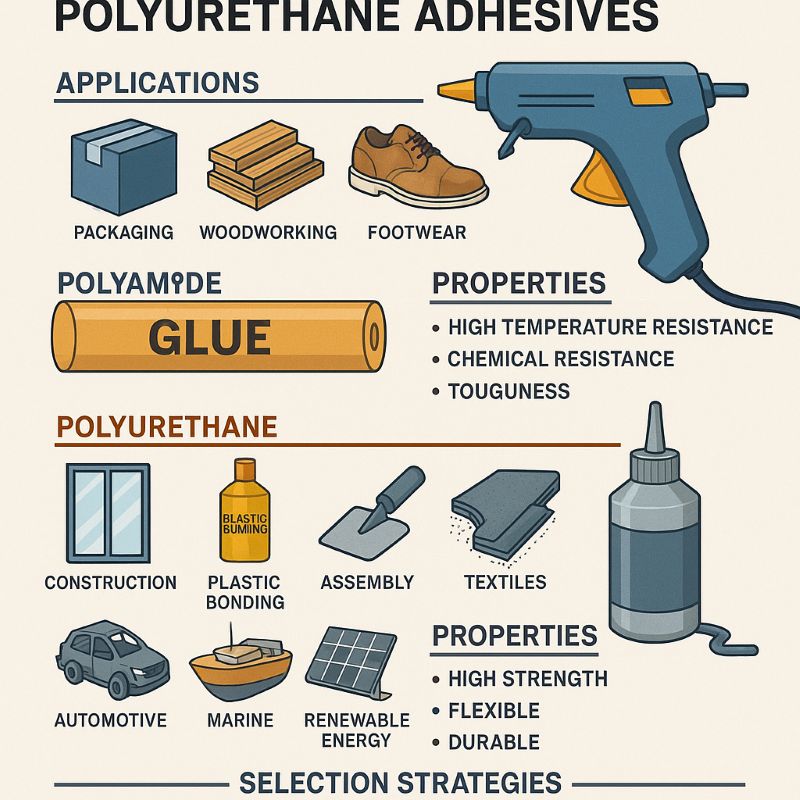
| Polyamide | High-temperature resistance | Electronics, automotive |
| Metallocene (mPO) | Clean application, strong bond | Case and carton sealing |
Key Uses and Industry-Specific Applications 🏭
The versatility of hotmelt adhesive allows it to be a cornerstone in numerous industries. In the packaging sector, it is the go-to solution for sealing cardboard boxes and cartons due to its rapid setting speed, which is essential for high-volume production lines. The bookbinding industry relies on it for spine gluing in books and magazines. In the automotive industry, it's used to bond interior components like headliners and door panels. Furthermore, it plays a crucial role in furniture manufacturing for edge banding, in electronics for securing components, and even in disposable hygiene products like diapers.
💡Key Point
- Packaging: High-speed case and carton sealing for logistics and e-commerce.
- Automotive: Assembly of interior components, sound-dampening materials, and wire harnessing.
- Furniture & Woodworking: Edge banding, profile wrapping, and assembly.
Hot Melt Glue Guns and Sticks: What's the Difference? 🛠️
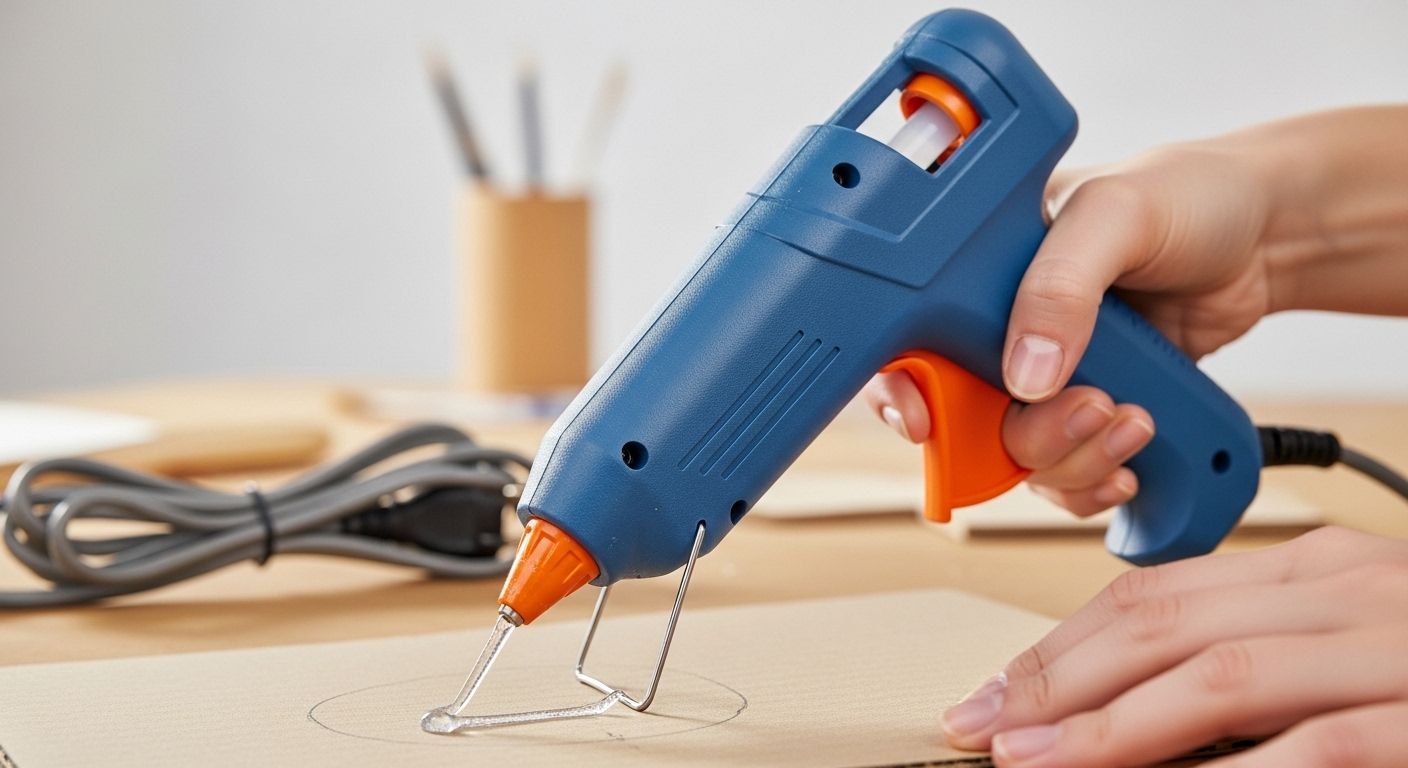
While both are part of the same system, understanding the distinction between glue guns and glue sticks is key to successful application. The glue gun is the application tool that melts the adhesive, while the glue stick is the solid adhesive itself. The choice of tool and stick depends entirely on the project's requirements. Glue guns are available in various power ratings and temperature settings. Sticks come in different formulations designed for specific substrates, offering varying open times (the time before the adhesive sets) and viscosities.
| Gun Type | Temperature Range | Best For |
|---|---|---|
| Low-Temperature | ~120°C (250°F) | Delicate materials (fabric, foam, paper) |
| High-Temperature | ~190°C (380°F) | Stronger bonds on robust materials (wood, metal, plastic) |
| Dual-Temperature | Both settings | Versatile use across various projects |
Precautions for Use and Storage Tips ⚠️
Safety and proper handling are paramount when working with hotmelt adhesive due to the high temperatures involved. Always wear protective gear, including heat-resistant gloves and safety glasses, to prevent severe burns from molten adhesive. Ensure the work area is well-ventilated, especially when using certain formulations for extended periods. For optimal performance and longevity, storage is key. Hotmelt sticks and pellets should be stored in a cool, dry environment, away from direct sunlight and extreme temperatures, which can degrade the adhesive's properties over time.
⚠️Caution
Handle with Care: The nozzle and the molten glue from a hotmelt applicator can exceed 190°C (380°F). Direct contact with skin will cause serious burns. Never leave a heated glue gun unattended, and always place it on its designated stand when not in use.
Latest Trends and the 2026 Outlook 📈
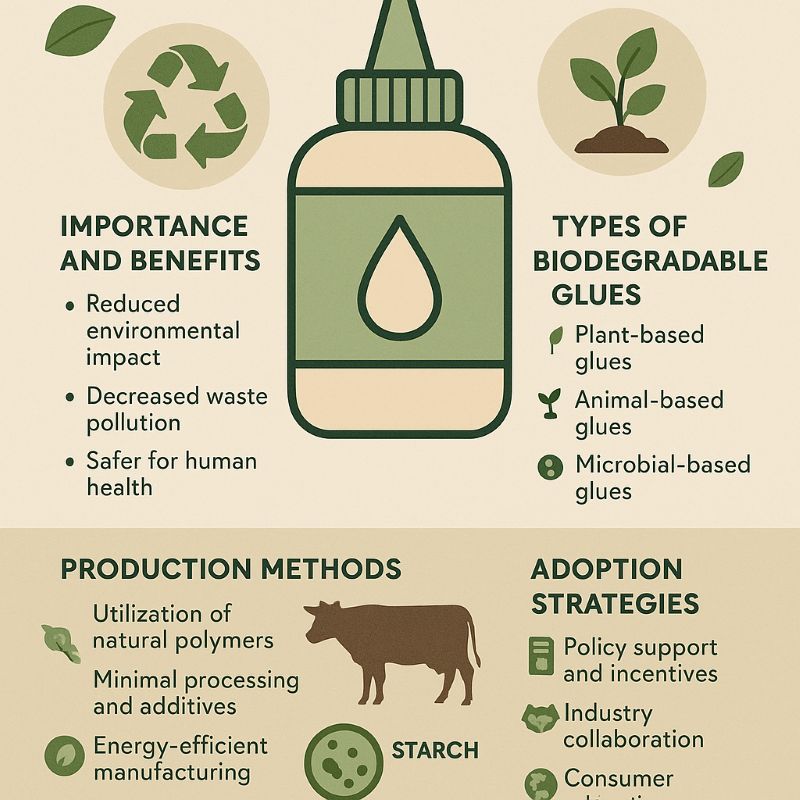
The hotmelt adhesive market is continuously evolving, driven by demands for sustainability and higher performance. As of 2026, the most significant trend is the rise of bio-based hotmelts, which are derived from renewable resources and offer a reduced carbon footprint. Another major development is the increasing adoption of reactive hotmelts, like Polyurethane (PUR), which cure with ambient moisture to form exceptionally strong, permanent bonds resistant to chemicals and temperature extremes. Looking ahead, we expect continued growth in demand from the e-commerce packaging and electric vehicle manufacturing sectors, pushing innovation toward adhesives with better thermal stability and recyclability.
To stay ahead, focus on sourcing hotmelts with improved thermal stability and low-char properties. These advanced formulations reduce equipment maintenance by minimizing nozzle clogs and ensure a more consistent, clean application, which is crucial for automated production lines in 2026 and beyond.