


Table of Contents
- What Is Hot Melt Adhesive?
- 2026 Melting Point Ranges for Major Adhesives
- Melting Point Differences by Application (Low/Standard/High Temp)
- Melting Point vs. Application Temperature: Why the Distinction is Critical
- Manufacturer's Melting Point Measurement Methods (Ring & Ball, etc.)
- Practical Checklist for Selecting Adhesives
In the world of manufacturing and packaging, seemingly minor details can have a major impact on efficiency and product integrity. Consider this: industry reports from 2026 suggest that a significant portion of production line downtimes are linked to adhesive-related issues, many of which stem from a fundamental misunderstanding of temperature settings. The term "melting point" for a hotmelt adhesive is often treated as a simple, fixed number, but this misconception can lead to bond failure, equipment damage, and costly delays. The reality is far more nuanced. The journey of a hot melt adhesive from a solid pellet to a reliable bond is governed by a range of temperatures, not a single point. This guide will demystify this critical parameter, providing the clarity needed to optimize your processes and select the perfect adhesive for any application.
What Is Hot Melt Adhesive? 🧪
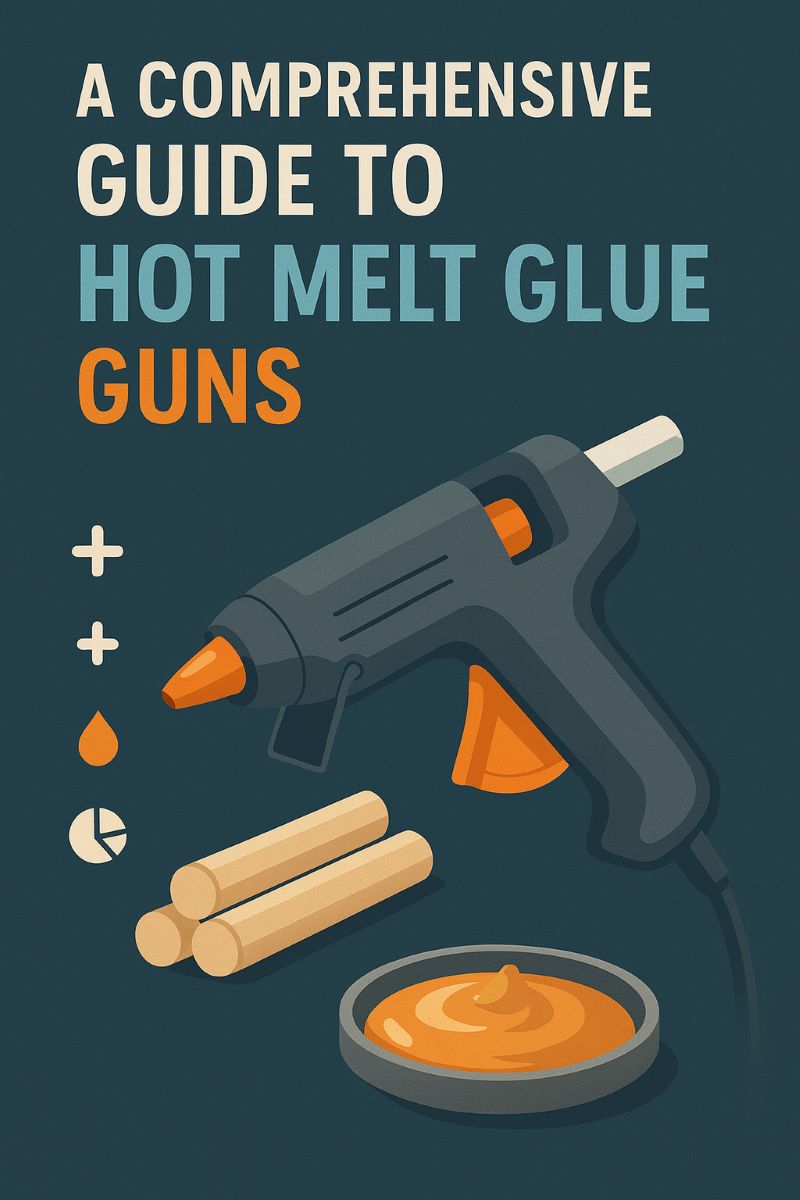
A hot melt adhesive, often referred to as HMA or hot glue, is a type of thermoplastic adhesive. Unlike solvent-based adhesives that cure through evaporation or chemical reaction, hot melts are 100% solid materials at room temperature. They are applied in a molten state and form a bond simply by cooling and solidifying. This process is incredibly fast, making them a top choice for high-speed automated production lines in industries like packaging, woodworking, bookbinding, and product assembly.
The magic of a hotmelt adhesive lies in its formulation. It's not a single chemical but a carefully balanced blend of several components:
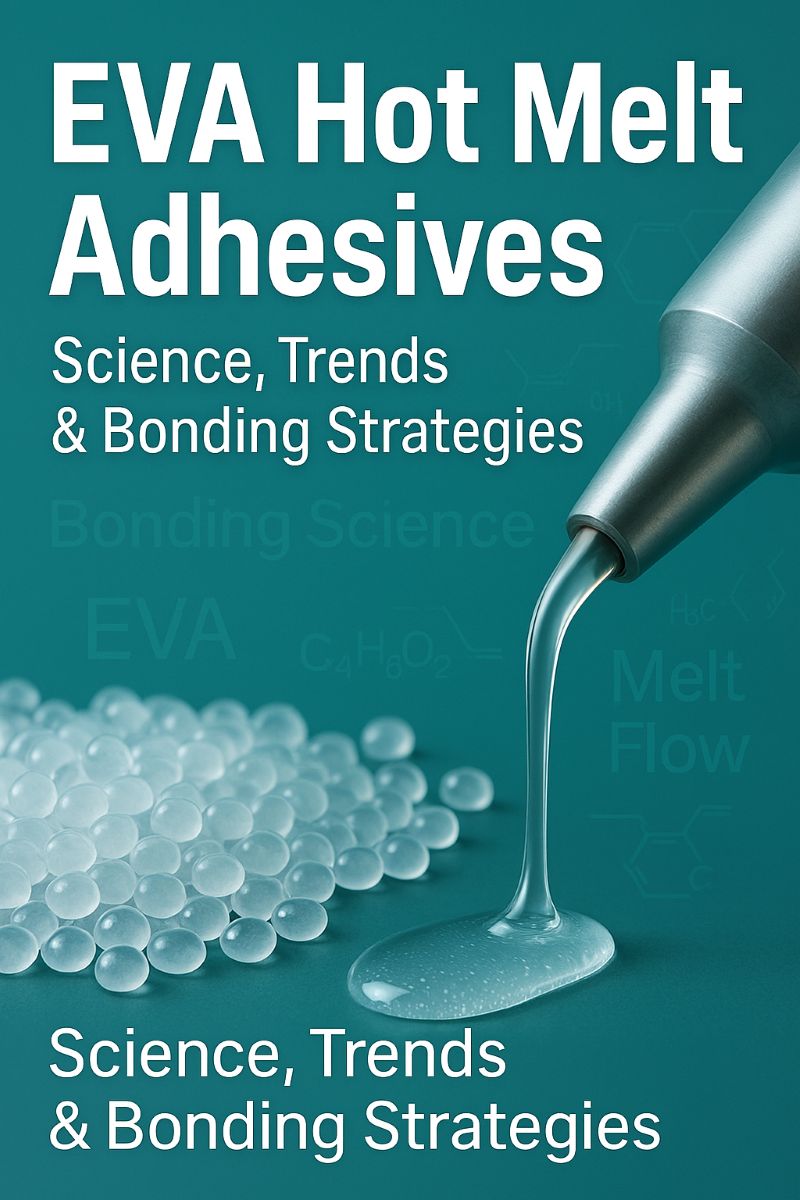
- Base Polymer: This is the backbone of the adhesive, providing its core strength, flexibility, and thermal stability. Common polymers include Ethylene-vinyl acetate (EVA), polyamides, polyesters, and polyolefins. The choice of polymer is the primary determinant of the adhesive's properties, including its melting characteristics.
- Tackifying Resins: These are added to increase the initial "stickiness" or tack of the adhesive, ensuring it grabs onto the substrate immediately upon application.
- Waxes: Waxes are used to modify the adhesive's viscosity (its flow characteristics) when molten and to control its "open time" (the window during which a bond can be formed).
- Antioxidants & Stabilizers: These additives protect the adhesive from degrading under the high heat of the application process, ensuring consistent performance over time.
Because of this complex composition, a hot-melt adhesive doesn't have a sharp, singular melting point like a pure crystalline solid. Instead, it softens gradually over a temperature range as its different components transition from solid to liquid. Understanding this fundamental principle is the first step toward mastering its use.
💡KeyPoint
- Hotmelt Adhesive (HMA): A 100% solid, thermoplastic adhesive that is applied molten and bonds upon cooling.
- Key Components: A blend of a base polymer (for strength), tackifying resins (for stickiness), and waxes (for viscosity control).
- No Single Melting Point: Due to its complex formulation, it softens over a temperature range rather than melting at a specific degree.
2026 Melting Point Ranges for Major Adhesives 🌡️
The term "melting point" in the context of hot melt adhesives is more accurately described as a "softening point"—the temperature at which the solid adhesive begins to lose its structural integrity and flow. As established, this value is not universal; it varies significantly based on the base polymer and specific formulation. For professionals in 2026, knowing these ranges is crucial for initial product screening and process setup. Below is a breakdown of the typical softening point ranges for the most common types of hotmelt adhesive formulations used in industrial and commercial applications. It's important to remember these are general guidelines; always consult the manufacturer's Technical Data Sheet (TDS) for precise specifications for any given product.
| Adhesive Base Polymer | Typical Softening Point Range (°C) | Key Characteristics |
|---|---|---|
| EVA (Ethylene-vinyl acetate) | 70°C – 120°C | Most common, versatile, cost-effective. Good for packaging and general assembly. |
| Polyolefin (APAO/metallocene) | 80°C – 160°C | Excellent thermal stability, long open time, good adhesion to plastics like PP/PE. |
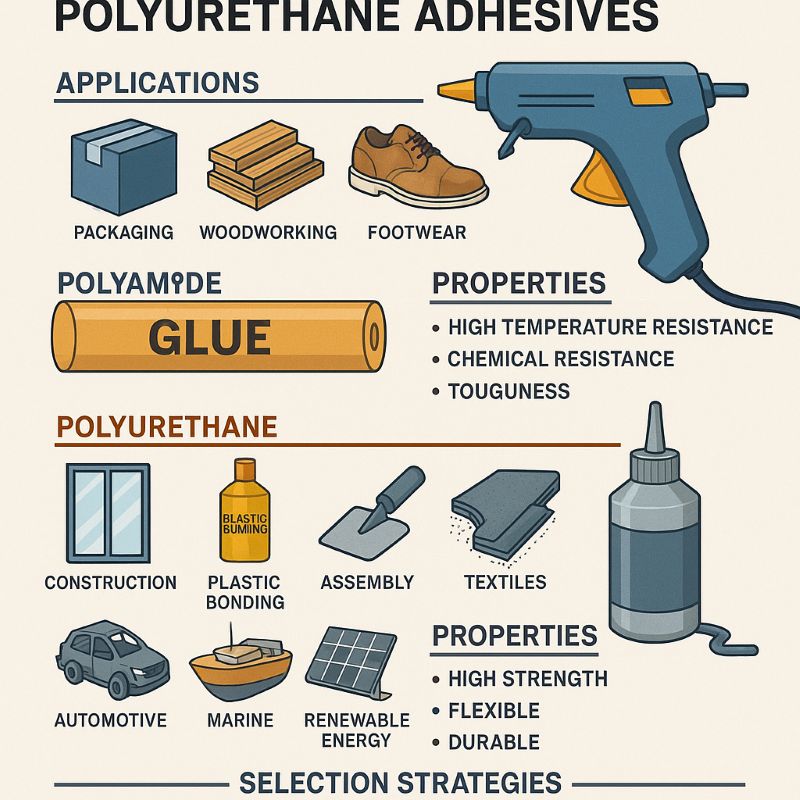
| Polyamide | 150°C – 220°C | High heat resistance, excellent chemical resistance, strong bonds. Used in electronics and automotive. |
| Polyester | 160°C – 200°C | High-performance, good adhesion to difficult substrates, high thermal and chemical resistance. |
| PUR (Polyurethane Reactive) | 90°C – 130°C (Initial) | Applied like a standard hot melt, but cures with moisture for superior strength and durability. |
As the table illustrates, the spectrum is incredibly broad, spanning from low-temperature formulations suitable for delicate substrates to high-performance adhesives designed to withstand extreme environments. For instance, a standard EVA-based glue stick for a craft project might soften around 80°C, whereas a polyamide-based hot melt used to secure components in an automotive engine bay must maintain its integrity at temperatures well over 150°C. This diversity is a key strength of hotmelt adhesive technology, allowing for tailored solutions across countless applications.
Melting Point Differences by Application (Low/Standard/High Temp) 🏭
Beyond the base polymer chemistry, hotmelt adhesive products are often categorized by their intended application temperature. This practical classification helps end-users quickly identify suitable products for their specific equipment and substrate needs. In 2026, manufacturers typically group their adhesives into three main categories: low, standard, and high temperature. Each category is designed for different operational requirements, balancing factors like substrate heat sensitivity, operator safety, and final bond performance.
Low-Temperature Hot Melts
These adhesives typically have a softening point around 80–120°C and are applied at temperatures between 120°C and 150°C. They are the ideal choice for bonding heat-sensitive materials that could warp, melt, or discolor at higher temperatures.
- Common Substrates: Foams, thin plastics, fabrics, and temperature-sensitive electronics.
- Advantages: Increased operator safety due to lower application temperatures and reduced energy consumption. They are also excellent for applications requiring fast set times on delicate materials.
Standard-Temperature Hot Melts
This is the most widely used category, dominated by versatile EVA-based formulations. With softening points in the 120–180°C range, they are applied at temperatures of 160°C to 190°C. They offer a robust balance of cost, performance, and versatility.
- Common Substrates: Cardboard, paperboard, wood, and general product assembly.
- Advantages: This is the workhorse of the packaging industry, providing strong, reliable bonds for case and carton sealing at high speeds. They offer a good combination of open time and set speed for most automated processes.
High-Performance / High-Temperature Hot Melts
These specialist adhesives, often based on polyamide or polyester polymers, have softening points exceeding 180°C and can be applied at temperatures up to 220°C or higher. They are engineered for demanding applications where the final bond must withstand significant heat and stress.
- Common Substrates: Metals, ceramics, durable plastics, and automotive components.
- Advantages: They provide superior thermal stability, high bond strength, and excellent resistance to chemicals and environmental factors.
When selecting an adhesive, always consider the thermal limits of your weakest substrate. Applying a standard-temperature adhesive to a delicate foam will cause damage. Conversely, using a low-temperature adhesive in a high-heat environment will result in bond failure. The application dictates the adhesive choice.
Melting Point vs. Application Temperature: Why the Distinction is Critical ⚙️
One of the most common and critical mistakes made when working with hotmelt adhesive is confusing the "melting point" (or softening point) with the "application temperature." While related, these two values are distinct and serve different purposes. Failing to understand this difference can lead to poor adhesion, equipment clogs, and inconsistent results. This distinction is not just academic; it is a cornerstone of successful industrial bonding.
Melting Point (Softening Point)
As previously discussed, this is the temperature range where the solid adhesive transitions into a soft, pliable state. It is a physical property of the adhesive itself, listed on the Technical Data Sheet (TDS). However, at its softening point, the adhesive is typically too thick and viscous to be properly applied or to adequately "wet out" a substrate. "Wetting out" is the process where a liquid adhesive spreads over a surface to create maximum contact area, which is essential for a strong bond.
Application Temperature (Operating Temperature)
This is the temperature at which the adhesive must be held in the melt tank and dispensed from the nozzle to achieve the correct viscosity for application. The application temperature is always significantly higher than the melting point. This higher temperature is necessary to lower the adhesive's viscosity to an optimal level, allowing it to flow smoothly through the equipment and properly wet the substrate surface before it cools. For example, an EVA adhesive with a softening point of 85°C might require an application temperature of 170°C to 180°C.
Why the Difference Matters
- Too Low: If the application temperature is set too close to the melting point, the adhesive will be too viscous. This results in poor flow, weak bonds (due to inadequate wetting), and potential stringing or "angel hair." It can also put a strain on application equipment pumps.
- Too High: Overheating the adhesive well above its recommended application temperature can cause it to degrade. This process, known as charring, breaks down the polymer chains, drastically reducing the adhesive's performance and creating hard, carbonized particles that can clog nozzles and filters, leading to costly downtime.
Therefore, the application temperature is the most important operational parameter to control for consistent, high-quality bonding.
Manufacturer's Melting Point Measurement Methods (Ring & Ball, etc.) 🔬
When you see a "softening point" value on a Technical Data Sheet, it isn't an arbitrary number. It's a standardized measurement derived from specific laboratory tests. Understanding how manufacturers arrive at this figure provides insight into the adhesive's behavior and ensures consistency across different batches and suppliers. The most widely used method in the hotmelt adhesive industry is the ASTM E28 standard, commonly known as the Ring and Ball method.
The Ring and Ball test provides a simple yet effective way to determine the temperature at which a thermoplastic material softens. Here’s a simplified overview of the process:
- Preparation: A sample of the solid adhesive is melted and poured into two standardized brass rings.
- Cooling: The samples are allowed to cool and solidify, creating a disc of adhesive in each ring.
- Assembly: The rings are suspended in a liquid bath (like glycerin or water). A steel ball of a specific weight is placed on the center of each adhesive disc.
- Heating: The bath is heated at a controlled, constant rate (e.g., 5°C per minute).
- Measurement: As the adhesive softens, it can no longer support the weight of the ball, which begins to fall. The softening point is recorded as the temperature at which the adhesive has sagged a specified distance (typically 1 inch) under the weight of the ball.
While the Ring and Ball method is the industry standard for hotmelt adhesive products, other methods like the Mettler Softening Point (ASTM D6090) are also used, which offer automated precision. The key takeaway is that the softening point is a replicable, standardized value. This allows for reliable quality control during manufacturing and gives end-users a consistent benchmark for comparing different products. It represents the start of the transition from solid to liquid, providing a crucial data point for engineers and technicians when defining the full operational temperature window.
💡Key Point
- Standardized Testing: The "softening point" on a data sheet is a measured value, not an estimate.
- Ring & Ball Method (ASTM E28): The most common industry standard for testing hot melt adhesives.
- Process: It measures the temperature at which a steel ball, placed on a disc of the adhesive, falls a specified distance as the adhesive is heated at a controlled rate.
- Importance: This standardization ensures quality control and provides a reliable benchmark for comparing products.
Practical Checklist for Selecting Adhesives ✅
Choosing the right hotmelt adhesive involves more than just looking at the melting point. A successful application requires a holistic evaluation of the substrate, the production environment, and the performance requirements of the final product. To ensure you make the optimal choice, use the following checklist as a practical guide during your selection process for any project in 2026. This systematic approach helps prevent costly errors and ensures a reliable, high-quality bond every time.
| Checklist Item | Key Question to Ask | Why It Matters |
|---|---|---|
| Substrates | What materials am I bonding? (e.g., porous cardboard, non-porous plastic, metal) | Different adhesives are formulated for different surfaces. Adhesion to a difficult surface like coated paper or polypropylene requires a specialized formulation. |
| Application Temperature | What are the temperature capabilities of my equipment and the heat sensitivity of my materials? | This determines whether you need a low, standard, or high-temperature adhesive to avoid damaging the substrate or exceeding equipment limits. |
| Open Time / Set Speed | How much time do I have between applying the adhesive and joining the parts? How quickly must the bond be set? | A long open time is needed for manual assembly, while a fast set speed is critical for high-speed automated packaging lines to prevent pop-opens. |
| End-Use Environment | Will the final product be exposed to extreme heat, cold, moisture, or chemicals? | The adhesive must be able to withstand the conditions it will face throughout its lifecycle. A polyamide may be needed for heat resistance, while a PUR may be needed for moisture. |
| Viscosity | What is the ideal flow characteristic for my application method (e.g., spray, bead, extrusion)? | The adhesive's viscosity at the application temperature must match the requirements of your dispensing equipment to ensure clean, consistent application without stringing or clogging. |
By methodically working through these questions, you move beyond a single data point like the melting point and make an informed decision based on the complete picture of your application needs. Always partner with a reputable adhesive supplier who can provide technical support and help you navigate these variables to find the perfect hot-melt adhesive for your specific requirements.