


Table of Contents
- The Science of Hot Melt: A Thermal Bond
- The Core Ingredients: A Powerful Trio
- Hot Melt vs. Traditional Glue: Key Differences
- Applications in 2026: From Industry to Home
- The Future of Adhesion: Emerging Hot Melt Trends
Ever wondered how the spine of a book is held together or how a cardboard box is sealed so securely? The secret often lies in a remarkable material: hot melt adhesive. Unlike traditional glues that dry, this material undergoes a simple physical change—it melts when heated and solidifies upon cooling. In 2026, understanding this powerful mechanism is crucial for professionals in manufacturing and packaging, as well as for everyday hobbyists seeking a reliable, fast-acting bond.
The Science of Hot Melt: A Thermal Bond 🧪
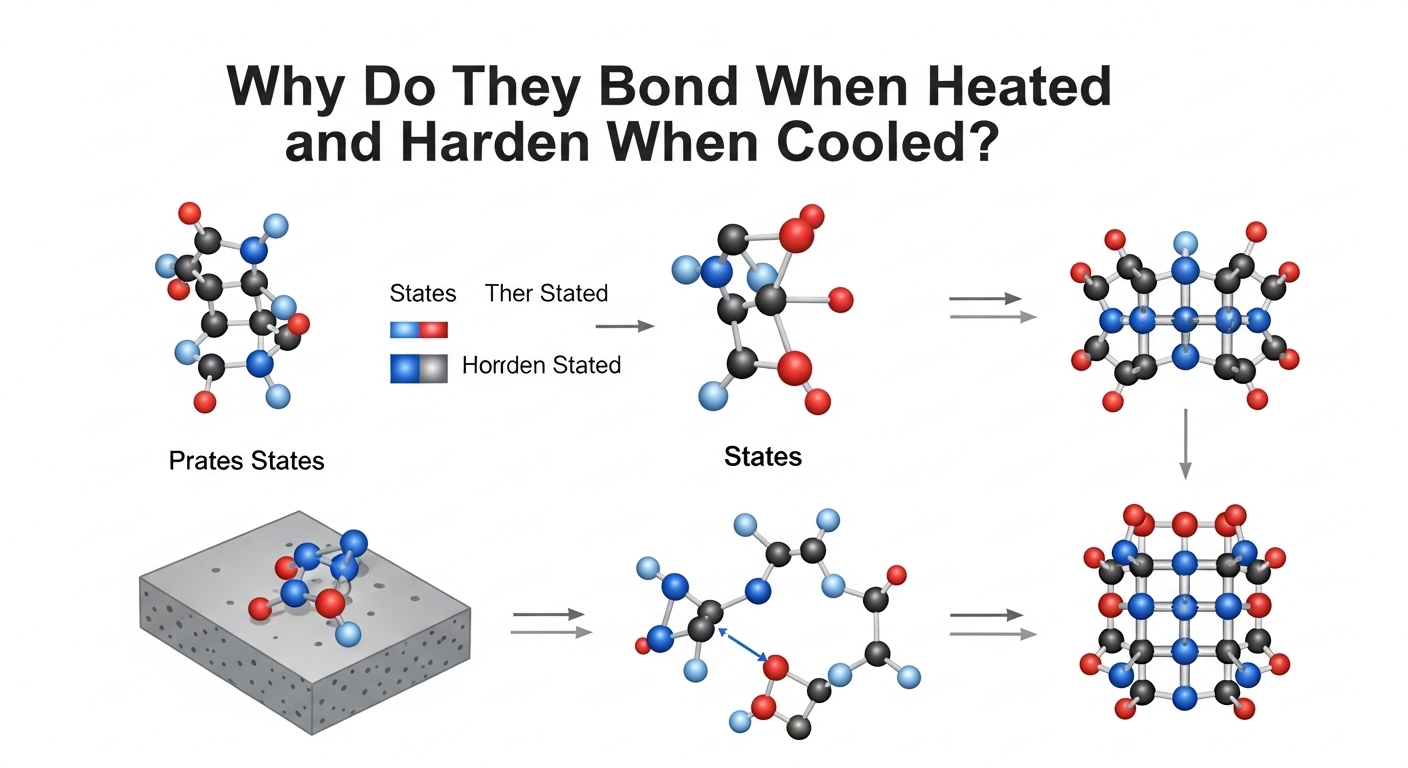
The fundamental principle behind hotmelt adhesive is its thermoplastic nature. This means it is a 100% solid material that becomes liquid when heated and returns to a solid state as it cools. This process is a physical transformation, not a chemical one. Unlike water-based or solvent-based adhesives that require evaporation to "cure" or "dry," hot melt simply hardens. This rapid solidification is what allows for incredibly fast bonding speeds, making it a cornerstone of modern, high-volume production lines. The strength of the bond is achieved almost instantaneously once the adhesive cools below its melting point.
💡Key Point
- Hot melt adhesive is a thermoplastic material that works through a physical change (melting and solidifying).
- It is 100% solid and contains no water or solvents, eliminating the need for a drying or curing period.
- The bond is formed rapidly as the adhesive cools, enabling high-speed applications.
The Core Ingredients: A Powerful Trio 🔬
The performance of any hot melt adhesive depends on a carefully balanced blend of three primary components. Each ingredient plays a distinct and vital role in creating the final product's properties, from its stickiness to its application temperature. Understanding this trio is key to grasping how hot melt achieves its strong and versatile bond. The synergy between these materials allows for customization for countless applications.
| Component | Primary Role | Common Example |
|---|---|---|
| Polymer | Provides the structural backbone, strength, and heat resistance. | Ethylene Vinyl Acetate (EVA) |
| Tackifier (Resin) | Increases the "stickiness" or tackiness of the adhesive. | Rosin Esters, Hydrocarbon Resins |
| Wax / Oil | Reduces viscosity (thins the glue) for easier application. | Paraffin Wax, Microcrystalline Wax |
Hot Melt vs. Traditional Glue: Key Differences ⚖️
The main distinction between hot-melt glue and traditional adhesives lies in their bonding mechanism. While conventional glues rely on the slow evaporation of a carrier like water or a solvent to harden, hot melt provides an almost instant bond through cooling. This fundamental difference leads to significant advantages in speed, safety, and application versatility, particularly in industrial settings where efficiency is paramount.
| Feature | Hot Melt Adhesive | Solvent/Water-Based Adhesive |
|---|---|---|
| Bonding Mechanism | Thermal (Cooling) | Evaporation (Drying/Curing) |
| Set Time | Seconds | Minutes to Hours |
| VOCs (Volatiles) | None | Present (Solvents) |
| Gap Filling | Excellent | Poor to Moderate |
Applications in 2026: From Industry to Home 📦
The versatility of hotmelt adhesive makes it indispensable across numerous sectors in 2026. In high-speed packaging, it is used to seal cartons and cases securely. In bookbinding, it provides a strong yet flexible hold for spines. The furniture and woodworking industries rely on it for edge banding and assembly. Even in electronics, specialized hot melts are used to secure components and protect them from vibration. At home, it remains a favorite for crafts, repairs, and DIY projects due to its ease of use and quick results.
For crafting or home repair, ensure the surfaces to be bonded are clean and dry. Apply the hot melt and join the parts quickly while the adhesive is still molten to achieve the strongest possible bond.
The Future of Adhesion: Emerging Hot Melt Trends 🚀
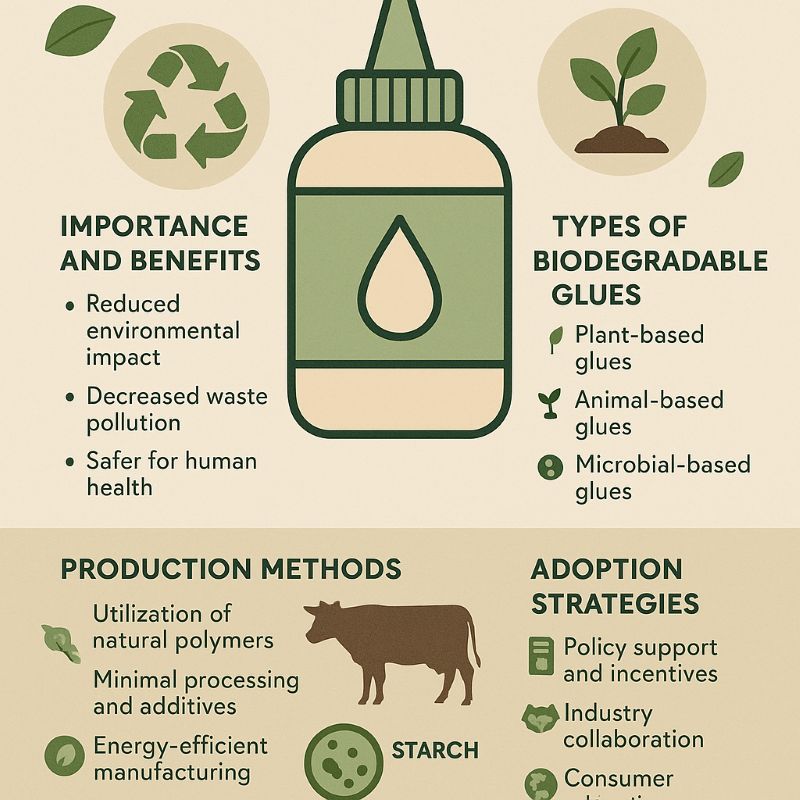
As we look forward in 2026, the hot melt adhesive industry continues to innovate. A major trend is the development of bio-based hot melts derived from renewable resources, reducing environmental impact. Another area of focus is creating formulations with higher heat resistance and greater flexibility for demanding applications in the automotive and electronics industries. Advances in polymer science are also leading to adhesives with lower application temperatures, which saves energy and enhances worker safety. These innovations ensure that hot melt remains a cutting-edge bonding solution.
When selecting a hot melt for an industrial application, always consider the service temperature range of the final product. Choosing an adhesive with appropriate heat and cold resistance is critical for long-term bond durability.