


Table of Contents
- The Science of Thermoplastics in Hot Melt Adhesives
- Hot Melt vs. Thermosetting Adhesives: A Key Distinction
- Deconstructing Hot Melt: Key Components and Their Roles
- The Future of Adhesion: 2026 Trends in Thermoplastic Technology
Have you ever wondered how a cardboard box withstands shipping or how the spine of a book holds its pages together so reliably? The unsung hero in these applications is often a hot melt adhesive. This powerful bonding agent's effectiveness stems from a simple yet brilliant scientific principle: the reversible nature of thermoplastic materials. Understanding this core concept is key to unlocking its vast potential across countless industries.
The Science of Thermoplastics in Hot Melt Adhesives 🧪
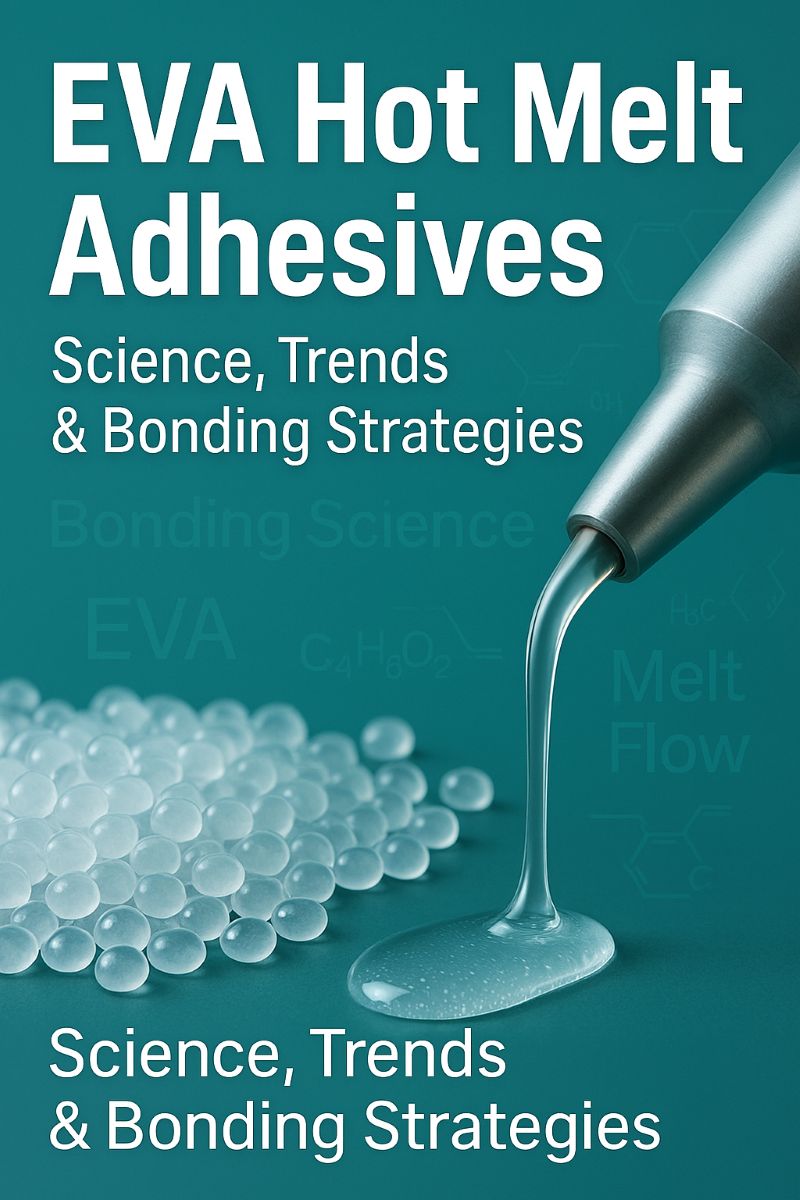
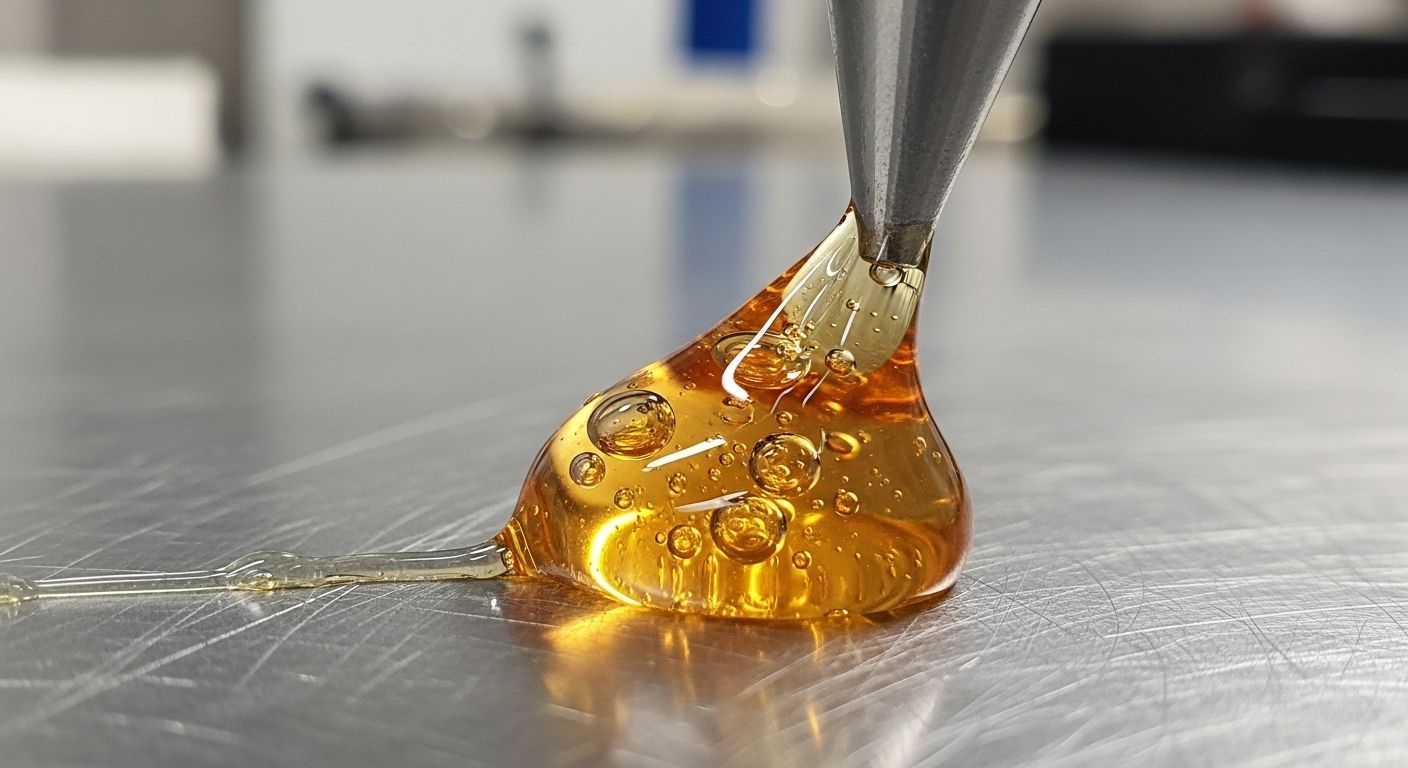
At its core, a hot melt adhesive, often called hot glue, is a 100% solid, thermoplastic material. This means it contains no solvents or water that need to evaporate. Its magic lies in a simple physical cycle: it melts into a liquid when heated and solidifies back into a strong solid as it cools. This rapid phase change allows for almost instantaneous bonding, a critical advantage in high-speed manufacturing and assembly lines. Unlike materials that undergo a permanent chemical change, thermoplastics can theoretically be re-melted and re-solidified, making the bonding process efficient and predictable. This fundamental property is what defines hot melt adhesives and separates them from other adhesive types.
💡Key Point
- Thermoplastic Principle: Hot melt adhesives operate on a physical cycle of melting when heated and solidifying upon cooling.
- 100% Solid Formulation: They contain no solvents or water, leading to zero shrinkage and fast setting times.
- Reversible Process: The melting and cooling process is physically reversible, unlike chemical curing.
Hot Melt vs. Thermosetting Adhesives: A Key Distinction ⚖️
While both are powerful adhesives, hot melt (thermoplastic) and thermosetting adhesives operate on fundamentally different principles. The primary distinction lies in their reaction to heat. Thermoplastic adhesives soften when heated and harden when cooled in a repeatable physical process. In contrast, thermosetting adhesives undergo an irreversible chemical reaction (curing) when heated, forming a permanent, cross-linked structure that cannot be re-melted. This difference dictates their ideal applications, strengths, and limitations.
| Feature | Thermoplastic (Hot Melt) | Thermosetting Adhesive |
|---|---|---|
| Curing Process | Physical change (reversible) | Chemical reaction (irreversible) |
| Set Time | Very fast (seconds) | Slower (minutes to hours) |
| Heat Resistance | Generally lower; can re-melt | High; maintains structure at high temps |
| Application | High-speed assembly, packaging | Structural, high-stress applications |
Deconstructing Hot Melt: Key Components and Their Roles 🧩
A common misconception is that hot melt adhesive is a single substance. In reality, it is a sophisticated formulation of several components, each playing a specific role. The performance characteristics—such as flexibility, bond strength, and open time—are precisely engineered by blending these ingredients. The base polymer acts as the backbone, providing the core strength and structural integrity. Other additives are then mixed in to fine-tune the adhesive for its intended purpose, from bookbinding to automotive assembly. Understanding this "recipe" is crucial for selecting the right product for a specific industrial challenge.
When selecting a hotmelt adhesive, don't just consider the materials you are bonding. Also, analyze the application's environmental conditions, such as temperature and humidity, as these factors significantly impact the performance of different formulations.
The Future of Adhesion: 2026 Trends in Thermoplastic Technology 🚀
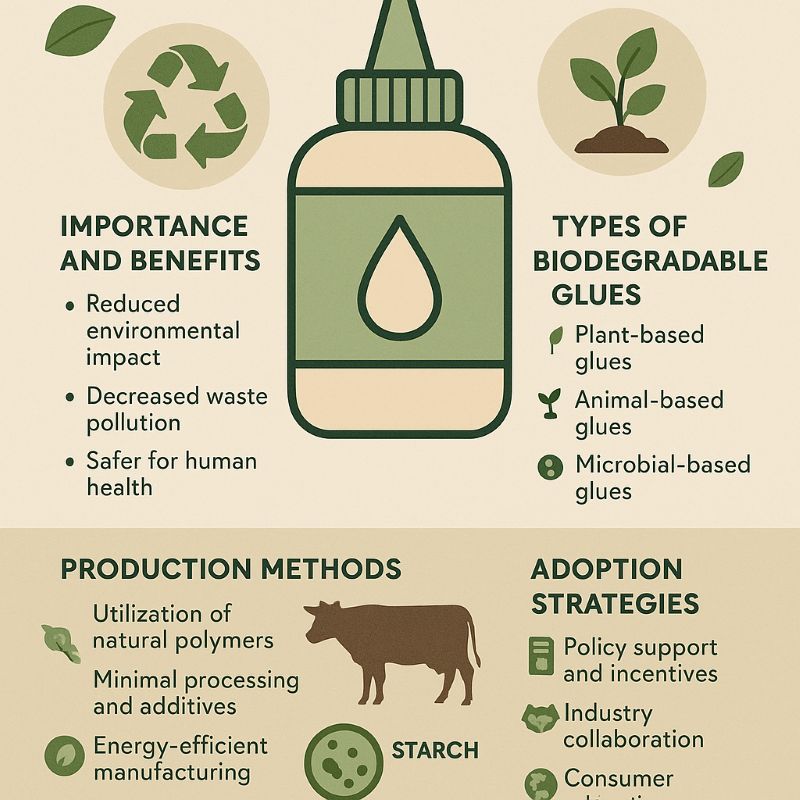
The world of thermoplastic adhesives is constantly evolving. As of 2026, the industry is witnessing a significant push towards sustainability and high-performance materials. Key trends include the development of bio-based hot melts derived from renewable resources, which reduce environmental impact without compromising performance. Furthermore, advancements in polymer science are leading to new formulations with superior thermal stability and stronger adhesion to challenging substrates. These innovations are expanding the application of hot glue into demanding sectors like electronics and aerospace, proving that this versatile technology has a bright and dynamic future.
| Component | Primary Function | Common Examples |
|---|---|---|
| Base Polymer | Provides strength and cohesion | EVA, Polyolefins, Polyamides |
| Tackifier | Increases initial stickiness (tack) | Hydrocarbon resins, Rosin esters |
| Wax / Plasticizer | Controls viscosity and flexibility | Paraffin wax, Phthalates |
💡Key Point
Key Takeaways
- Hot melt adhesives are complex formulations based on thermoplastic polymers.
- The specific blend of components determines the adhesive's final properties and suitability for an application.
- Understanding the role of each ingredient is essential for making an informed choice in an industrial setting.