Understanding Hot Melt Glue
Types of Hot Melt Glue
Importance in Crafting
DIY Applications of Hot Glue
Techniques for Best Results
Latest Trends in Hot Glue Use
Strategies for Effective Crafting
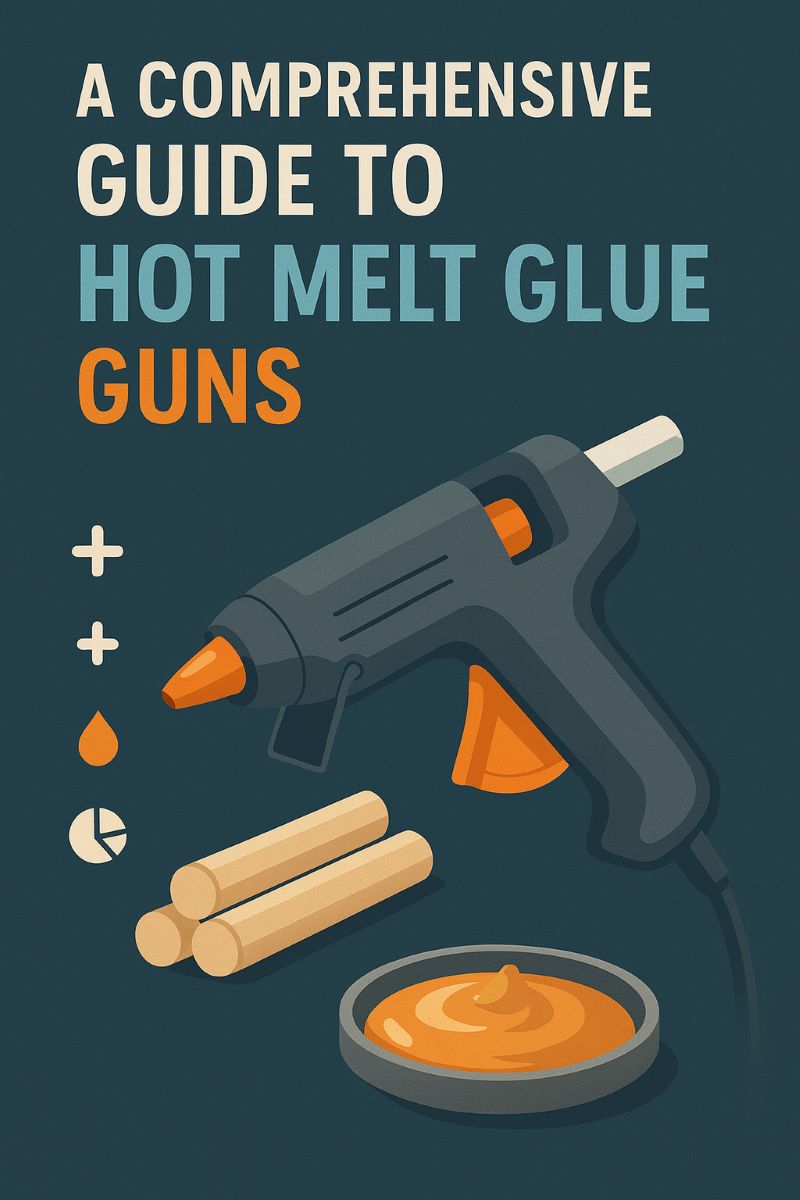
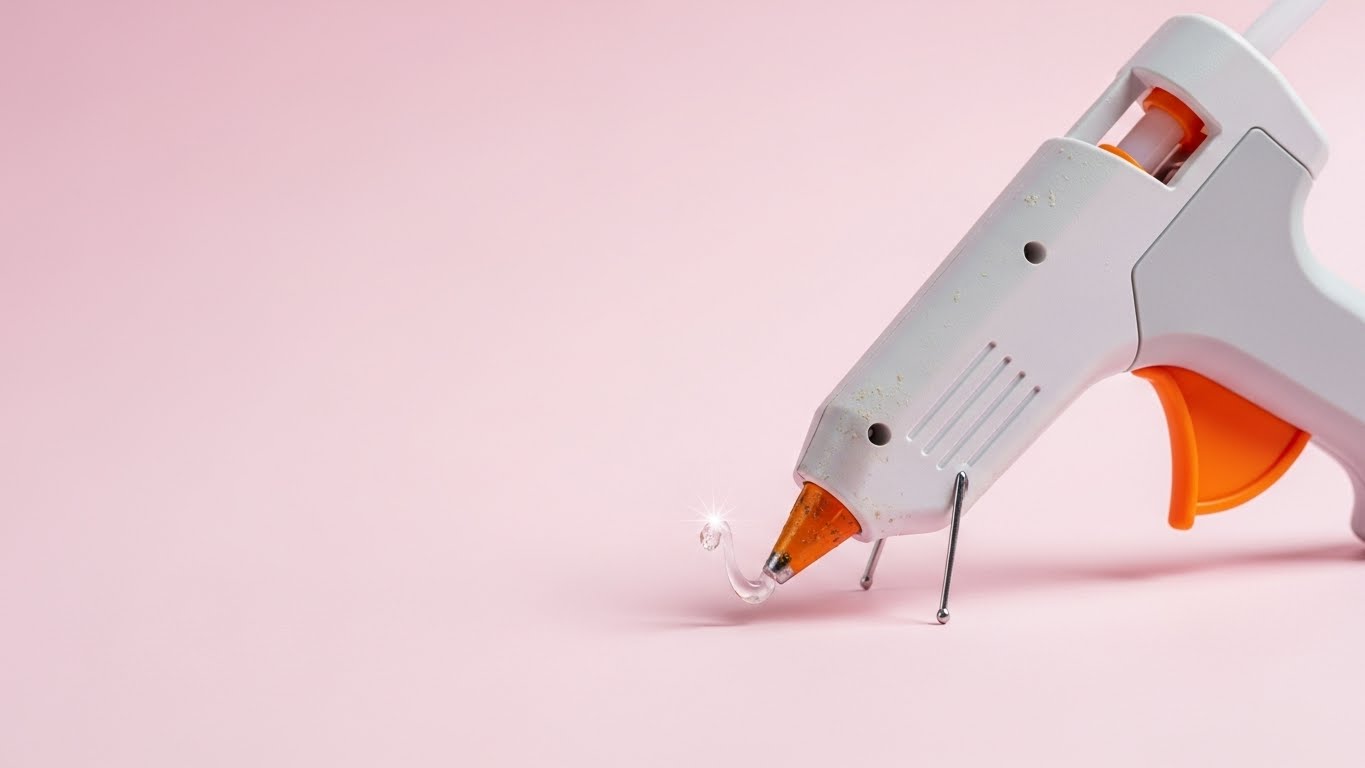
Hot melt glue is widely used in crafting and DIY projects due to its versatility and ease of application. This type of adhesive is applied in a molten state and solidifies quickly as it cools, creating a fast and reliable bond. Its short setting time makes it suitable for projects that require rapid assembly, while its compatibility with materials such as fabric, wood, paper, and certain plastics allows for broad creative use. Rather than relying on specific commercial tools or brands, understanding the basic working principles of hot melt glue enables crafters to select appropriate equipment and materials based on project requirements.
Hot melt glue can be classified into several types according to its base polymer and performance characteristics.
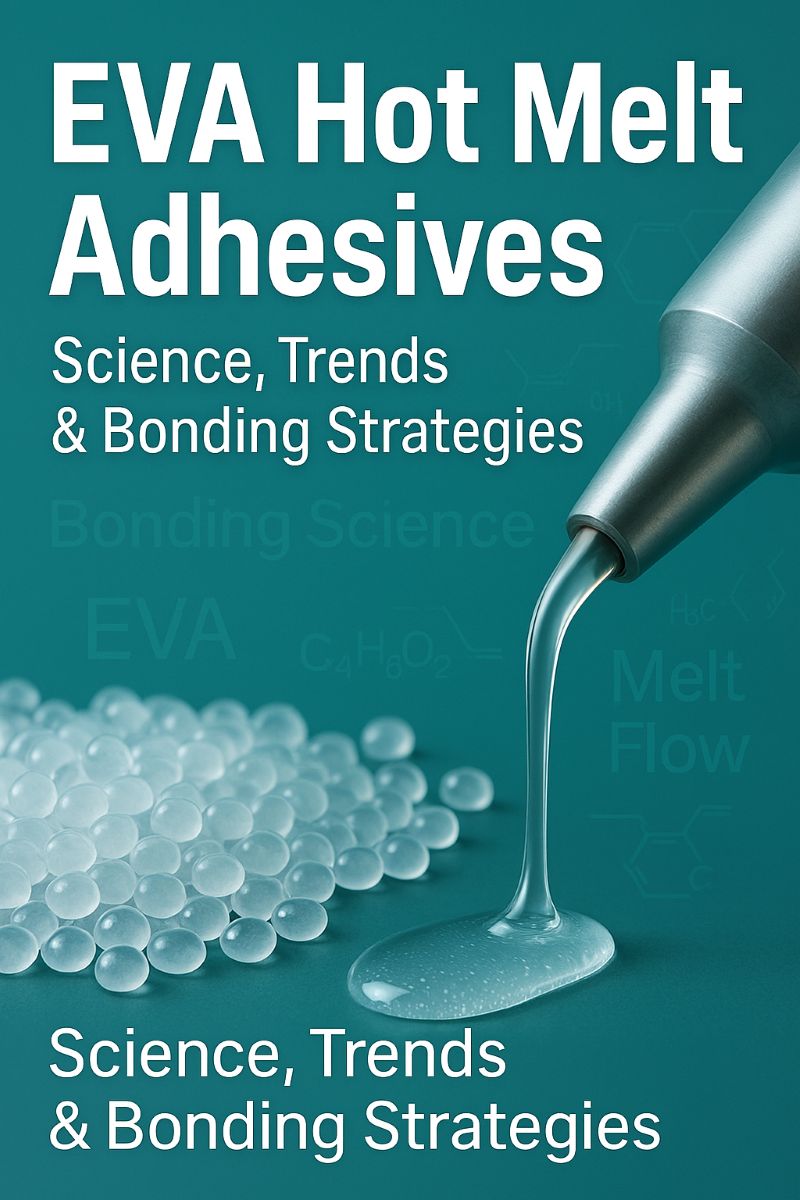
Ethylene-vinyl acetate (EVA) hot melt adhesives are commonly used in crafting due to their affordability and general-purpose bonding capability across many materials.
Polyolefin-based hot melts offer improved flexibility and stronger bonding performance, making them suitable for applications requiring durability.
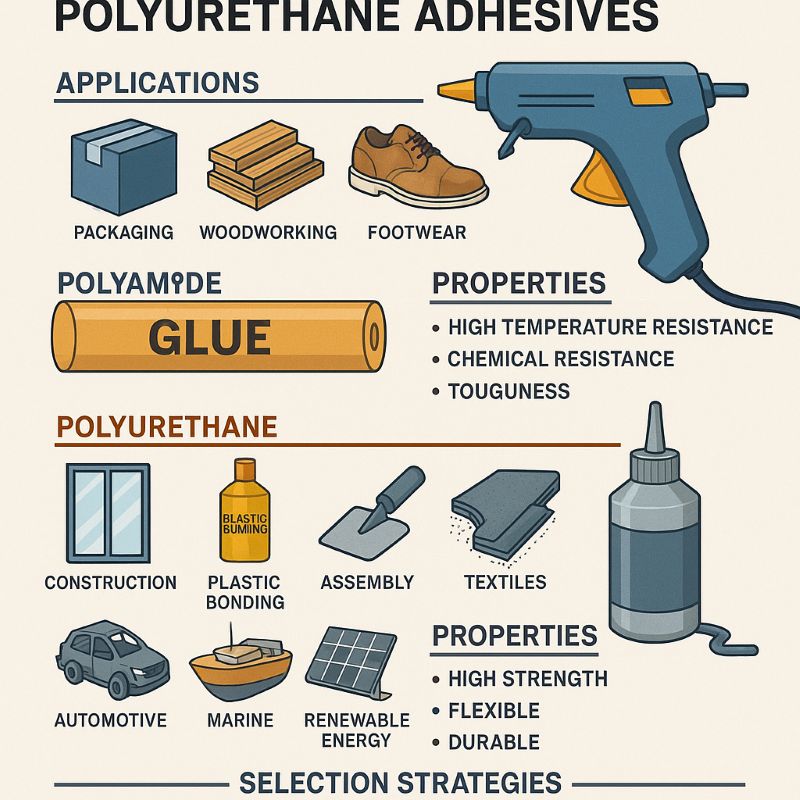
Polyurethane-based hot melt adhesives provide enhanced strength and moisture resistance, which can be beneficial for projects exposed to varying environmental conditions.
Pressure-sensitive hot melt adhesives remain tacky after cooling, allowing for repositioning and temporary bonding.
Understanding these categories helps crafters choose adhesives based on functional needs rather than specific branded products.
In crafting and DIY activities, adhesive selection plays a critical role in both project quality and workflow efficiency. Hot melt glue has become a foundational tool because it offers fast curing, ease of handling, and dependable adhesion across many common crafting materials. Its ability to form bonds quickly reduces waiting time and supports iterative creative processes. By enabling secure attachment without complex preparation or long curing periods, hot melt glue supports both beginners and experienced crafters in producing consistent and reliable results.
Hot melt glue is frequently used across a wide range of DIY applications, from decorative home projects to functional household repairs. Common uses include assembling custom décor items, reinforcing loose components, repairing everyday objects, and creating handcrafted accessories. Its quick setting time allows users to experiment freely without extended delays, making it suitable for both small-scale and larger creative projects. By focusing on application technique and material compatibility rather than specific commercial tools, users can achieve effective results across diverse DIY scenarios.
Achieving optimal results with hot melt glue depends on proper technique rather than equipment branding. Surfaces should be clean and dry before application to ensure proper adhesion. Applying glue evenly and working within the adhesive’s open time helps create consistent bonds. Maintaining appropriate application temperature and avoiding excessive glue buildup improves both appearance and durability. Careful alignment during bonding is essential, as hot melt adhesives set quickly and offer limited repositioning time once applied.
Recent trends in hot melt glue use highlight its expanding role in creative and sustainable crafting practices. One emerging trend is the use of hot melt glue for creating textured and three-dimensional decorative elements, where the adhesive itself becomes part of the design. Another growing practice involves upcycling, where existing household items are transformed into new functional or decorative objects using hot melt adhesives. These trends demonstrate how hot melt glue continues to evolve from a simple bonding tool into a versatile creative medium.
Effective crafting with hot melt glue requires aligning adhesive type, application method, and material choice. Selecting the appropriate hot melt formulation based on flexibility, strength, and environmental exposure improves project longevity. Using controlled application techniques helps minimize waste and enhances finish quality. Planning assembly steps in advance is also important, as the rapid setting nature of hot melt glue leaves little margin for adjustment. These strategies help ensure reliable bonding while supporting efficient and enjoyable crafting workflows.
What is hot melt glue?
Hot melt glue is a thermoplastic adhesive that is applied in a heated, molten state and solidifies upon cooling to create a bond.
What types of hot melt glue are commonly used in crafting?
Common types include EVA-based, polyolefin-based, polyurethane-based, and pressure-sensitive hot melt adhesives.
Why is hot melt glue popular in crafting and DIY projects?
It is popular due to its fast setting time, ease of use, and ability to bond a wide variety of materials.
What are common DIY uses for hot melt glue?
Typical uses include decorative projects, small repairs, assembly of craft items, and reinforcement of lightweight components.
How can I improve bonding results with hot melt glue?
Cleaning surfaces, applying glue evenly, working within the open time, and ensuring proper alignment all improve bonding performance.
What trends are influencing hot melt glue use today?
Trends include textured decorative applications and upcycling projects that emphasize creativity and sustainability.
How do I choose the right hot melt glue for my project?
Selection depends on material type, required flexibility, strength needs, and environmental exposure rather than brand identity.
Can hot melt glue be used on all materials?
While versatile, hot melt glue performs best on compatible materials and may not be suitable for heat-sensitive or non-porous surfaces without proper selection.