Definition of Hot Melt Adhesives
Types of Industrial Adhesives
Importance in Manufacturing
Methods of Application
Latest Trends in Adhesive Tech
Strategies for Effective Use
Future of Hot Melt Adhesives
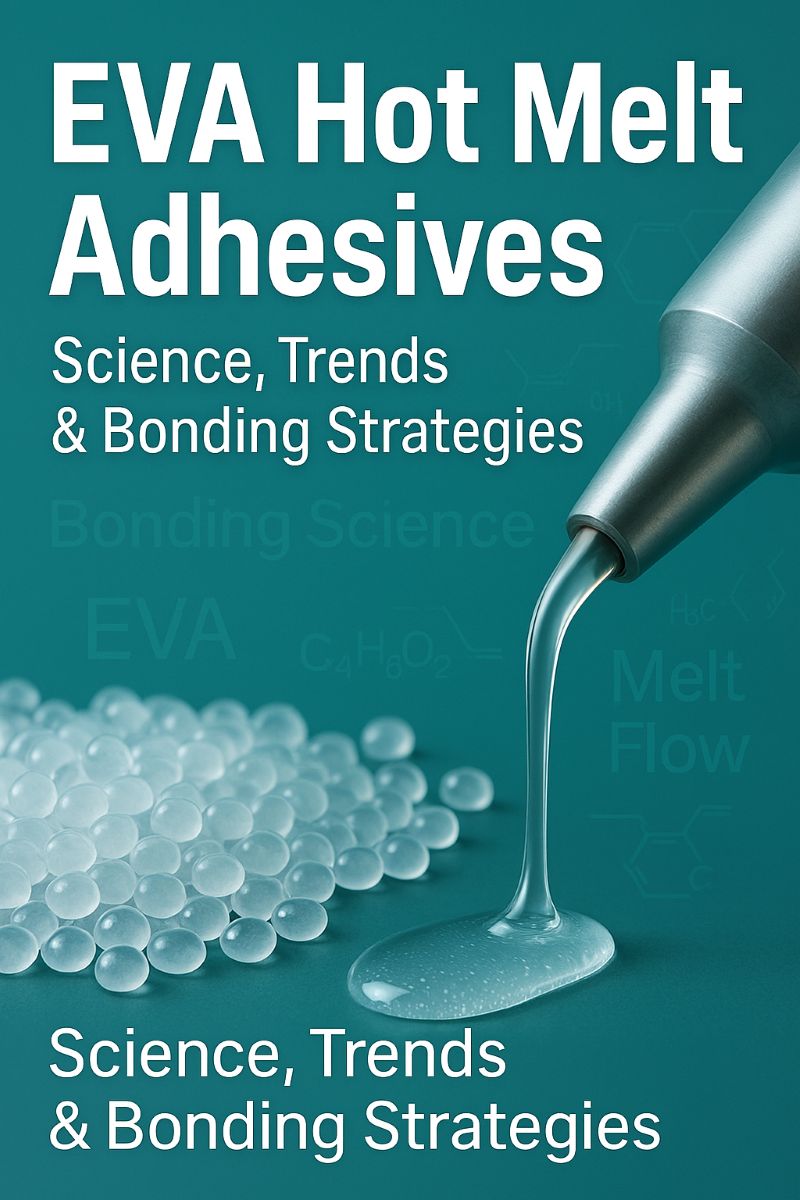
Hot melt adhesives are thermoplastic bonding materials that transition from a solid to a molten state when heated and solidify again upon cooling to form a bond. This physical change allows for rapid adhesion without the need for solvents or extended curing time. Due to their fast setting behavior and controlled application, hot melt adhesives are widely used in industrial environments such as packaging, product assembly, and woodworking. Their ability to minimize material waste while supporting high-speed production makes them an essential component in modern manufacturing processes.
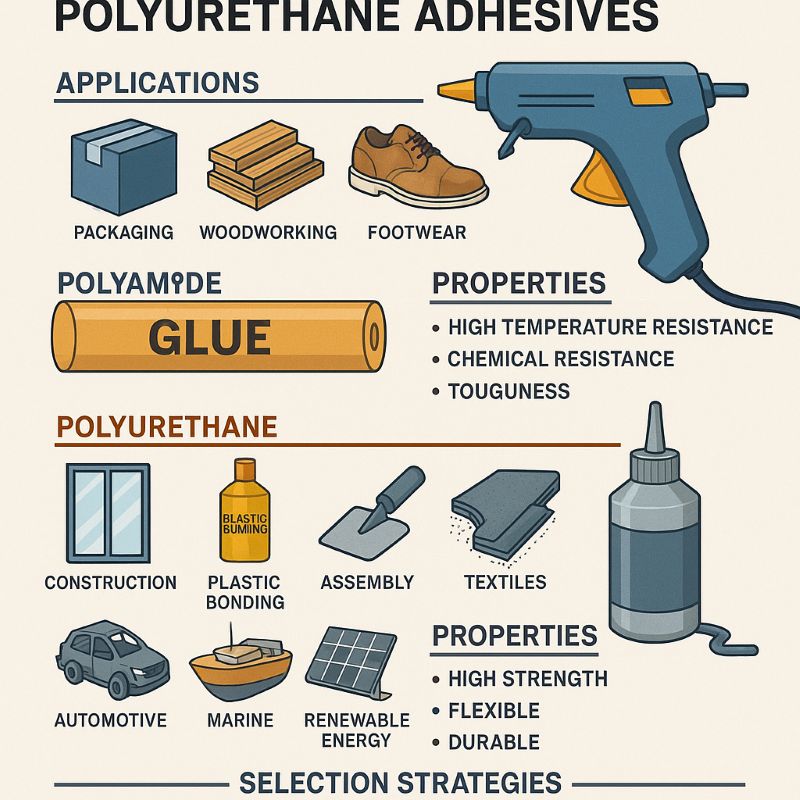
Industrial hot melt adhesives can be classified based on their base polymer and performance characteristics.
Ethylene-vinyl acetate (EVA) hot melt adhesives are commonly used in packaging applications due to their cost efficiency and reliable bonding performance.
Polyolefin-based hot melt adhesives provide enhanced resistance to heat and chemicals, making them suitable for more demanding industrial environments.
Polyamide hot melt adhesives are valued for their high temperature resistance and mechanical strength, which makes them appropriate for woodworking and durable product assembly.
Understanding these categories allows manufacturers to select adhesives based on functional requirements rather than specific commercial product names.
In manufacturing operations, hot melt adhesives play a critical role in improving production efficiency and product consistency. Their rapid solidification supports high-speed assembly lines while ensuring reliable bonding between components. By reducing curing time and eliminating solvent-related processing steps, hot melt adhesives help manufacturers lower waste and streamline workflows. Their consistent performance contributes directly to product quality, making them an integral part of packaging, assembly, and industrial fabrication processes.
Hot melt adhesives can be applied using several methods, each suited to different production scales and precision requirements.
Manual application using handheld dispensing tools is commonly used for small-scale or detail-oriented tasks where accuracy is essential.
Automated dispensing systems are employed in large-scale manufacturing to ensure consistent adhesive placement and uniform bonding.
Spray application enables rapid coverage of wide surfaces, while
extrusion methods allow for controlled, continuous adhesive delivery along seams or joints.
Selecting the appropriate application method is crucial for achieving consistent bond quality and maximizing production efficiency.
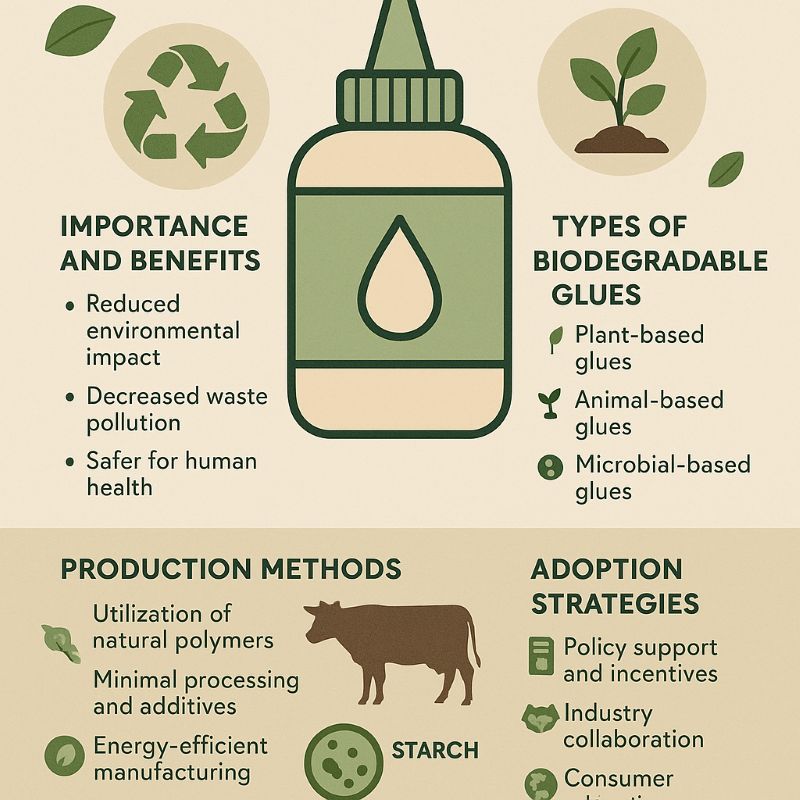
Current trends in hot melt adhesive technology reflect a growing emphasis on sustainability, efficiency, and adaptability. Manufacturers are increasingly adopting formulations designed to reduce environmental impact while maintaining bonding performance. Developments in temperature-resistant and application-stable hot melt adhesives support use in more demanding industrial conditions. Additionally, advances in application control and process automation are improving precision and reducing material waste. These trends indicate a shift toward smarter, more efficient adhesive solutions aligned with modern manufacturing requirements.
Effective use of hot melt adhesives begins with understanding material compatibility, operating temperature ranges, and environmental exposure conditions. Selecting the correct adhesive formulation based on performance requirements is essential for long-term reliability. Equally important is choosing an appropriate application method that matches production scale and accuracy needs. Regular maintenance of dispensing equipment helps ensure consistent adhesive flow and bonding quality. Staying informed about evolving adhesive technologies enables manufacturers to continuously improve efficiency while supporting sustainable production practices.
The future of hot melt adhesives is shaped by ongoing innovation focused on sustainability, automation, and performance optimization. As industries seek to reduce environmental impact and increase operational efficiency, hot melt adhesives are expected to evolve with improved material formulations and smarter application systems. Their solvent-free nature, adaptability across industries, and compatibility with high-speed manufacturing position them as a long-term solution for industrial bonding. Continued advancements will further expand their role in packaging, automotive, electronics, and general manufacturing sectors.
What are hot melt adhesives?
Hot melt adhesives are thermoplastic materials that are applied in a molten state and solidify upon cooling to create a bond.
What types of hot melt adhesives are used in industry?
Common types include EVA-based, polyolefin-based, and polyamide hot melt adhesives, each suited to different performance and environmental requirements.
Why are hot melt adhesives important in manufacturing?
They support fast production speeds, reduce waste, and provide consistent bonding quality without the need for solvents.
What application methods are used for hot melt adhesives?
Methods include manual dispensing, automated systems, spray application, and extrusion, depending on scale and precision needs.
What trends are influencing hot melt adhesive technology?
Key trends include sustainability-focused formulations, improved temperature resistance, and greater automation in application processes.
How can manufacturers use hot melt adhesives effectively?
By selecting the correct adhesive type, using appropriate application methods, maintaining equipment, and adapting to new technologies.
What is the future outlook for hot melt adhesives?
The future includes increased use of eco-friendly formulations, smarter application systems, and broader industrial adoption.
Are hot melt adhesives suitable for all materials?
They are versatile but must be selected carefully based on substrate compatibility and operating conditions.