


Table of Contents
- What Are Automotive Hot Melt Adhesives?
- Key Hot Melt Types for the Automotive Industry
- Application by Vehicle Zone
- A Practical Guide to Selecting the Right Adhesive
- 2026 Trends: Sustainability and Smart Production
As the automotive industry accelerates towards electric vehicles and lightweight designs, the challenge of joining dissimilar materials—plastics to metals, composites to textiles—has become more critical than ever. Traditional fasteners add weight and can create stress points. How can manufacturers achieve durable, lightweight, and efficient bonds in this complex environment? The answer increasingly lies in an advanced material science: automotive hot melt adhesives. These adhesives are not just glues; they are engineered solutions that are becoming the silent backbone of modern vehicle assembly, offering a unique combination of speed, strength, and sustainability.
What Are Automotive Hot Melt Adhesives?
Automotive hot melt adhesives are solvent-free, thermoplastic polymers that are applied in a molten state and form a strong bond upon cooling. Unlike solvent-based adhesives, they contain no volatile organic compounds (VOCs), making them an environmentally friendly choice for modern manufacturing. The process is simple and fast: the adhesive is heated, applied to a substrate, and as it cools, it solidifies almost instantly, creating a robust connection. This rapid setting time is a massive advantage in high-volume automotive production lines, enabling faster assembly and increased throughput. The importance of hotmelt adhesive for automotive applications stems from its ability to withstand the harsh conditions a vehicle endures, including extreme temperature fluctuations, constant vibrations, and exposure to moisture and chemicals.
💡KEY POINT
- Core Function: A solid, solvent-free adhesive that melts when heated and bonds upon cooling.
- Key Advantages: Fast curing times, zero VOC emissions, and strong adhesion to a wide range of materials.
- Industry Impact: Enables automated, high-speed assembly while meeting stringent environmental and performance standards.
Key Hot Melt Types for the Automotive Industry
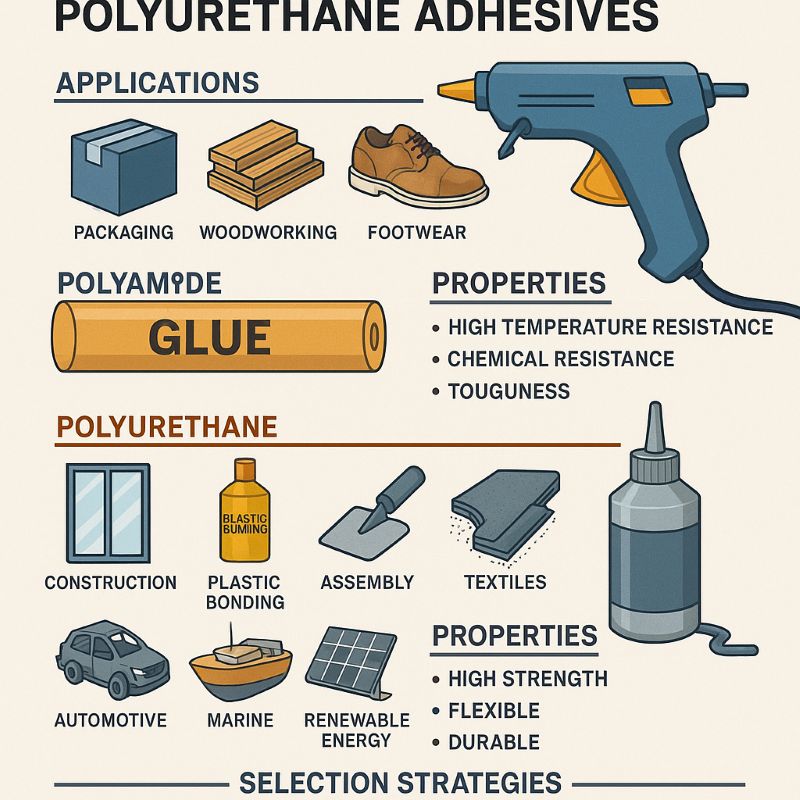
Not all hot melts are created equal. The choice of polymer chemistry dictates the adhesive's performance characteristics, making it crucial to select the right type for each specific application. The 2026 automotive landscape primarily relies on four core types of automotive hotmelt adhesive, each with distinct properties. PUR (Polyurethane Reactive) hot melts offer exceptional structural strength and flexibility after curing with ambient moisture. APAO (Amorphous Poly-Alpha-Olefin) is known for its excellent thermal stability and adhesion to polyolefin plastics like polypropylene. PSA (Pressure-Sensitive Adhesive) remains tacky after cooling, ideal for applications requiring repositioning or a permanent "peel and stick" bond. Finally, Polyamide hot melts provide superior heat and chemical resistance, making them suitable for demanding under-the-hood environments.
| Adhesive Type | Key Characteristics | Common Use Case |
|---|---|---|
| PUR (Polyurethane Reactive) | High structural strength, excellent flexibility, cures with moisture. | Headliner bonding, structural trim |
| APAO (Amorphous Poly-Alpha-Olefin) | Good heat stability, strong bond to low-energy plastics. | Door panels, carpeting, insulation |
| PSA (Pressure-Sensitive) | Permanently tacky, allows for repositioning, good shear strength. | Gaskets, sound-dampening foam |
| Polyamide | High heat resistance, excellent chemical resistance. | Electronic component potting, wire harnessing |
Application by Vehicle Zone
The versatility of hot melt adhesives allows for their use throughout a vehicle, from the passenger cabin to the engine compartment. The key is matching the adhesive's properties to the specific environmental and material demands of each zone. In the vehicle interior, APAO and PSA hot melts are widely used for bonding headliners, door panels, carpets, and acoustic insulation. Their ability to bond fabrics, foams, and plastics like polypropylene is critical. For exterior and structural trim, PUR hot melts are preferred for their strong, durable, and weather-resistant bonds. In the increasingly complex world of automotive electronics, Polyamide and specialty PUR hot melts are used for potting sensors and encapsulating components, protecting them from vibration and moisture. Even under the hood, high-performance Polyamide adhesives are used for wire harnessing and securing components in high-temperature environments.
Before full-scale production, always conduct a substrate compatibility test. Apply the selected adhesive to a sample of the actual production materials and subject it to a simulated lifecycle test, including temperature cycles and vibration, to validate bond strength and durability.
A Practical Guide to Selecting the Right Adhesive
Choosing the correct automotive hot melt adhesive is a critical decision that impacts product quality, production efficiency, and cost. The selection process should be systematic, considering several key factors beyond just the adhesive type. The primary consideration is the substrates being bonded—are they similar or dissimilar materials? Do they have high or low surface energy? Next, the in-service environmental conditions must be evaluated. What is the maximum and minimum temperature the bond will be exposed to? Will it encounter moisture, oils, or other chemicals? The production process itself is another crucial factor. What is the required open time (the time between application and joining) and set time (the time to reach handling strength)? Answering these questions will guide engineers to the optimal solution.
| Selection Criteria | Key Question to Ask | Why It Matters |
|---|---|---|
| Substrates | What materials are being bonded (e.g., PP, ABS, aluminum, fabric)? | Determines the required polymer chemistry for proper surface wetting and adhesion. |
| Temperature Range | What are the minimum and maximum operating temperatures? | Ensures the adhesive will not become brittle in the cold or soften in the heat. |
| Assembly Process | How much time is available between application and part mating? | Dictates the necessary "open time" and "set time" to match production line speed. |
| Performance Needs | Is the bond structural, flexible, or easily removable? | Defines the required tensile strength, elongation, and peel strength of the adhesive. |
2026 Trends: Sustainability and Smart Production
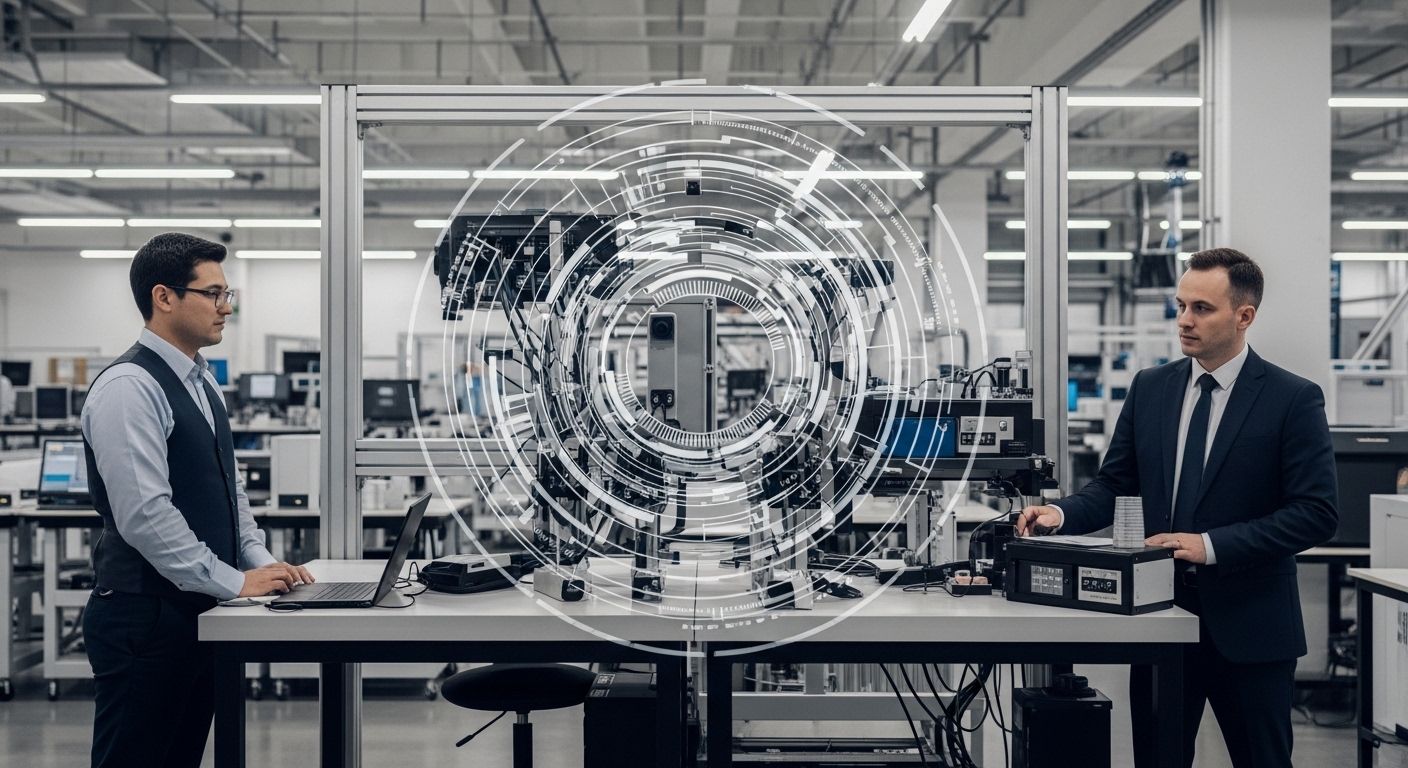
Looking ahead to 2026, two major trends are shaping the future of automotive hot melt adhesives: sustainability and smart production. The global push for greener manufacturing has put a spotlight on the inherent environmental benefits of hot melts. Their solvent-free, 100% solid composition means zero VOC emissions, contributing to safer work environments and reduced environmental impact. This aligns perfectly with the automotive industry's goals for sustainable production. Concurrently, the drive for "smart" manufacturing and automation heavily favors hot melt technology. The rapid, predictable curing times of hot melts are perfectly suited for robotic application systems, enabling high-speed, repeatable, and precise assembly. This synergy between material and machine not only boosts productivity but also enhances final product quality and consistency, solidifying hot melt's role as a cornerstone technology for the future of vehicle manufacturing.
💡KEY POINT
- Sustainability: Zero VOCs and low energy consumption during application make hot melts an eco-friendly choice for modern automotive manufacturing.
- Smart Production: Fast setting times and compatibility with robotic applicators enable fully automated, high-efficiency assembly lines.
- The Future: The combination of environmental benefits and automation-readiness ensures hot melt adhesives will be a key enabler for building the complex, lightweight, and sustainable vehicles of tomorrow.