


Table of Contents
- Hot Melt Application for Automotive Interiors
- Selecting Hot Melts for Engine Bays & High-Temp Parts
- Adhesion and Protection for Electrical/Electronic Components
- Product Recommendations by Leading Brands
- On-Site Issues & Maintenance Tips
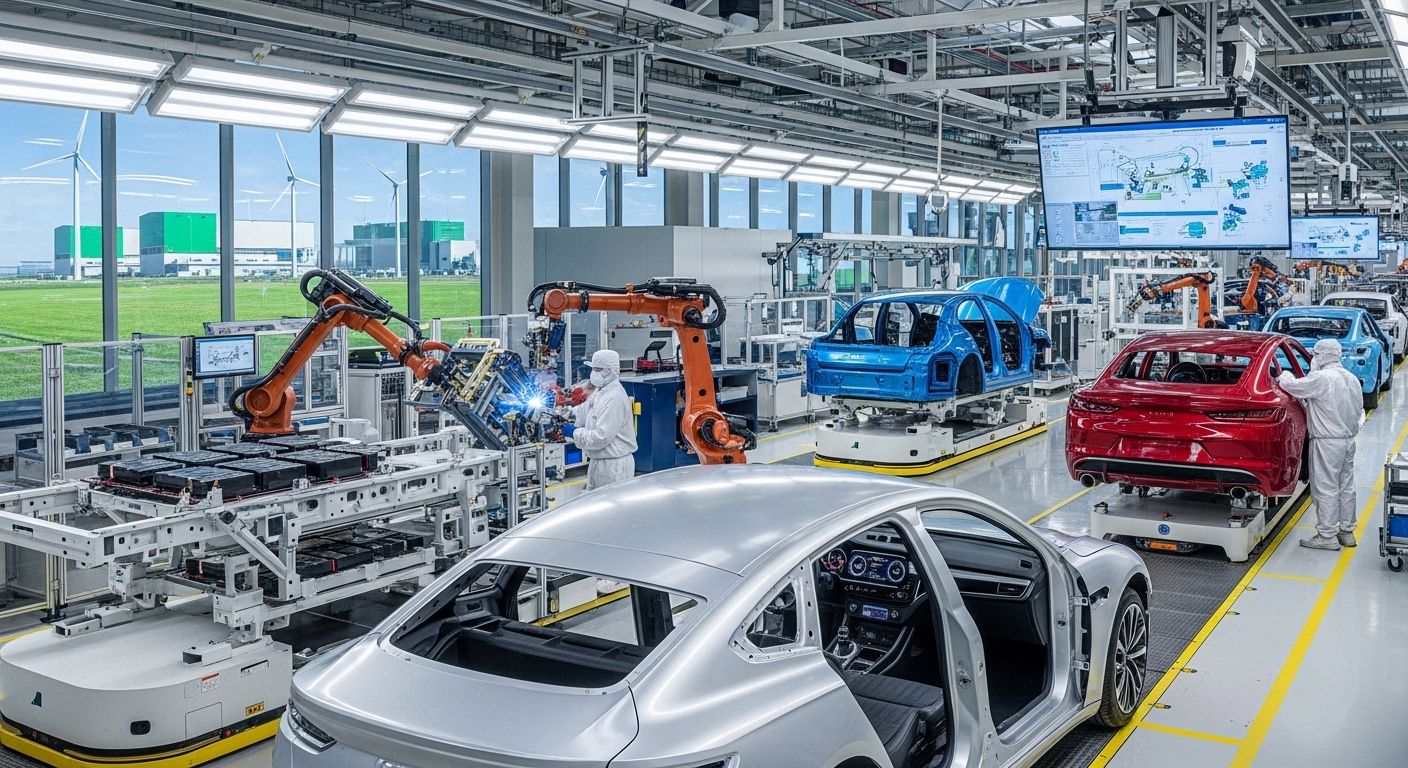
As the automotive industry accelerates towards 2026, the complexity of vehicle assembly is reaching new heights. The increased use of lightweight composites, mixed materials, and intricate electronic systems has rendered traditional fasteners like screws and rivets inefficient and sometimes obsolete. This shift has created a critical demand for advanced bonding solutions. Automotive hot melt adhesives have emerged as a cornerstone technology, offering a unique combination of rapid curing, structural integrity, and environmental compliance that directly addresses modern manufacturing challenges. This article explores the precise application of these adhesives across key vehicle zones and provides expert recommendations for selecting the right products to enhance both quality and production efficiency.
Hot Melt Application for Automotive Interiors
The modern vehicle interior is a complex assembly of diverse materials, including plastics, textiles, leather, and foam. Hotmelt adhesive for automotive applications plays a pivotal role in seamlessly bonding these disparate components in areas like dashboards, door trims, and headliners. The primary challenge is to create a durable bond that can withstand constant vibration and significant temperature fluctuations without failing or releasing volatile organic compounds (VOCs).
For these applications, different types of hot melts are specified based on the substrates and performance requirements. For example, Amorphous Poly-alpha-olefin (APAO) hot melts are often favored for their excellent adhesion to low-surface-energy plastics like polypropylene (PP), which is common in door panels and trim. Conversely, Polyurethane (PUR) hot melts provide superior structural strength and flexibility, making them ideal for bonding fabrics to rigid backings in headliners and seating. The key is selecting an adhesive that not only bonds materials effectively but also aligns with the production line's speed, ensuring rapid setting times for high-volume assembly.
| Hot Melt Type | Primary Advantage | Common Interior Application |
|---|---|---|
| Polyurethane (PUR) | High structural strength and flexibility | Headliners, seat upholstery, instrument panels |
| APAO | Excellent adhesion to polyolefin plastics | Door panels, trunk liners, carpet bonding |
| PSA (Pressure-Sensitive) | Permanent tackiness, repositionable | Attaching foam gaskets, sound-dampening pads |
Selecting Hot Melts for Engine Bays & High-Temp Parts
The engine compartment and powertrain components present the most demanding environment for any adhesive. Here, automotive hot melt adhesives must endure extreme heat, exposure to oils and chemicals, and constant vibration. Failure is not an option, as it could compromise vehicle safety and performance. The primary requirement is exceptional thermal and chemical resistance.
Polyamide-based hot melts are the go-to solution for these high-stress applications. They are engineered to maintain their structural integrity at temperatures exceeding 150°C (302°F) and offer robust resistance to automotive fluids like engine oil, coolant, and transmission fluid. These adhesives are commonly used for bonding wire harnesses, securing sensors, and encapsulating small electronic modules within the engine bay. The selection process must involve a rigorous evaluation of the adhesive's specific temperature rating and chemical compatibility to ensure long-term reliability under harsh operating conditions.
⚠️CAUTION
Always verify the continuous operating temperature and chemical resistance specifications of a hot melt before using it in under-the-hood applications. Choosing a product with an inadequate temperature rating can lead to bond failure, component damage, and potential safety hazards. Cross-reference the adhesive's data sheet with the maximum expected temperature of the specific part.
Adhesion and Protection for Electrical/Electronic Components
The proliferation of sensors, ECUs, and complex wiring systems in modern vehicles has created a new frontier for adhesive technology. In this domain, automotive hot melt adhesives serve a dual purpose: providing secure mechanical bonding and offering vital protection against moisture, dust, and vibration. This process, often called low-pressure molding or encapsulation, is critical for ensuring the longevity and reliability of sensitive electronic components.
The ideal hot melt for electronic applications has a low application temperature to avoid damaging delicate circuits and a controlled viscosity to flow into intricate spaces without creating voids. Polyamide and specific polyolefin-based hot melts are frequently used for this purpose. They create a sealed, protective barrier that insulates components from environmental hazards. This not only enhances durability but also contributes to noise, vibration, and harshness (NVH) reduction by dampening the vibrations of small parts.
When encapsulating electronic components, pre-heating the part or mold slightly can improve the hot melt's flow and prevent thermal shock to sensitive circuits. This simple step ensures a more complete fill, minimizes voids, and creates a stronger, more reliable seal against environmental factors.
Product Recommendations by Leading Brands
Selecting the right automotive hot melt adhesive from a crowded market can be challenging. However, several established brands are known for their high-performance, reliable solutions tailored for the automotive industry. Companies like 3M, Sika, Tecbond, and Bostik offer comprehensive portfolios that cover a wide range of applications, from interior trim to high-temperature engine components.
A practical approach is to match the product family to the application zone. For instance, SikaMelt® products are often specified for structural and interior bonding, while 3M™ Hot Melt Adhesives are widely used for electronics and plastic bonding. The key is to look beyond the brand name and scrutinize the technical data sheet for critical parameters like open time, viscosity, temperature resistance, and substrate compatibility. A well-informed decision based on these specifications is crucial for achieving optimal performance and production efficiency.
| Brand Family | Specialization | Key Feature |
|---|---|---|
| 3M™ Hot Melt Adhesives | Electronics, Plastics, General Assembly | Wide product range, strong R&D |
| SikaMelt® | Structural Bonding, Interior Panels | High-strength PUR formulations |
| Tecbond | General Purpose, High-Performance Polyamides | Specialized for high-temp applications |
| Bostik | Sealing, Laminating, Product Assembly | Strong focus on flexible and elastic bonds |
On-Site Issues & Maintenance Tips
Even with the best adhesive, on-site application and process control are critical for success. Common issues in the production environment include poor adhesion, inconsistent bead size, and equipment clogging. These problems can often be traced back to incorrect application temperature, contaminated surfaces, or improper equipment maintenance.
To prevent these issues, it is essential to establish and follow strict standard operating procedures. Ensure all surfaces are clean, dry, and free of grease or mold-release agents before application. Regularly check and calibrate dispensing equipment to maintain the recommended application temperature, as deviations can significantly alter the adhesive's viscosity and bonding properties. A proactive maintenance schedule for nozzles and melt tanks will prevent clogging and ensure a consistent, high-quality bond, ultimately reducing downtime and material waste on the assembly line.
💡KEY POINT
- Key to Success: The right adhesive selection is only half the battle; precise process control is equally vital for consistent quality in automotive assembly.
- Critical Factors: Focus on substrate preparation, accurate temperature control, and regular equipment maintenance.
- Proactive Approach: Implementing a robust maintenance and calibration schedule prevents common failures, reduces waste, and maximizes production efficiency.
- End Goal: A reliable, durable bond that meets the stringent quality standards of the 2026 automotive industry.