


Table of Contents
- Hot Melt Adhesive Formulations Explained
- Key Types of Hot Melt Adhesives by Polymer
- How Segmentation Impacts Real-World Applications
- Emerging Trends in Hot Melt Adhesive Development
- Choosing the Right Hot Melt Adhesive for Your Needs
In the fast-paced manufacturing landscape of 2026, relying on a generic bonding solution is a recipe for operational inefficiency. From intricate electronics assembly to advanced packaging, the demand for highly specialized joining materials has never been higher. At the core of this industrial evolution are hot melt adhesive formulations, which dictate everything from setting speed to thermal resistance. Understanding how these materials are segmented is no longer just a task for chemical engineers; it is a critical strategic advantage for product developers and operational managers alike. Let us explore the fundamental classifications, real-world implications, and the latest innovations shaping the modern adhesive market.
Hot Melt Adhesive Formulations Explained 🔬
The industrial bonding sector relies heavily on the structural integrity provided by specific chemical blends. At the fundamental level, hot melt adhesive formulations are thermoplastic materials that remain solid at room temperature and become fluid when heated. This phase-change property allows for rapid setting and strong initial tack without the need for drying solvents, significantly accelerating production timelines.
The defining characteristic of any hot melt is its base polymer. This primary ingredient acts as the backbone of the adhesive, determining its cohesive strength, flexibility, and overall temperature resistance. While tackifiers, waxes, and antioxidants are blended into the mix to modify viscosity and open time, the base polymer strictly dictates the core category of the adhesive. Recognizing this foundational chemistry is essential for anyone involved in material selection, as it directly correlates with end-use performance and reliability.
- The base polymer is the central component defining the performance and classification of the adhesive.
- Additives like tackifiers and waxes fine-tune functional properties but do not change the core category.
- Understanding these chemical foundations ensures optimal material compatibility in various manufacturing processes.
Key Types of Hot Melt Adhesives by Polymer 🧪
While the market features hundreds of chemical variations, industry consensus identifies that the vast majority of commercial products fall into 6 to 8 primary base polymer categories. There is no single rigid master list, as chemists continuously adjust these formulas to meet evolving industrial demands. However, these core categories cover almost all standard and specialized applications available today.
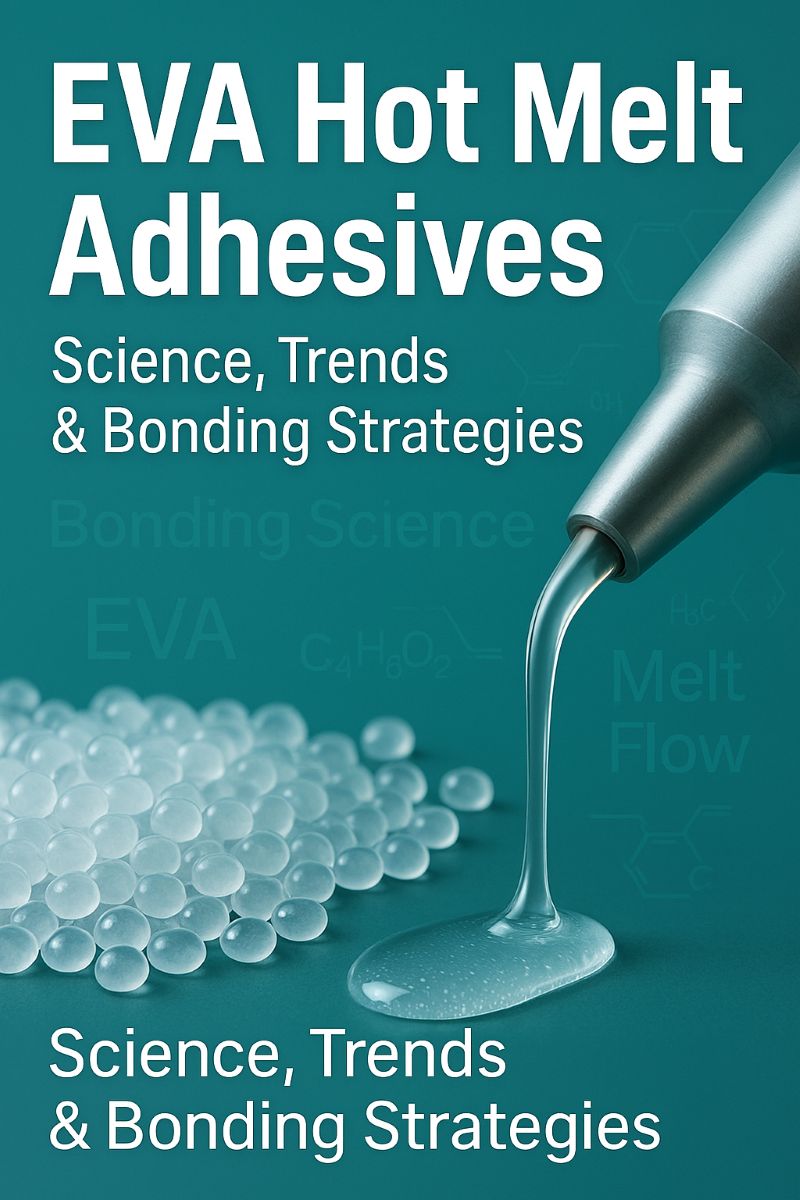
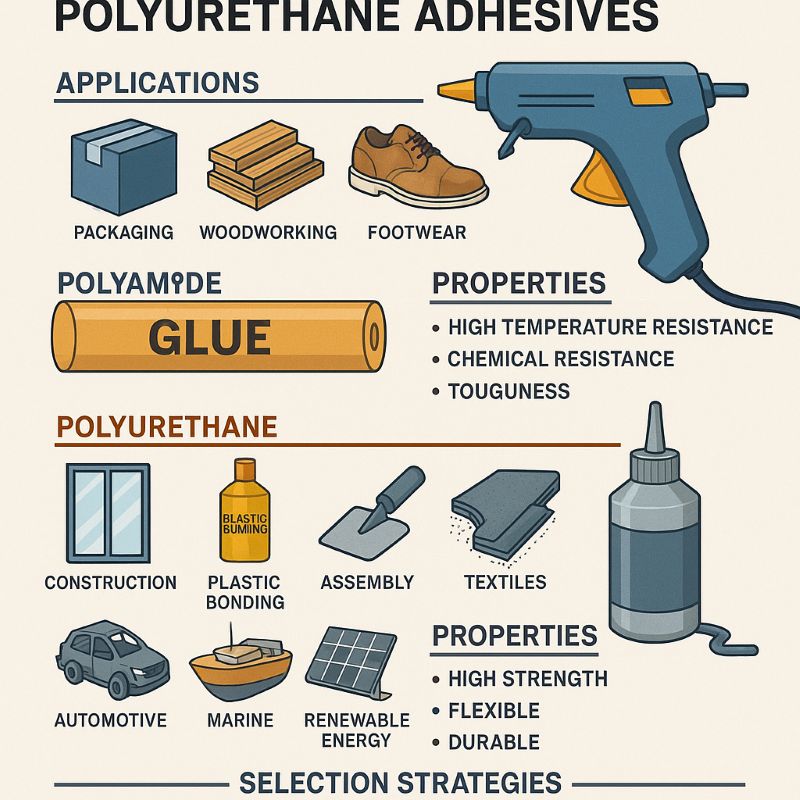
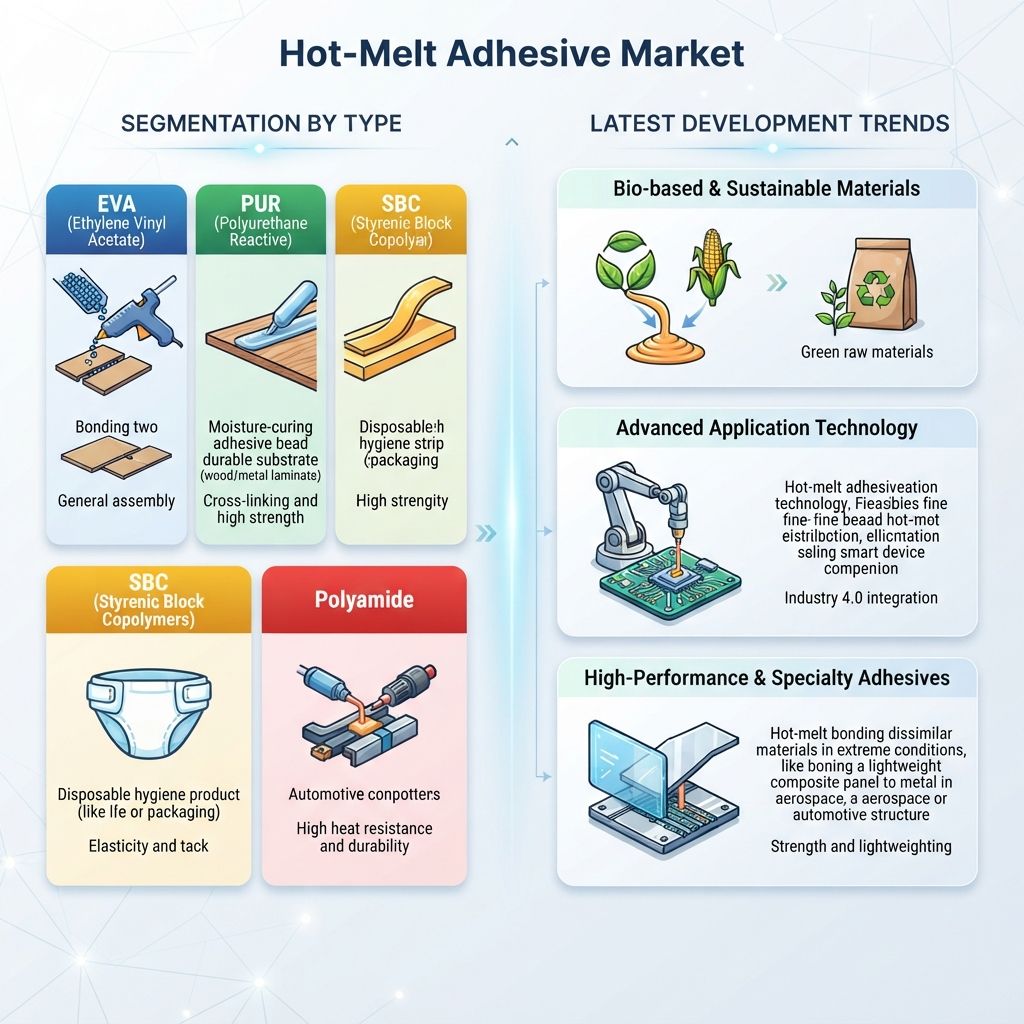
The most universally recognized hot melt adhesive types include Ethylene Vinyl Acetate (EVA), Polyolefins, Polyurethanes (PUR), Polyamides, Styrenic Block Copolymers (SBC), and Polyesters. Each category offers distinct advantages tailored to specific environments. For instance, EVA is known for its versatility in standard packaging, whereas PUR provides exceptional cross-linking structural strength suitable for rigorous automotive applications.
| Polymer Base | Key Characteristics | Common Applications |
|---|---|---|
| EVA | Cost-effective, versatile, standard open time | General packaging, paper bonding |
| PUR | High structural strength, moisture-curing | Automotive interiors, woodworking |
| Polyamide | High thermal resistance, excellent durability | Electronics, high-stress environments |
| SBC | Pressure-sensitive properties, high tack | Labels, tapes, hygiene products |
How Segmentation Impacts Real-World Applications 🏭
The theoretical classification of hot melt glue formulations directly translates into tangible differences on the production floor. Knowing the base polymer is just the first step; understanding how this segmentation aligns with environmental conditions and substrate materials is where true operational efficiency is achieved.
Beyond basic polymer types, functional segmentation plays a vital role. For example, pressure-sensitive adhesives (PSAs) derived from SBCs remain permanently tacky, serving a completely different functional purpose than a rigid polyester hot melt used in textile bonding. Furthermore, variations such as volatile-free formulations address specific regulatory requirements. Selecting the wrong category can lead to catastrophic bond failure under extreme temperatures. Thus, product developers must map the specific environmental stressors of their application directly to the inherent traits of the chosen polymer class.
Always conduct substrate testing under simulated end-use conditions before finalizing your choice. Even within the same polymer family, minor formulation adjustments can drastically alter adhesion performance on challenging surfaces.
Emerging Trends in Hot Melt Adhesive Development 📈
As we navigate through 2026, the landscape of hot melt adhesive formulations is characterized by rapid innovation and intense customization. The traditional boundaries between polymer categories are blurring as manufacturers engineer advanced custom blends to solve highly specific manufacturing challenges.
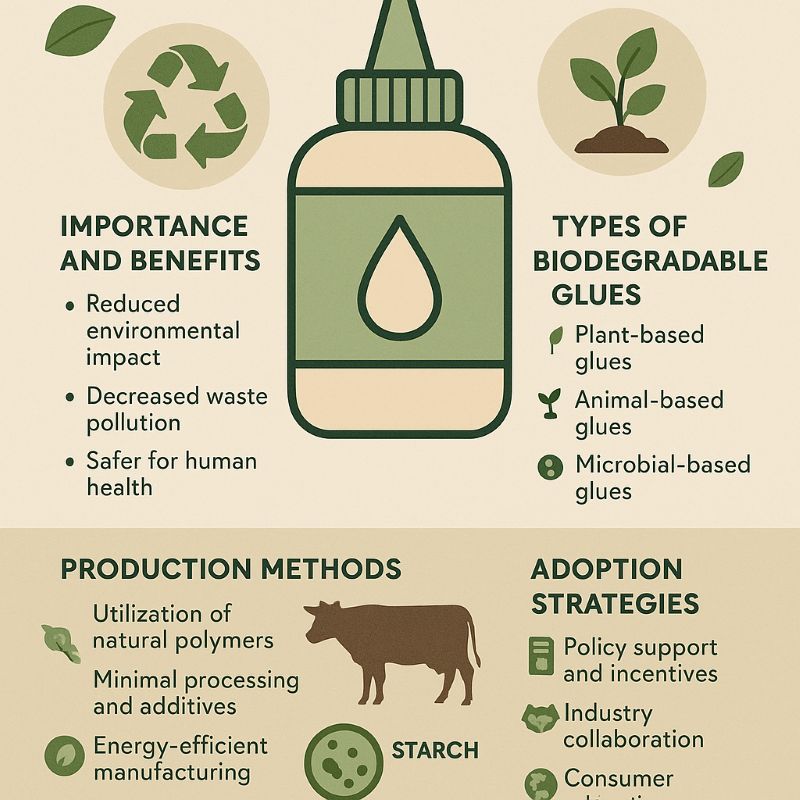
One of the most significant shifts is the move toward sustainable and bio-based alternatives. Strict environmental regulations are driving the development of adhesives that maintain high performance while reducing reliance on traditional petrochemicals. Additionally, the rise of smart manufacturing requires formulations that offer lower application temperatures to conserve energy and protect sensitive electronic substrates. The market remains highly fluid, with functional modifications constantly emerging to support faster production lines.
| Trend Category | Traditional Approach | 2026 Innovation Focus |
|---|---|---|
| Sourcing | Petrochemical-based polymers | Bio-based and compostable materials |
| Application | High-temperature melting | Low-application temperature formulas |
| Functionality | Standard bonding strength | Smart adhesives with custom functional traits |
Choosing the Right Hot Melt Adhesive for Your Needs 🎯
Navigating the complex matrix of hot melt adhesive formulations requires a balanced approach that weighs both theoretical chemistry and practical application constraints. Since exact quantities of available types fluctuate due to continuous laboratory adjustments, focusing on the specific functional requirements of your project is the most reliable strategy.
Begin by evaluating the substrates you intend to join, the thermal exposure the product will endure, and the required production speed. Next, align these factors with the 6 to 8 primary polymer categories to narrow down your options. Remember that custom blends are highly prevalent in the modern market; therefore, prioritizing functional alignment over rigid categorization will ensure robust, long-lasting bonds in any industrial application.
Do not rely solely on theoretical data sheets. Performance metrics must be validated through rigorous field testing, as unexpected environmental variables can compromise even the most advanced adhesive formulas.