


Table of Contents
- What Makes Biodegradable Hot Melts Unique?
- Understanding Durability in Eco-Friendly Hot Melts
- Key Factors That Influence Performance
- Balancing Strength and Biodegradability in Packaging
- Tips for Selecting the Best Adhesive Solution
In a world generating over 2 billion tons of municipal solid waste annually, the demand for sustainable packaging has never been more critical. We expect our packages to be sturdy and secure, yet we also wish for them to vanish without a trace once their job is done. This paradox highlights a significant challenge in materials science. Enter biodegradable hot melt, an innovative adhesive designed to be strong when needed and eco-friendly at its end-of-life. This guide explores the durability of these adhesives, answering the key question for businesses and consumers alike: are they strong enough for the job?
What Makes Biodegradable Hot Melts Unique? 🌿
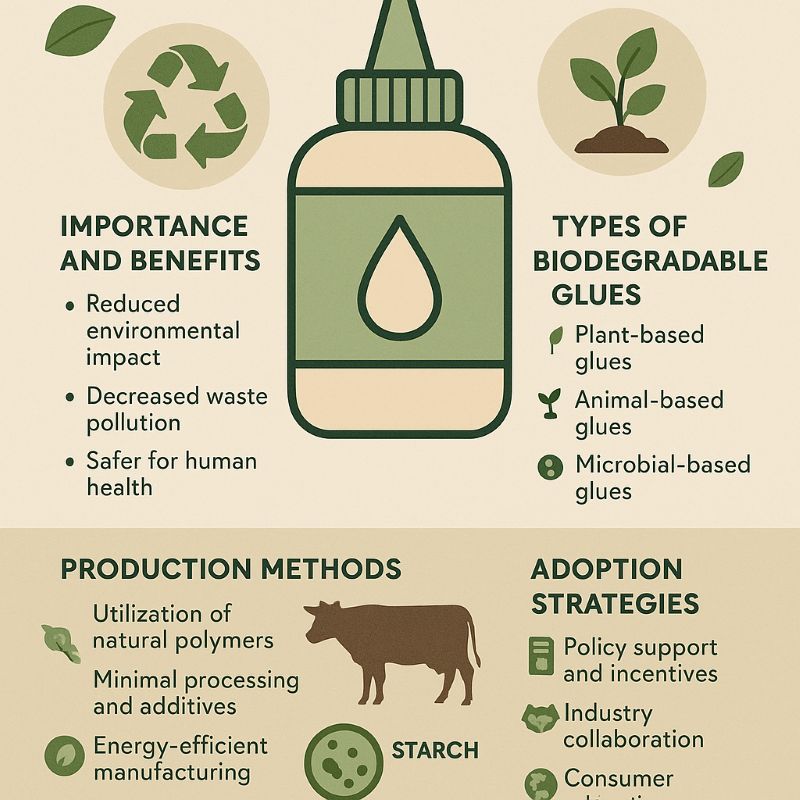
A biodegradable hot melt is an adhesive engineered to break down into natural elements like water, carbon dioxide, and biomass when exposed to specific environmental conditions. Unlike traditional synthetic adhesives that can persist in landfills for centuries, these eco-friendly alternatives are typically derived from renewable resources such as polylactic acid (PLA), starches, or polycaprolactone (PCL). Their primary distinction lies in their lifecycle; they are designed for a circular economy.
The uniqueness of a biodegradable adhesive is its dual nature. During its functional life—securing a shipping box or sealing a food container—it provides a reliable and robust bond. However, its durability is intentionally finite. Once discarded in a suitable environment, such as an industrial composting facility, microorganisms begin the process of decomposition. This controlled lifespan makes it an ideal solution for single-use products and packaging, where long-term permanence is not only unnecessary but also environmentally detrimental.
💡KEY POINT
- Eco-Friendly Lifecycle: Designed to decompose into natural elements, reducing landfill waste.
- Renewable Sources: Often made from plant-based materials like PLA and starch.
- Purpose-Driven Durability: Strong enough for its intended application but breaks down under specific end-of-life conditions.
Understanding Durability in Eco-Friendly Hot Melts ⏳
When considering an eco-friendly hot melt, it's crucial to shift the perspective on durability. The goal is not permanence, but rather performance for a designated period. For their intended uses in packaging and disposable goods, these adhesives are surprisingly robust. The bond strength is often comparable to conventional hot melts for short-to-medium-term applications, ensuring packages remain sealed throughout shipping and handling.
The key difference is what happens after this period. While a traditional adhesive bond remains indefinitely, a biodegradable one is engineered to last from a few months to a couple of years under normal, dry, indoor storage conditions. This timeframe is more than sufficient for the lifecycle of most consumer-packaged goods. The "end" of its durability is a feature, not a flaw, designed to activate only when composting or biodegradation conditions are met.
| Feature | Biodegradable Hot Melt | Traditional Hot Melt |
|---|---|---|
| Primary Goal | Performance + Degradability | Maximum Permanence |
| Typical Lifespan | Months to years (pre-compost) | Decades to centuries |
| End-of-Life | Decomposes into biomass | Persists in landfills |
| Ideal Use Case | Packaging, disposables, temporary bonds | Long-term assembly, construction |
Key Factors That Influence Performance 🔬
The performance and lifespan of a biodegradable hot melt are not absolute; they are highly dependent on a combination of factors. Understanding these variables is essential for selecting the right product and ensuring it meets application requirements. The three most critical factors are material composition, environmental conditions, and the intended use.
Material Composition: The base polymer significantly impacts durability.
- PLA (Polylactic Acid): Offers good strength and rigidity but can be more brittle. Its degradation is primarily triggered by heat and moisture.
- Starch-Based Adhesives: Highly biodegradable and cost-effective, but may offer lower resistance to moisture during use.
- PCL (Polycaprolactone): Known for its flexibility and slower degradation rate, making it suitable for applications requiring a slightly longer functional life.
Environmental Conditions: The surrounding environment is the primary trigger for decomposition.
- Moisture & Humidity: Water is essential for the hydrolysis process that begins to break down the polymer chains. In dry, indoor conditions, the adhesive remains stable.
- Temperature: Higher temperatures accelerate the chemical reactions involved in degradation. Most biodegradable adhesives remain stable at room temperature but break down faster in the heat of a compost pile (above 50-60°C).
- Microorganisms: Bacteria and fungi are the final agents of decomposition, consuming the organic matter.
Intended Use: The application itself defines the required durability. A paper-based mailer has different stress requirements than a box used for cold-chain logistics.
Before selecting a biodegradable adhesive, thoroughly analyze its expected lifecycle environment. Consider the maximum humidity and temperature it will be exposed to during shipping and storage to ensure the bond remains stable until its intended end-of-life.
Balancing Strength and Biodegradability in Packaging ⚖️
The core challenge and innovation in biodegradable hot melt technology is achieving the perfect equilibrium between durability and degradability. This is not a one-size-fits-all solution; it’s a "balancing act." The more rapidly an adhesive is designed to biodegrade, the less permanent its bond tends to be. Therefore, the choice of adhesive must be a strategic decision aligned with the product's specific needs.
For example, a cardboard box for a fast-moving consumer good that will be on a shelf for a few months requires a different formulation than a disposable coffee cup sleeve designed for a 30-minute use. Manufacturers must weigh the need for a bond that withstands supply chain rigors against the goal of rapid decomposition post-use. This balance is what makes these adhesives so effective for their target applications—they are engineered to be strong enough for their job and weak enough to disappear. This targeted performance ensures both product integrity and environmental responsibility.
To find the right balance, define the "functional lifespan" your product requires. Communicate this clearly with your adhesive supplier. A product needing a 6-month shelf life requires a different adhesive than one needing a 24-month life, even if both are biodegradable.
Tips for Selecting the Best Adhesive Solution ✅
Choosing the right biodegradable glue is a critical step in developing sustainable packaging. A methodical approach ensures that the selected adhesive meets both performance and environmental goals. The key is to match the adhesive's specific properties to its real-world application and end-of-life scenario. A haphazard choice can lead to bond failure or unfulfilled sustainability promises.
To make an informed decision, it's essential to evaluate several criteria systematically. This includes understanding the substrates being bonded, the environmental stresses the package will endure, and the desired decomposition timeline. Use a checklist to compare different adhesive options against your specific requirements. This ensures you select a product that is not only certified biodegradable but also perfectly suited for your operational needs, providing a reliable bond from production to disposal.
| Selection Criterion | Key Question to Ask | Why It Matters |
|---|---|---|
| Substrate Compatibility | What materials am I bonding (e.g., coated paper, corrugated cardboard)? | Ensures strong adhesion and prevents bond failure. |
| Environmental Exposure | Will the package be exposed to high heat, humidity, or refrigeration? | Determines the required resistance to premature degradation. |
| Required Bond Strength | What is the weight of the product and the stress on the sealed areas? | Matches the adhesive's cohesive strength to the physical demands. |
| End-of-Life Plan | Is the product intended for industrial composting or home composting? | Aligns the adhesive's decomposition rate with its disposal environment. |
| Regulatory Compliance | Does the adhesive meet certifications like BPI or TÜV Austria? | Verifies third-party claims of biodegradability and compostability. |