


Table of Contents
- Understanding Hot Melt Adhesive Removers
- Key Factors in Safe Remover Selection
- Essential Safety Precautions and Tips
- Exploring Safer and Alternative Methods
- Checklist for Choosing the Right Remover
Have you ever finished a project only to find a stubborn blob of hot melt glue marring your perfect finish? Or perhaps you've tried to repurpose an item, but the old adhesive simply won't budge. While powerful, hot melt adhesives can be challenging to remove without the right tool. A hot melt adhesive remover is designed for this exact task, but not all removers are created equal. The wrong choice can damage your product or, more importantly, pose safety risks. This guide will walk you through how to select the right hot melt remover for your needs, ensuring both effectiveness and safety in your home or workshop.
Understanding Hot Melt Adhesive Removers
A hot melt adhesive remover is a chemical solvent or agent formulated to break down and dissolve the polymers in hot melt glue, making it easy to wipe away without damaging the underlying surface. These removers are essential in various settings, from crafting and woodworking to electronics assembly and packaging, where clean removal of adhesive is necessary for repairs, adjustments, or finishing.
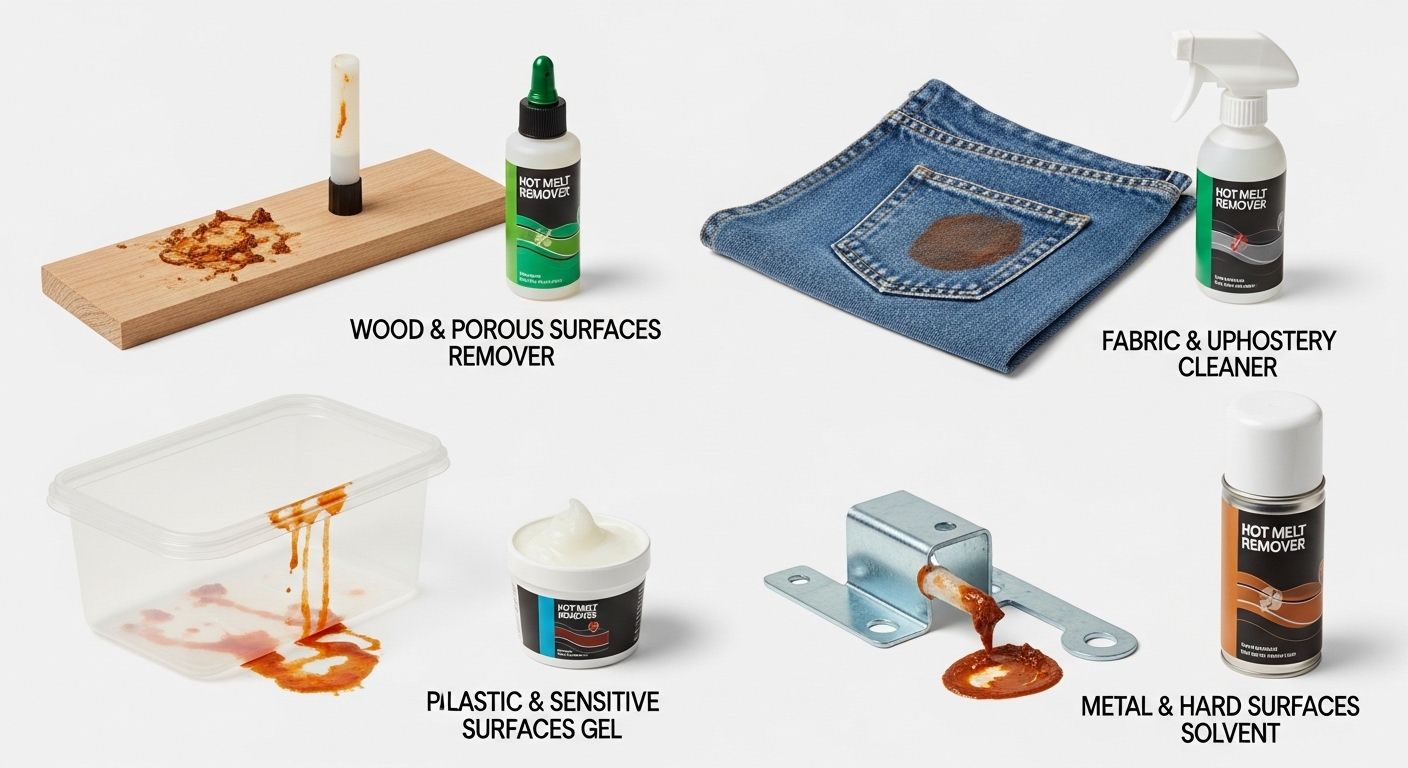
Choosing the appropriate remover is critical. An overly aggressive solvent might be effective on the glue but could also warp plastics, strip paint, or discolor fabrics. Conversely, a mild remover may be safe for the material but ineffective on the adhesive. Therefore, understanding the chemical composition of the remover and the nature of the surface you are working on is the first step toward a successful and damage-free outcome. The goal is to find a balanced solution that targets only the adhesive.
💡KEY POINT
- Function: Hot melt adhesive removers are chemical agents that dissolve the bonds of hot melt glue.
- Application: They are used for cleaning, repairs, and correcting mistakes across various industries and DIY projects.
- Importance of Choice: Selecting the right remover prevents damage to the product's surface and ensures effective adhesive removal.
Key Factors in Safe Remover Selection
The safety of a hot melt adhesive remover is not universal; it is dictated primarily by its ingredients. Many commercial removers contain volatile organic compounds (VOCs) or harsh solvents that can be effective but require strict safety protocols. Always prioritize products with clear ingredient lists and safety information.
A crucial step before using any remover is to check its Material Safety Data Sheet (MSDS). This document provides comprehensive details on potential hazards, handling procedures, and emergency measures. Look for removers based on citrus oils or soy, as they are often less toxic and have fewer fumes, making them a safer choice for enclosed spaces. Furthermore, always consider the compatibility of the remover with the material you are cleaning. A patch test on an inconspicuous area can prevent costly damage.
| Ingredient Type | Common Components | Safety Profile |
|---|---|---|
| Citrus-Based | d-Limonene (from orange peels) | Lower toxicity, pleasant odor, but can be a skin irritant. Good ventilation is still recommended. |
| Solvent-Based | Acetone, Toluene, Xylene | Highly effective but often flammable and toxic. Requires excellent ventilation and personal protective equipment (PPE). |
| Alcohol-Based | Isopropyl Alcohol (IPA) | Moderately effective, less toxic than strong solvents, but flammable. A good option for sensitive electronics. |
Essential Safety Precautions and Tips
Regardless of which hot melt remover you choose, adhering to fundamental safety practices is non-negotiable. The chemical composition of these products can pose risks, including skin irritation, respiratory issues, and fire hazards if not handled correctly. Your safety and the safety of those around you should always be the top priority.
The most critical safety measure is ensuring adequate ventilation. Always work in a well-ventilated area, preferably outdoors or in a room with open windows and a fan to circulate the air. This helps disperse potentially harmful fumes and reduces the risk of inhalation. Wearing appropriate personal protective equipment (PPE) is also essential. This includes chemical-resistant gloves to protect your skin and safety glasses to shield your eyes from accidental splashes.
Before starting your work, prepare your safety station. Have your gloves, goggles, and a clean cloth ready. Ensure your workspace is free of any potential ignition sources, such as open flames or sparks, especially when using solvent-based removers. Always read the product label and MSDS thoroughly before opening the container.
Exploring Safer and Alternative Methods
While commercial hot melt adhesive removers are effective, sometimes a safer or more accessible alternative is preferable, especially for small tasks or sensitive materials. Before reaching for a chemical solvent, consider if a mechanical or thermal method could work. These alternatives often eliminate the risks associated with chemical fumes and skin contact.
One of the most common and safest methods is using heat. A heat gun set to a low temperature or even a hairdryer can soften the hot melt adhesive enough for it to be peeled or scraped away gently with a plastic tool. Another widely available option is isopropyl alcohol (IPA), commonly found in households as rubbing alcohol. Applying IPA with a cotton swab can break down the adhesive's bond, allowing it to be wiped away. This method is particularly useful for electronics and plastics where harsh solvents could cause damage.
💡KEY POINT
- Heat Application: Use a heat gun or hairdryer on a low setting to soften the glue for easy mechanical removal.
- Isopropyl Alcohol (IPA): A less aggressive solvent that is effective on many surfaces and safer for indoor use with moderate ventilation.
- Mechanical Removal: For hardened glue on durable surfaces, careful scraping with a plastic scraper can sometimes remove the bulk of the adhesive without chemicals.
Checklist for Choosing the Right Remover
Making the right choice can feel overwhelming, but a systematic approach ensures you select the safest and most effective hot melt adhesive remover for your specific project. This checklist breaks down the evaluation process into simple, actionable steps. By considering each factor, you can confidently choose a product that gets the job done without compromising safety or the integrity of your materials.
Use this table as a final guide before you purchase or apply any remover. A few minutes of preparation can save you from potential hazards and project mishaps. Remember, the best remover is one that is not only effective but also aligns with your safety standards and work environment.
| Checklist Item | Question to Ask | Why It's Important |
|---|---|---|
| Material Compatibility | Is this remover safe for my surface (plastic, wood, fabric, etc.)? | Prevents irreversible damage like melting, staining, or discoloration. Always perform a spot test first. |
| Ingredient Review | What are the active ingredients? Are they citrus-based, solvent-based, or alcohol-based? | Determines the level of toxicity, flammability, and the need for ventilation and PPE. |
| MSDS Check | Have I read the Material Safety Data Sheet (MSDS) for this product? | Provides critical information on health hazards, handling protocols, and emergency procedures. |
| Ventilation Needs | Does my workspace have adequate ventilation for this product? | Protects you from inhaling harmful fumes, which can cause short-term or long-term health issues. |
| Required PPE | Do I have the necessary personal protective equipment (gloves, goggles)? | Essential for preventing skin and eye irritation or injury from chemical contact. |