


Table of Contents
- Understanding Hot Melt Adhesive Removers
- Essential Safety Measures Before Use
- Proper Personal Protective Equipment Guidelines
- Step-by-Step Guide to Safe Application
- Alternative Solutions and Eco-Friendly Options
That stubborn, hardened glob of hot melt adhesive—a familiar sight in many workshops and DIY projects. While incredibly useful for bonding, removing it can be a challenge that leads many to reach for a chemical solution. However, a 2026 report on workshop chemical safety highlighted that a significant number of minor injuries are caused by the improper handling of common solvents. The effectiveness of a hot melt adhesive remover is undeniable, but its safe use is paramount. Not all removers are created equal, and understanding the risks associated with their chemical composition is the first step toward protecting yourself and your project. This guide provides a practical framework for using these products safely and effectively.
Understanding Hot Melt Adhesive Removers
A hot melt adhesive remover is a chemical solvent designed to break down and dissolve the polymers in hot melt glue, making it easy to wipe away without damaging the underlying surface. These products are essential in manufacturing, crafting, and repair work where adhesives need to be cleanly removed or corrected.
However, the key to safety lies in understanding that their chemical makeup varies significantly. The safety profile of a hot melt remover is not universal; it is entirely dependent on its active ingredients. Some are formulated with aggressive organic solvents that can be effective but pose risks like skin irritation, respiratory issues from fumes, and high flammability. Others utilize milder, citrus-based or soy-based formulas that are generally safer for both the user and the environment, though they may require more time to work. Before using any product, it's crucial to identify its chemical base to understand the specific precautions you need to take.
| Remover Type | Key Characteristics | Primary Safety Concern |
|---|---|---|
| Solvent-Based | Fast-acting, highly effective on cured adhesives. | High VOCs, flammability, potential for skin/respiratory irritation. |
| Citrus-Based | Slower acting, biodegradable, pleasant odor. | Can still cause skin irritation; test on surfaces first. |
| Soy-Based | Low evaporation rate, eco-friendly, low toxicity. | Oily residue may require additional cleaning after use. |
Essential Safety Measures Before Use
Before you even open the container of a hot melt adhesive remover, a few preparatory steps can drastically reduce potential risks. Proactive safety is the most effective way to prevent accidents. The three pillars of preparation are understanding the product, ensuring adequate airflow, and securing your workspace.
Read the Material Safety Data Sheet (MSDS)
Every chemical product is required to have an MSDS (or Safety Data Sheet, SDS) available from the manufacturer. This document is your most reliable source of information, providing detailed data on potential hazards, handling instructions, and emergency procedures. Always review the MSDS to understand the specific risks of the hot melt remover you are using.
Ensure Proper Ventilation
Most adhesive removers release Volatile Organic Compounds (VOCs), which can be harmful when inhaled in a concentrated area. Always work in a well-ventilated space. Open windows and doors to create cross-ventilation, or use a fan to direct fumes away from your breathing zone. For professional settings, a dedicated ventilation system is ideal.
Prepare Your Workspace
Clear the area of any unnecessary items. Remove all potential ignition sources—such as open flames, sparks, or pilot lights—as many removers are highly flammable. Protect surrounding surfaces from accidental spills with a drop cloth or other non-porous covering.
💡KEY POINT
- Review the MSDS/SDS: Always check the manufacturer's safety data sheet before use to understand specific hazards and handling protocols.
- Ventilate Your Area: Work in a space with open windows, fans, or a ventilation system to dissipate harmful fumes.
- Secure the Workspace: Remove flammable materials and ignition sources, and protect surfaces from spills.
Proper Personal Protective Equipment (PPE) Guidelines
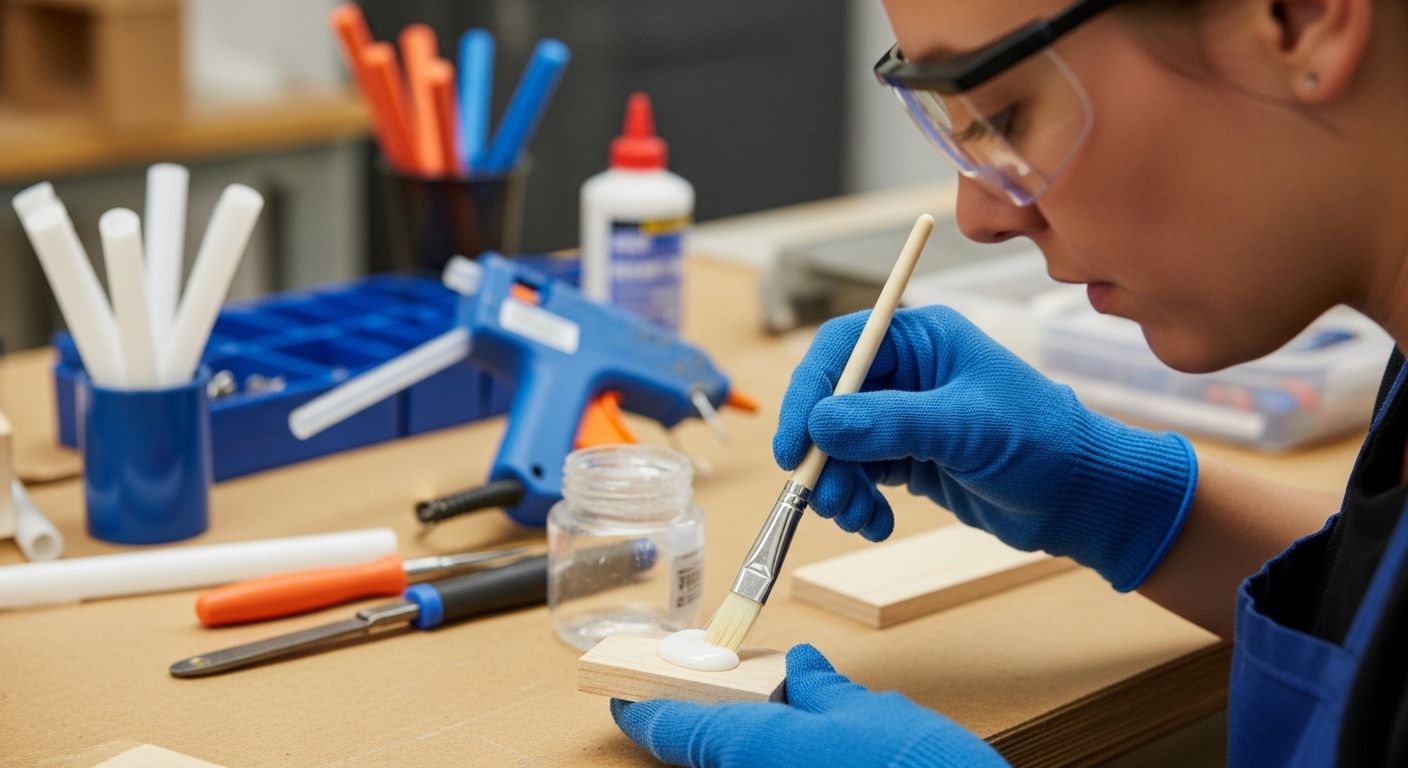
Using personal protective equipment is not optional when handling chemical solvents; it is a critical line of defense against injury. Direct contact with a hot melt adhesive remover can cause skin irritation, chemical burns, or severe eye damage. Inhaling fumes can also lead to respiratory distress. Equipping yourself with the right PPE minimizes these risks.
The specific PPE required can be found on the product's label or its MSDS, but a standard set of gear provides a strong baseline of protection for most common removers. Investing in quality, well-fitting PPE is a small price to pay for your long-term health and safety.
| Protective Gear | Purpose | Recommended Type |
|---|---|---|
| Eye Protection | Prevents splashes from entering the eyes. | Safety glasses with side shields or chemical splash goggles. |
| Hand Protection | Protects skin from direct chemical contact and irritation. | Chemical-resistant gloves (e.g., Nitrile or Butyl rubber). |
| Respiratory Protection | Filters out harmful vapors in poorly ventilated areas. | An NIOSH-approved respirator with organic vapor cartridges. |
Step-by-Step Guide to Safe Application
Once you have taken all the necessary precautions, the application process itself should be methodical and deliberate. Rushing the job can lead to spills, ineffective removal, or damage to your materials. Following a structured approach ensures both safety and the best possible results.
1. Surface Test: Before applying the hot melt remover to the entire area, test it on a small, inconspicuous spot first. This ensures the solvent will not discolor, warp, or otherwise damage the surface material.
2. Apply Sparingly: Use a cloth, cotton swab, or the applicator provided to apply a small amount of the remover directly onto the hot melt adhesive. Avoid oversaturating the area, as this can cause the chemical to spread to unintended surfaces.
3. Allow Dwell Time: Let the product sit for the duration recommended by the manufacturer. This "dwell time" allows the solvent to penetrate and break down the adhesive.
4. Gentle Removal: Once the adhesive has softened, use a plastic scraper or a soft cloth to gently lift it away. Avoid using sharp metal tools that could scratch the surface.
5. Clean the Surface: After the adhesive is removed, clean the area with a mild soap and water solution or an appropriate cleaner to remove any residual solvent.
6. Proper Disposal: Dispose of all used cloths, swabs, and empty containers according to local regulations for chemical waste. Do not throw solvent-soaked materials in the regular trash, as they may be a fire hazard.
To avoid damaging delicate surfaces, always use a plastic or nylon scraper instead of a metal one. For stubborn spots, reapply a small amount of remover and allow for additional dwell time rather than applying more force.
Alternative Solutions and Eco-Friendly Options
While commercial hot melt adhesive removers are effective, they are not always necessary or desirable. For those concerned about chemical exposure or environmental impact, several safer alternatives can effectively tackle hot melt adhesive. These methods often use common household items or physical processes instead of harsh solvents.
Thermal Methods (Heat and Cold)
Applying heat is a very effective way to soften hot melt adhesive. A heat gun on a low setting or a hairdryer can be used to gently warm the glue until it becomes pliable enough to be peeled or wiped away. Conversely, applying cold can make the adhesive brittle. Placing a small item in the freezer or applying an ice pack can make the glue hard enough to chip off easily.
Common Solvents
For many applications, a simple and widely available solvent is sufficient. Isopropyl alcohol (IPA) with a concentration of 90% or higher can effectively dissolve many types of hot melt glue. It is less aggressive than many commercial removers but should still be used with good ventilation and gloves.
Eco-Friendly and Natural Products
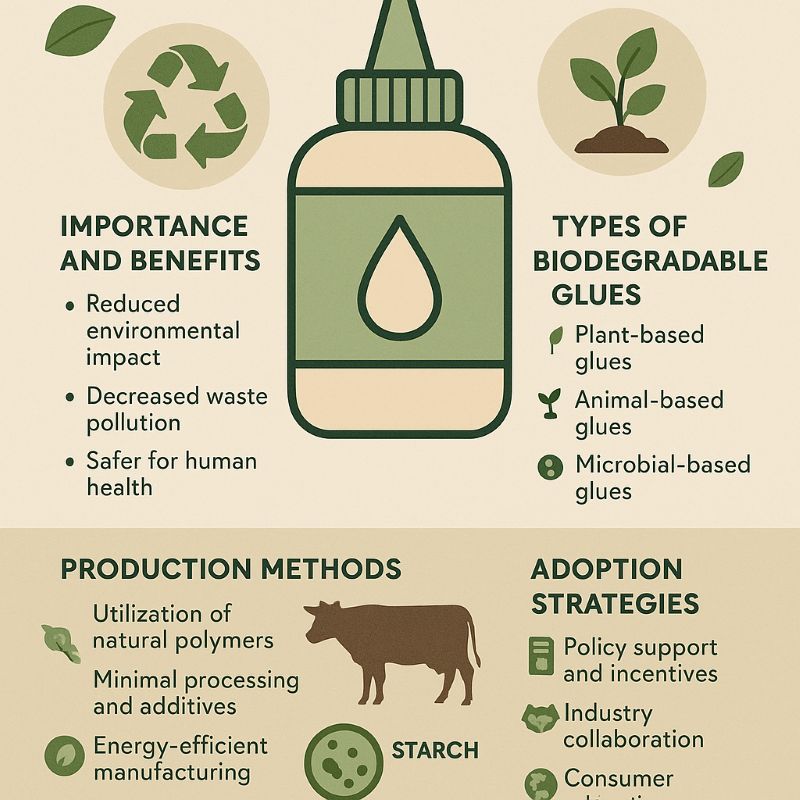
The market for green and biodegradable products continues to grow. Many removers are now available that use citrus or soy-based oils as their active ingredients. These are an excellent choice for users who prioritize low toxicity and environmental safety.
⚠️CAUTION
Fire Hazard Warning
Many adhesive removers and their alternatives, including isopropyl alcohol and solvent-based products, are highly flammable. Always ensure there are no open flames, sparks, or other ignition sources in the work area. Store these products in a cool, dark place away from heat.