



Table of Contents
- The Chemical Foundation: More Than Just Glue
- Performance Under Pressure: Durability and Resistance
- Application Guide: Matching the Adhesive to the Task
- Making the Right Choice: A Selection Checklist
- The Future of Adhesion: Trends for 2026 and Beyond
In a high-volume manufacturing facility, a critical component bond fails unexpectedly, causing a production line to halt and resulting in thousands of dollars in losses. The cause? An adhesive that couldn't withstand the operational heat. This scenario highlights a crucial distinction in the world of adhesives that is often overlooked: the vast difference between standard and high-performance hot melt. While they may look similar, their capabilities are worlds apart. As we navigate the industrial landscape of 2026, understanding this difference is not just a matter of preference but a critical factor for ensuring reliability, safety, and efficiency in any application, from industrial assembly to advanced DIY projects.
The Chemical Foundation: More Than Just Glue
The term "high-performance" is not merely a marketing label; it signifies a fundamental shift in the chemical makeup of the adhesive. Standard hot melts, typically based on Ethylene-vinyl acetate (EVA), are thermoplastic polymers. This means they can be repeatedly melted and cooled without undergoing a chemical change, making them ideal for general-purpose applications like packaging, crafts, and light assembly. Their bond is primarily physical.
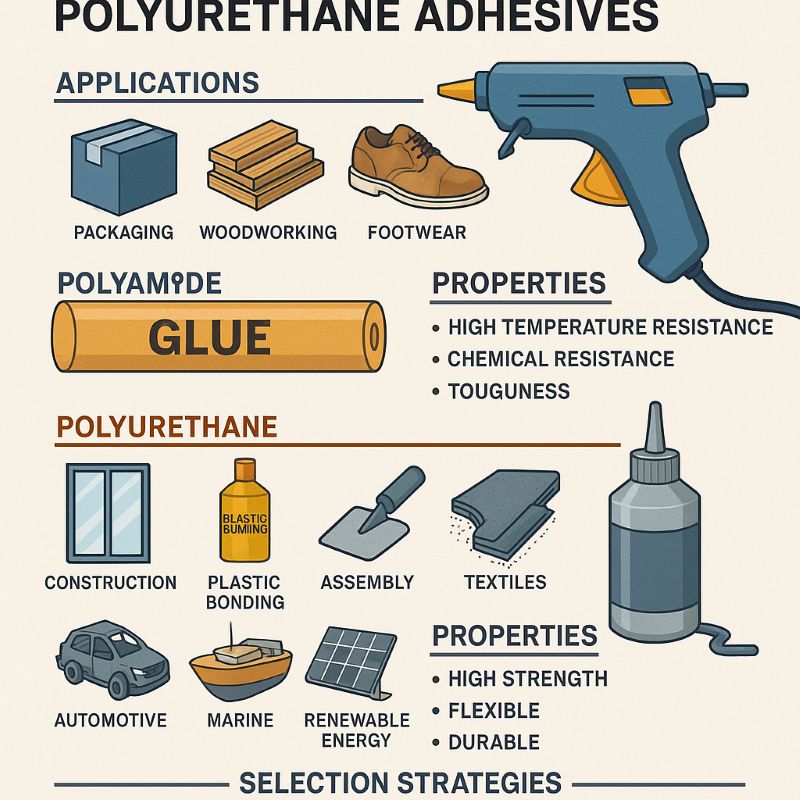
In contrast, high-performance hot melt adhesives are engineered with advanced polymers such as polyamides, polyolefins, or reactive polyurethanes (PUR). These formulations are designed to create a much stronger, more durable bond. PUR adhesives, for example, undergo a secondary curing process by reacting with moisture in the air. This reaction creates a cross-linked, thermoset bond that is significantly stronger and cannot be re-melted, offering superior structural integrity. This intrinsic chemical difference is the source of their enhanced capabilities in demanding environments.
💡KEY POINT
- Standard Hot Melt: Typically EVA-based, forms a physical bond, and is re-meltable (thermoplastic). Best for low-stress, general-purpose tasks.
- High-Performance Hot Melt: Uses advanced polymers (polyamides, PUR), often forms a chemical bond, and provides superior strength and durability.
- The Core Difference: The distinction lies in the chemical composition, which dictates the adhesive's ultimate performance, permanence, and resistance profile.
Performance Under Pressure: Durability and Resistance
The true test of an adhesive is its ability to maintain integrity under adverse conditions. This is where high-performance hot melt demonstrates its most significant advantages. While standard hot melts perform adequately at room temperature, their bonds can weaken or fail when exposed to environmental stressors.
The primary differentiator is resistance. High-performance hot melt adhesives are specifically formulated to withstand a wide range of challenges, including high and low temperature extremes, moisture, humidity, and chemical exposure. For instance, in automotive interior assembly or electronics manufacturing, components are regularly exposed to significant heat fluctuations. A standard EVA-based adhesive would soften and lose its bond strength, but a high-performance polyamide or PUR adhesive will remain stable and secure. This resilience ensures long-term reliability and prevents product failure, making it an essential choice for any application where durability is non-negotiable.
When evaluating an adhesive for a project, always consider the most extreme conditions the bond will face during its entire lifecycle, not just the initial application environment. Factoring in potential exposure to heat, cold, or moisture will guide you toward the correct adhesive type and prevent future failures.
Application Guide: Matching the Adhesive to the Task
Choosing the right hot melt adhesive is critical for achieving the desired outcome. The decision should be based on the specific demands of the application rather than cost or convenience alone. A clear understanding of where each type excels is essential for both industrial technicians and hobbyists.
Standard hot melts are the go-to solution for everyday, low-stakes tasks. They are perfect for crafts, cardboard packaging, temporary fixtures, and basic repairs on non-critical items. Their quick setting time and ease of use make them highly efficient for these purposes. However, for applications requiring structural strength, longevity, or resistance to harsh environments, a high-performance hot melt is the only viable option. These are used in demanding fields such as automotive assembly, electronics potting, construction, furniture manufacturing, and bookbinding, where bond failure can have serious safety and financial consequences.
| Feature | Standard Hot Melt | High-Performance Hot Melt |
|---|---|---|
| Primary Use | Crafts, Packaging, DIY | Industrial, Automotive, Electronics |
| Bond Strength | Moderate | High / Structural |
| Heat Resistance | Low | High |
| Environmental Resistance | Poor | Excellent |
Making the Right Choice: A Selection Checklist
Navigating the options between standard and high-performance hot melt can be simplified by asking a few key questions about your project. The initial cost of a high-performance adhesive may be higher, but this investment often prevents the far greater costs associated with bond failure, rework, and product recalls. This checklist provides a framework for making a well-informed decision.
Before selecting your adhesive, systematically evaluate the project requirements against these criteria. If your application answers "Yes" to any of these questions, a high-performance variant is strongly recommended. This proactive approach ensures that the adhesive bond will not be the weak link in your final product or repair. It's a choice that prioritizes long-term performance and reliability over short-term savings.
| Consideration | Question to Ask | Recommended Path |
|---|---|---|
| Environment | Will the bond face high heat, moisture, or chemicals? | Yes → High-Performance |
| Longevity | Is this a permanent, structural bond meant to last for years? | Yes → High-Performance |
| Substrates | Are the materials difficult to bond (e.g., plastics, metals)? | Yes → High-Performance |
| Stress Load | Will the bond be under significant physical stress or vibration? | Yes → High-Performance |
The Future of Adhesion: Trends for 2026 and Beyond
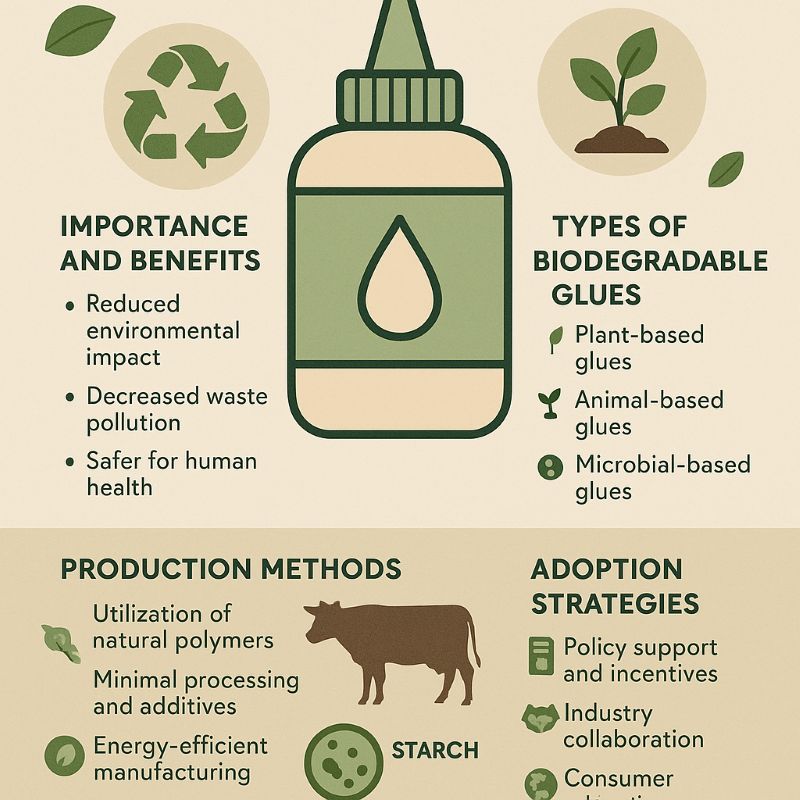
The world of adhesives is constantly evolving, driven by demands for greater performance, sustainability, and efficiency. Looking ahead to 2026 and beyond, several key trends are shaping the future of hot melt technology. A major focus is on the development of more sustainable, bio-based formulations that reduce environmental impact without compromising on strength. These next-generation adhesives aim to provide the power of high-performance bonding while using renewable resources.
Furthermore, innovation continues in reactive adhesive systems. We can expect to see PUR and other moisture-curing hot melts with faster cure times, lower application temperatures for heat-sensitive electronics, and enhanced flexibility. The push for lightweighting in the automotive and aerospace industries will also drive demand for adhesives that can create strong, durable bonds between dissimilar materials like composites and metals. As technology advances, the line between simple glue and engineered structural adhesive will become even more defined, making the right selection more critical than ever.
⚠️CAUTION
Using the wrong type of hot melt adhesive for a critical application can lead to more than just project failure. In industrial settings, it can result in safety hazards, regulatory non-compliance, and significant reputational damage. Always verify that your chosen adhesive meets all technical and safety specifications for its intended use.