



Table of Contents
- What Makes High-Performance Hot Melt Unique?
- Extreme Environments: The Real-Life Challenges
- Key Advantages Over Conventional Hot Melt
- Choosing the Right Hot Melt for Your Needs
- Future Trends and Applications in 2026
In modern manufacturing, a single point of failure can compromise an entire product. Imagine an automotive sensor dislodging due to engine heat and vibrations, or a critical electronic component failing from moisture ingress. These are not hypothetical scenarios; they are the daily challenges that drive the need for advanced bonding solutions. Standard adhesives often fall short when faced with such demanding conditions. This is where high-performance hot melt adhesives become indispensable, offering a level of resilience and reliability engineered specifically for the toughest jobs. As industries push the boundaries of design and durability in 2026, understanding this technology is no longer an option—it is a necessity.
What Makes High-Performance Hot Melt Unique?
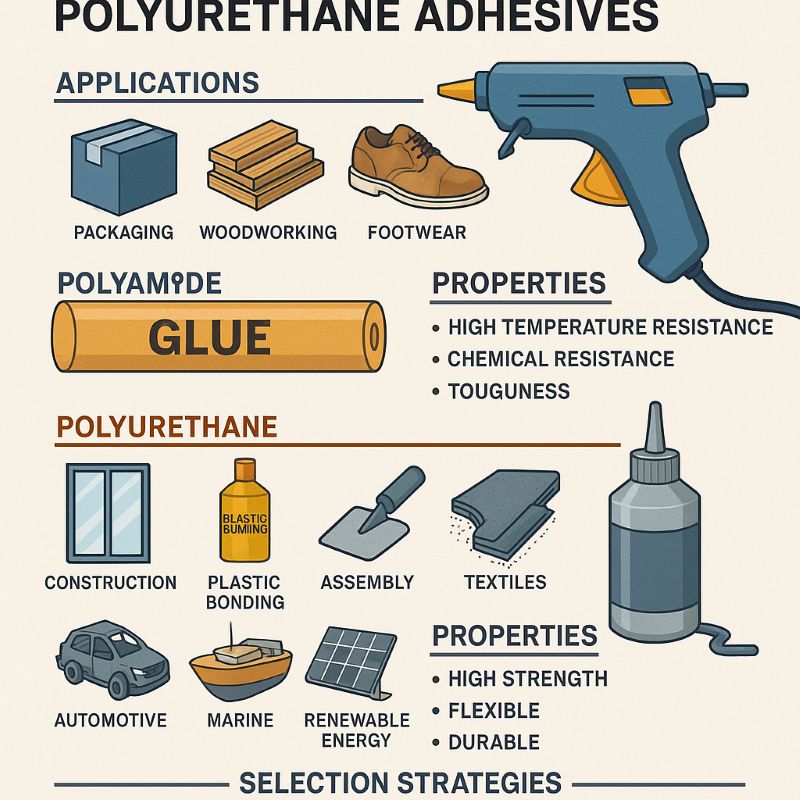
Unlike the general-purpose glue sticks found in craft stores, which are typically based on Ethylene-vinyl acetate (EVA), high-performance hot melt adhesives are formulated from advanced polymers like polyamide, polyester, or reactive polyurethanes (PUR). This fundamental difference in chemistry is what gives them their superior capabilities. They are not merely glues; they are engineered materials designed for structural bonding and long-term endurance.
The uniqueness of these adhesives lies in their carefully balanced properties. They provide exceptional bond strength that can often rival mechanical fasteners, while also offering resistance to a wide range of environmental factors. This includes thermal stability across extreme temperature cycles, robust resistance to chemicals like oils and solvents, and the ability to form durable bonds on difficult-to-adhere substrates such as low-surface-energy plastics and coated metals. Their versatility makes them a cornerstone technology in industries where failure is not an option.
💡KEY POINT
Core Characteristics of High-Performance Hot Melt
- Advanced Polymer Base: Formulated with materials like polyamide and polyurethane for superior strength and resilience.
- Exceptional Thermal Stability: Maintains bond integrity in both high-heat and freezing conditions where standard adhesives would fail.
- Superior Substrate Adhesion: Engineered to create strong, permanent bonds on a wide variety of materials, including metals, composites, and engineered plastics.
- High Environmental Resistance: Offers excellent durability when exposed to moisture, chemicals, and mechanical stress.
Extreme Environments: The Real-Life Challenges
The term "extreme environment" encompasses a broad spectrum of conditions that can compromise the integrity of a standard adhesive bond. High-performance hot melt is specifically engineered to thrive in these scenarios, ensuring product reliability and longevity. Understanding these challenges is the first step in appreciating the value of an advanced adhesive solution.
Key environmental challenges include:
- Extreme Temperatures: Many applications, from automotive under-hood components to industrial machinery, involve service temperatures that can range from -40°C to over 150°C. High-performance formulations are designed to resist softening at high temperatures and embrittlement at low temperatures.
- Mechanical Stress and Vibration: In transportation and electronics, components are subjected to constant vibration, shock, and flexural stress. A high-performance bond must absorb these forces without cracking or delaminating.
- Moisture and Chemical Exposure: Products intended for outdoor use, industrial settings, or within sealed enclosures must withstand humidity, water ingress, and contact with oils, greases, and cleaning agents. These adhesives create a durable, often sealed, barrier.
- High-Stakes Applications: Beyond environmental factors, some applications are "extreme" due to the critical nature of the bond itself, such as in the assembly of medical devices or high-value electronics, where bond failure would have significant consequences.
To determine if your application requires a high-performance adhesive, ask these questions: Will the bond be exposed to temperatures outside the 0-60°C range? Will it experience constant vibration or impact? Is there a risk of exposure to moisture or chemicals? If the answer to any of these is yes, a high-performance solution is likely necessary.
Key Advantages Over Conventional Hot Melt
The decision to upgrade from a conventional hot melt to a high-performance variant is driven by clear, measurable advantages in strength, durability, and application range. While standard EVA-based hot melts are excellent for general-purpose tasks like packaging and light assembly, they lack the robustness required for demanding industrial applications. High-performance hot melt adhesives are engineered to fill this gap, providing a bond that lasts under stress.
The primary distinction lies in performance under duress. For example, in automotive assembly, a high-performance polyamide hot melt can be used to bond interior trim components that must withstand decades of temperature fluctuations and vibrations without rattling or detaching. In electronics, a PUR hot melt can encapsulate and protect sensitive components from moisture and shock, a task far beyond the capability of a standard adhesive. This elevated performance translates directly into higher product quality, fewer field failures, and enhanced brand reputation.
| Feature | Standard Hot Melt (e.g., EVA) | High-Performance Hot Melt |
|---|---|---|
| Temperature Resistance | Low to Moderate | Excellent (-40°C to +150°C) |
| Bond Strength | Good for Porous Substrates | Exceptional (Structural Strength) |
| Chemical Resistance | Limited | High (Resists Oils, Solvents) |
| Durability & Longevity | Suitable for Short-Term Use | Designed for Long-Term Reliability |
Choosing the Right Hot Melt for Your Needs
Selecting the correct high-performance hot melt adhesive is a critical process that requires a thorough analysis of the application's specific demands. A mismatch between the adhesive's properties and the environmental conditions can lead to bond failure. A systematic approach ensures that you choose a solution that is both effective and efficient.
Analyze the Service Environment
First, define the full range of conditions the bond will experience throughout its life. This includes the minimum and maximum temperatures, potential exposure to water or humidity, and contact with any chemicals, oils, or solvents. This analysis will narrow down the required chemical base, whether it's a polyamide for heat resistance or a PUR for flexibility and moisture cure.
Identify Substrates and Stresses
Next, identify the materials you are bonding. Are they similar or dissimilar? Are they porous like wood or non-porous like metal or plastic? The adhesive must have excellent affinity for these specific substrates. Additionally, consider the types of stress the bond will face—is it shear, peel, or tensile stress? Will it be subjected to constant vibration or sudden impacts?
Define Application Process Requirements
Finally, consider the manufacturing process. The adhesive’s open time (the window during which a bond can be made) and set time (how long it takes to solidify) must align with your production line speed. The viscosity of the hot melt must also be compatible with your dispensing equipment, whether it's an automated system or a manual applicator.
| Consideration | Key Question | Example |
|---|---|---|
| Operating Temperature | What is the min/max service temperature? | -40°C to 150°C for an automotive sensor. |
| Substrate Type | Are you bonding similar or dissimilar materials? | Bonding aluminum to a composite panel. |
| Mechanical Load | What types of stress will the bond endure? | Constant vibration in an industrial motor assembly. |
| Curing Requirements | How quickly does the bond need to reach handling strength? | High-speed packaging line requiring a 2-second set time. |
Future Trends and Applications in 2026
Looking ahead to 2026, the demand for high-performance hot melt adhesives is set to accelerate, driven by innovation in key sectors. As products become more complex, lightweight, and durable, the role of advanced adhesives expands from a simple joining method to a critical enabling technology. The trend is moving towards solutions that not only bond but also add functional value, such as sealing, vibration dampening, and thermal management.
Major growth areas include:
- Electric Vehicles (EVs): The shift to EVs creates immense demand for adhesives in battery pack assembly, where they are used for bonding cells, thermal management, and providing structural integrity. Lightweighting vehicle bodies by bonding dissimilar materials like composites and aluminum also relies heavily on these adhesives.
- Advanced Electronics: The proliferation of IoT devices, wearables, and miniaturized sensors requires adhesives that can provide robust, micro-scale bonds while protecting sensitive electronics from environmental hazards.
- Sustainable Packaging: High-performance hot melts are being developed with bio-based content and improved recyclability, enabling manufacturers to create durable, high-stress packaging that also meets sustainability goals.
- Specialty Applications: Niche but demanding fields continue to adopt this technology. In high-performance sports equipment, for instance, hot melts are used inside golf club heads to fine-tune weight and dampen vibration, showcasing their versatility beyond traditional industrial use.
⚠️CAUTION
Testing is Non-Negotiable
While a technical data sheet provides a strong starting point, it cannot replicate the unique combination of substrates, stresses, and environmental conditions of your specific application. Always conduct thorough real-world testing to validate adhesive performance before committing to mass production.