


Table of Contents
- Discovering High-Performance Hot Melts
- Key Material Benefits by Application
- Selecting the Right Hot Melt for Demanding Uses
- Best Practices for Hot Melt Application Success
- Future Trends in Hot Melt Adhesive Solutions
As industries in 2026 push the boundaries of design and durability, from lightweight automotive composites to intricate microelectronics, the demand for adhesives that can withstand extreme conditions has never been higher. Standard adhesives often fail under the stress of high temperatures, chemical exposure, or intense vibrations. This is where high-performance hot melt adhesives emerge as a critical enabling technology. Unlike common craft-store glue sticks, these are highly engineered formulations designed to create resilient, long-lasting bonds in the most challenging manufacturing environments, offering solutions that are as robust as they are versatile.
Discovering High-Performance Hot Melts 🔬
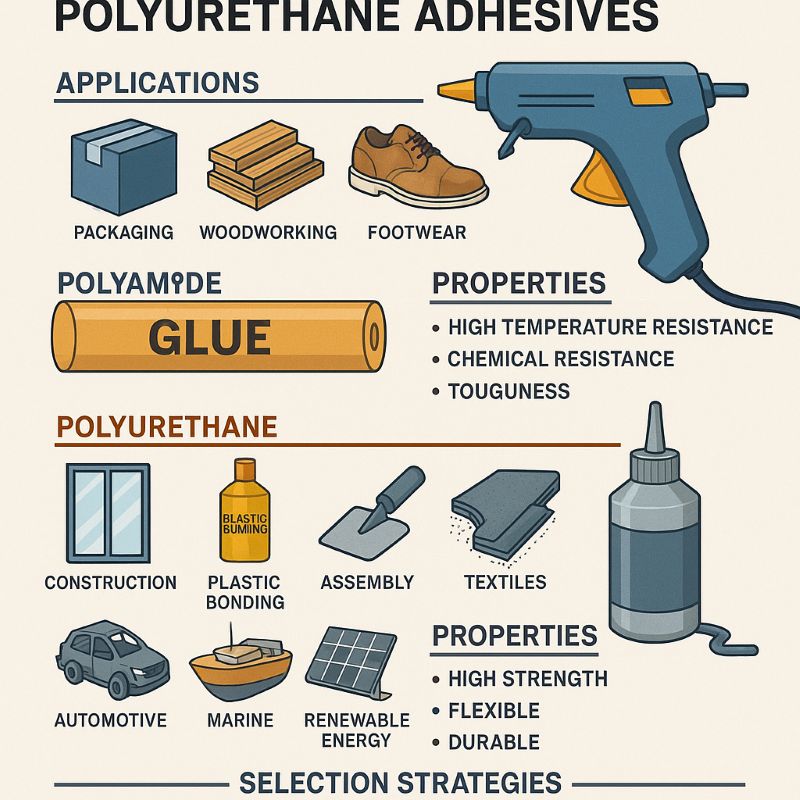
High-performance hot melt adhesives are a specialized class of thermoplastic adhesives engineered to provide superior bonding strength, durability, and resistance compared to conventional hot melts. While standard adhesives, often based on Ethylene-vinyl acetate (EVA), are suitable for general-purpose applications, high-performance variants are formulated from advanced polymers like polyamides, polyesters, or reactive polyurethanes (PUR). This chemical distinction is key to their enhanced capabilities. They are specifically designed for "extreme" environments where a standard bond would simply snap or melt away. This includes applications involving high heat, freezing cold, or chemical exposure. Their primary function is to provide structural-level adhesion and maintain integrity under mechanical stress, making them indispensable in modern industrial assembly.
| Feature | Standard Hot Melt | High-Performance Hot Melt |
|---|---|---|
| Primary Polymer | EVA (Ethylene-vinyl acetate) | Polyamide, Polyester, PUR |
| Temperature Resistance | Low to Moderate | High (often >150°C) |
| Bond Strength | Good for general use | Excellent, often structural |
| Chemical Resistance | Limited | High |
| Common Use Case | Packaging, crafts, light assembly | Automotive, electronics, industrial |
Key Material Benefits by Application 🏭
The true value of a high-performance hot melt adhesive is revealed in its application-specific benefits across diverse industries. Each sector leverages these adhesives to solve unique challenges, pushing the limits of production efficiency and product durability. In the automotive industry, they are crucial for bonding interior trim, headliners, and electronic modules, providing excellent vibration damping and resistance to extreme temperature fluctuations inside a vehicle. For electronics assembly, their low-viscosity and fast-setting properties are ideal for encapsulating sensitive components (potting) and securing wires, protecting them from moisture and physical shock. In high-speed packaging, these adhesives ensure that cartons and cases remain sealed through rigorous shipping and handling conditions. Even in woodworking and furniture manufacturing, they provide strong, heat-resistant bonds for edge banding and profile wrapping that far exceed the capabilities of standard glues.
💡KEY POINT
- Automotive: High resistance to vibration and temperature extremes for interior components.
- Electronics: Superior protection for sensitive components through potting and encapsulation.
- Packaging: Reliable, high-strength seals for demanding logistics and supply chains.
- Woodworking: Durable, heat-resistant bonds for furniture and structural elements.
Selecting the Right Hot Melt for Demanding Uses 🎯
Choosing the correct high-performance hot melt is a critical decision that directly impacts product quality and longevity. The selection process must go beyond simple adhesion and consider a trifecta of factors: the substrate, the environment, and the performance requirements. First, identify the materials being bonded. Is it a low-surface-energy plastic, a metal, or a porous wood composite? Formulations like polyamides excel at bonding to engineered plastics and metals, while PUR hot melts offer exceptional versatility across a wide range of substrates. Second, analyze the operational environment. Will the bond be exposed to moisture, UV radiation, oils, or extreme temperatures? This will determine the required level of chemical and thermal resistance. Finally, define the performance needs. Does the application require a rigid, structural bond or a flexible one that can withstand repeated movement? Some specialized uses, such as adding weight to golf club heads or bonding components in archery arrows, demand unique viscosity and hardness characteristics.
To ensure you select the optimal adhesive, create a checklist:
- Substrates: List all materials to be bonded.
- Temperature Range: Define the minimum and maximum service temperatures.
- Chemical Exposure: Note any oils, solvents, or cleaning agents the bond will encounter.
- Mechanical Stress: Describe the type of force (e.g., peel, shear, impact) the bond must endure.
- Curing Time: Specify the required open time and set time for your production line.
Best Practices for Hot Melt Application Success ✅
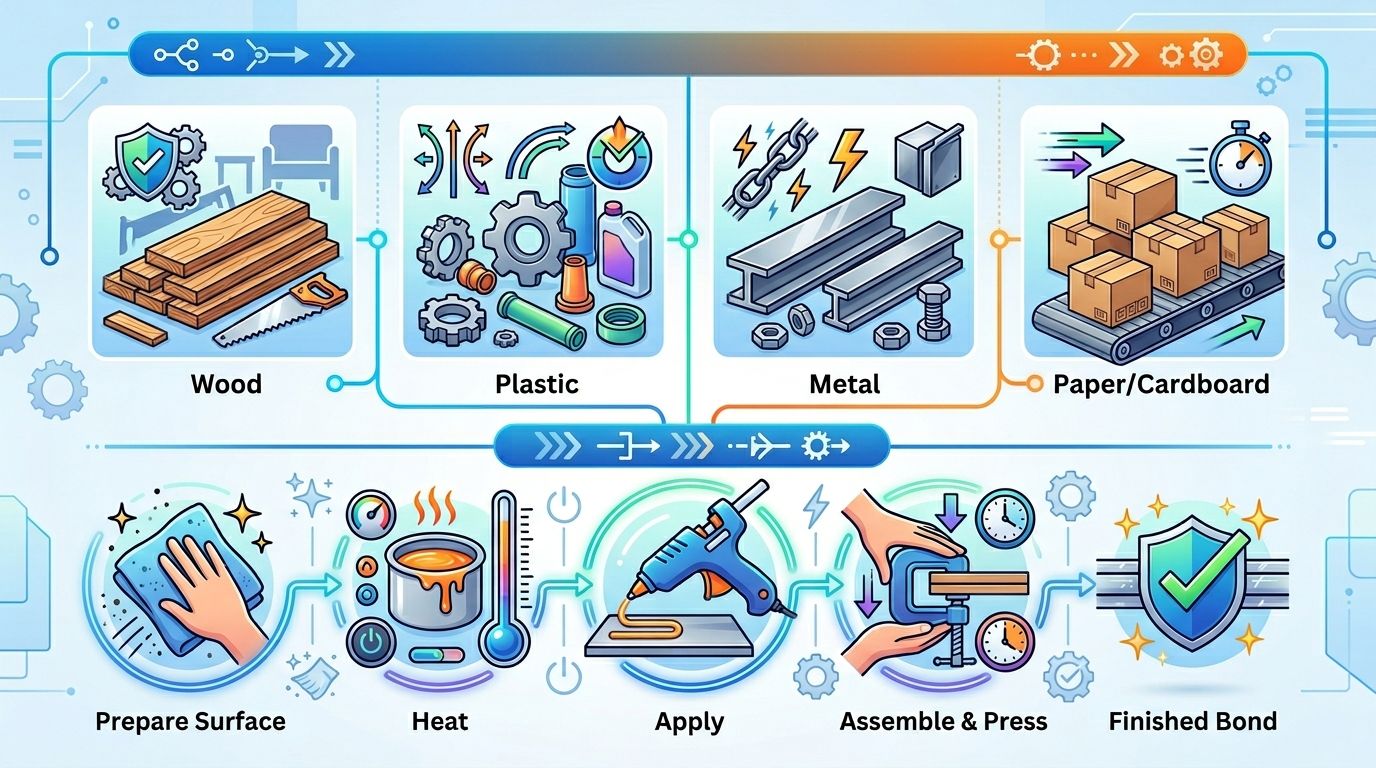
Achieving a flawless, reliable bond with high-performance hot melt adhesives depends heavily on proper application techniques. Even the most advanced formulation can fail if not applied correctly. The first and most critical step is surface preparation. Substrates must be clean, dry, and free of any contaminants like oil, dust, or mold release agents. For non-porous surfaces, a light abrasion or chemical primer may be necessary to promote adhesion. Next is process control. Maintaining the adhesive at the correct application temperature, as specified by the manufacturer, is essential. Temperatures that are too low will result in poor wetting and a weak bond, while temperatures that are too high can degrade the polymer, causing charring and reducing performance. Ensuring consistent bead size and applying adequate compression during the open time are also vital for creating a strong, void-free bond line.
| Common Issue | Potential Cause | Solution |
|---|---|---|
| Weak Bond | Incorrect temperature; Contaminated surface | Verify applicator temperature; Clean substrates thoroughly |
| Stringing/Tailing | Application temperature is too low | Increase applicator temperature in small increments |
| Charring/Discoloration | Temperature is too high; Contaminants in tank | Reduce temperature; Clean tank and use fresh adhesive |
| Poor Wetting | Insufficient pressure; Adhesive cooled too fast | Increase compression; Reduce distance between nozzle and substrate |
Future Trends in Hot Melt Adhesive Solutions 🌐
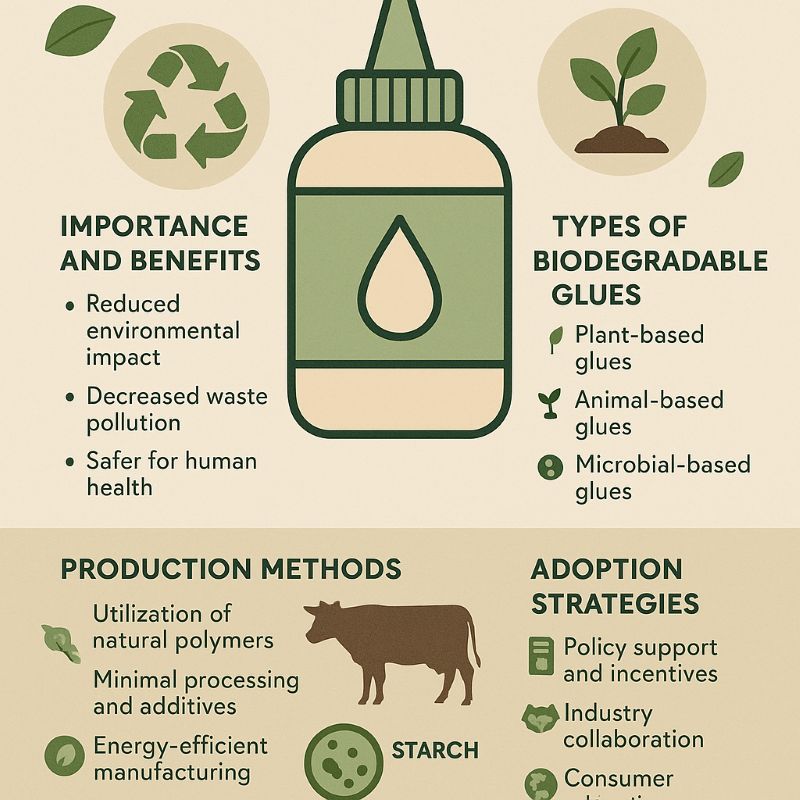
Looking ahead to 2026 and beyond, the evolution of high-performance hot melt technology is set to accelerate, driven by demands for greater sustainability and compatibility with advanced materials. One of the most significant trends is the development of bio-based hot melts. These innovative formulations are derived from renewable resources, reducing the industry's reliance on fossil fuels and lowering the overall carbon footprint of manufactured goods. Another key area of innovation is the creation of adhesives with enhanced performance characteristics, such as higher thermal conductivity for electronics or improved flexibility at cryogenic temperatures for aerospace applications. As industries continue to adopt new composites, lightweight alloys, and recycled plastics, the need for specialized adhesives that can reliably bond these next-generation materials will only grow. The future of high-performance adhesives lies in creating smarter, more sustainable, and more versatile bonding solutions.
💡KEY POINT
- Sustainability: A growing focus on bio-based and renewable raw materials.
- Enhanced Performance: Development of adhesives with specialized properties like thermal conductivity.
- New Material Compatibility: Formulations designed to bond next-generation composites and recycled plastics.