


Table of Contents
- High-Performance Hot Melt: What Sets It Apart?
- Standard Hot Melt Adhesives: Pros and Limitations
- Key Features of High-Performance Hot Melt
- Choosing the Right Hot Melt for Your Needs
- Case Studies: Real-World Applications and Results
In the world of industrial manufacturing, not all adhesives are created equal. While a standard glue stick from a craft store is perfect for simple projects, it would fail catastrophically if used to assemble the interior of a car or seal sensitive electronic components. This is where a specialized category of bonding agents comes into play. High-performance hot melt adhesives are not just stronger versions of their standard counterparts; they are sophisticated materials engineered to withstand extreme conditions. Understanding the distinction is crucial for any professional aiming to enhance product quality, durability, and manufacturing efficiency in 2026.
High-Performance Hot Melt: What Sets It Apart?
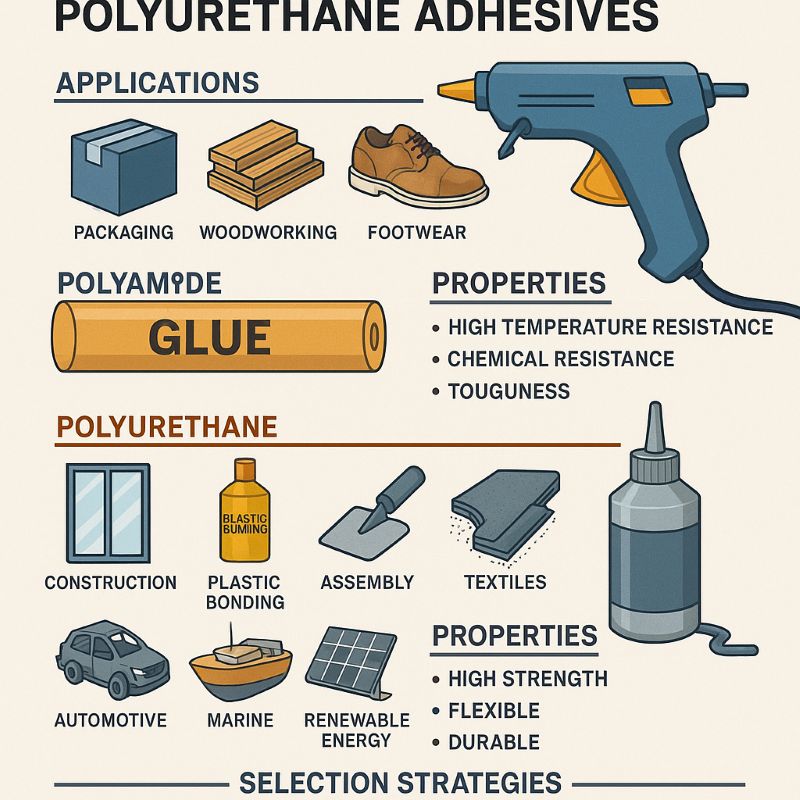
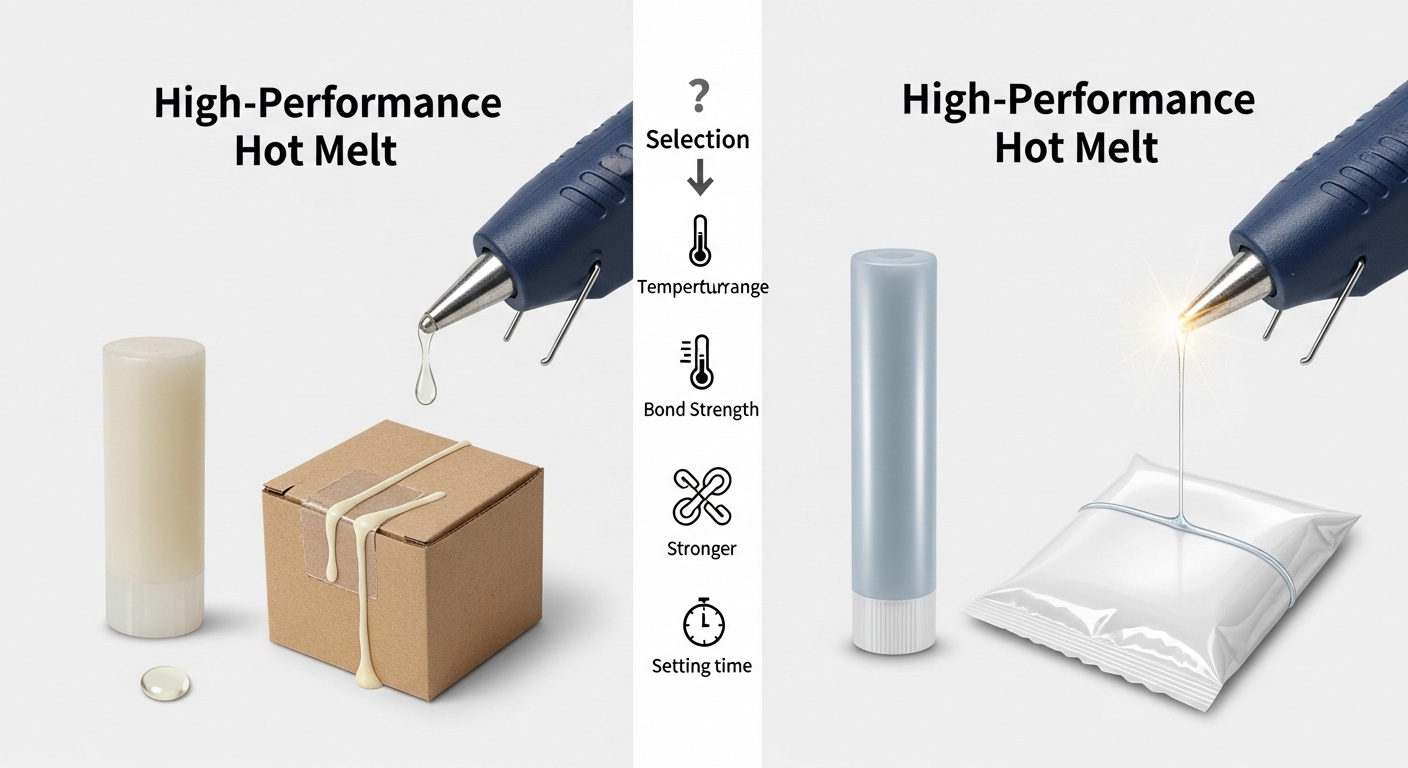
High-performance hot melt is a specialized category of thermoplastic adhesive engineered for demanding industrial assembly where standard adhesives would fall short. Unlike general-purpose glues, these formulations are designed to provide superior bonding strength, thermal stability, and chemical resistance. They are the unseen workhorses in countless high-stakes applications, from automotive manufacturing to aerospace engineering. The fundamental difference lies in their chemical composition. While standard hot melts often rely on simpler polymers like Ethylene-vinyl acetate (EVA), high-performance variants are based on advanced polymers such as polyamides (PA), polyesters, and reactive urethanes (PUR). This advanced chemistry allows them to form incredibly resilient bonds on "difficult" substrates that standard adhesives cannot grip effectively, including metals, glass, and engineered plastics.
| Feature | Standard Hot Melt | High-Performance Hot Melt |
|---|---|---|
| Primary Use | General packaging, crafts, light assembly | Demanding industrial, automotive, electronics |
| Bond Strength | Moderate | Very High / Structural |
| Temperature Resistance | Low to Moderate | High (often -40°C to 150°C+) |
| Substrate Compatibility | Porous materials (paper, wood) | Wide range, including non-porous metals, plastics |
Standard Hot Melt Adhesives: Pros and Limitations
Standard hot melt adhesives, typically EVA-based, are widely used for good reason. They are cost-effective, easy to apply, and set very quickly, making them ideal for high-speed production lines in industries like packaging, woodworking, and product assembly. Their rapid bonding time is a significant advantage for applications where immediate handling is necessary. For bonding cardboard, paper, and other porous materials in a stable, indoor environment, standard hot melts provide a reliable and economical solution.
However, their limitations become apparent when conditions become more challenging. Standard hot melts often fail when exposed to elevated temperatures, chemicals, or significant mechanical stress. A sealed box left in a hot delivery truck might see its adhesive soften and fail. A component exposed to cleaning solvents could lose its bond integrity. This vulnerability in demanding environments is the primary reason engineers and product designers look to more robust alternatives.
💡KEY POINT
Standard Hot Melt: A Snapshot
- Pros: Fast setting time, low cost, easy application, good for porous materials.
- Cons: Poor resistance to high temperatures, limited chemical resistance, lower bond strength, not suitable for critical or structural applications.
Key Features of High-Performance Hot Melt
The "high-performance" label is earned through a set of superior characteristics derived from advanced polymer science. These features ensure reliability where failure is not an option.
Superior Thermal Stability
Perhaps the most critical feature is the ability to maintain bond integrity across a wide temperature range. Formulations based on polyamides or reactive polyurethanes can often withstand service temperatures from as low as -40°C to over 149°C. This makes them essential for automotive under-hood components, electronic devices that generate significant heat, and products shipped through extreme climates.
Enhanced Chemical and Moisture Resistance
High-performance hot melts are engineered to resist degradation from exposure to oils, solvents, and moisture. This is vital in applications like sealing electronic enclosures to protect them from the elements or bonding components that will be exposed to industrial cleaning agents.
Exceptional Bond Strength and Durability
These adhesives create bonds that are not only strong but also durable and flexible. They can withstand vibration, impact, and repeated mechanical stress without cracking or failing. This makes them suitable for structural bonding applications in furniture, construction, and durable goods manufacturing, where long-term performance is paramount.
When evaluating a high-performance hot melt, always request a Technical Data Sheet (TDS). Pay close attention to the service temperature range, peel strength, and chemical compatibility list to ensure the adhesive's properties align with your application's specific environmental stresses.
Choosing the Right Hot Melt for Your Needs
Selecting the correct adhesive is a critical decision that impacts product quality and manufacturing costs. A simple evaluation of the application's requirements can quickly guide you to the right choice. The primary consideration should always be the end-use environment of the product. Ask questions like: Will the product be exposed to extreme heat or cold? Will it come into contact with chemicals or moisture? What level of physical stress will the bond need to endure? Answering these questions will clarify whether a standard adhesive is sufficient or if a high-performance solution is necessary. Over-engineering with a high-performance adhesive can add unnecessary cost, while under-engineering can lead to product failure.
| Factor to Consider | Standard Hot Melt | High-Performance Hot Melt |
|---|---|---|
| Operating Temperature | Best for stable, room-temperature environments | Essential for exposure to high heat or deep cold |
| Substrate Type | Ideal for paper, cardboard, wood | Required for metals, glass, engineered plastics |
| Chemical Exposure | Not recommended | Designed to resist oils, solvents, and moisture |
| Mechanical Stress | Suitable for static, low-load applications | Built for vibration, impact, and structural loads |
Case Studies: Real-World Applications and Results
The impact of choosing the right hot melt is best illustrated through real-world scenarios. In these examples, a high-performance adhesive is not a luxury but a necessity for product success.
Automotive Assembly
A manufacturer of automotive interior components needs to bond fabric to a plastic door panel. A standard hot melt might seem adequate initially, but the inside of a car can reach extreme temperatures when parked in the sun. A standard adhesive would soften, causing the fabric to peel and sag. By using a high-performance polyamide hot melt, the bond remains secure even at temperatures exceeding 120°C, ensuring the vehicle's interior quality and longevity.
Electronics Encapsulation
An electronics company is producing a sensor for outdoor use. The sensitive circuitry must be protected from moisture, vibration, and temperature fluctuations. A high-performance reactive urethane (PUR) hot melt is used to encapsulate the circuit board. It creates a permanent, waterproof seal that also absorbs shock and vibration, guaranteeing the sensor's reliability in harsh weather conditions for years. In this case, the adhesive is a core component of the product's functional design.
💡KEY POINT
The right adhesive choice is not a minor detail; it is fundamental to product longevity, safety, and performance. High-performance hot melt is an investment in quality that pays off in reduced failures and enhanced product value. As of 2026, these advanced materials continue to be a key enabler of innovation across industries, proving that they are far more than just "strong glue."