


Table of Contents
- Polymer Requirements
- Polymer Comparison
- Selection Process
- EVA Limitations
- Practical Applications
- 2026 Industry Trends
When engineering products for extreme environments, standard bonding solutions often fail under thermal stress. Selecting a proper high temperature resistant hot melt adhesive polymer is critical for ensuring structural integrity. By understanding the chemical structure and thermal limits of specific materials, manufacturers can design durable products that withstand severe conditions. This guide explores the essential criteria for choosing advanced polymers that maintain strong bonds in demanding industrial applications.
Polymer Requirements 🌡️
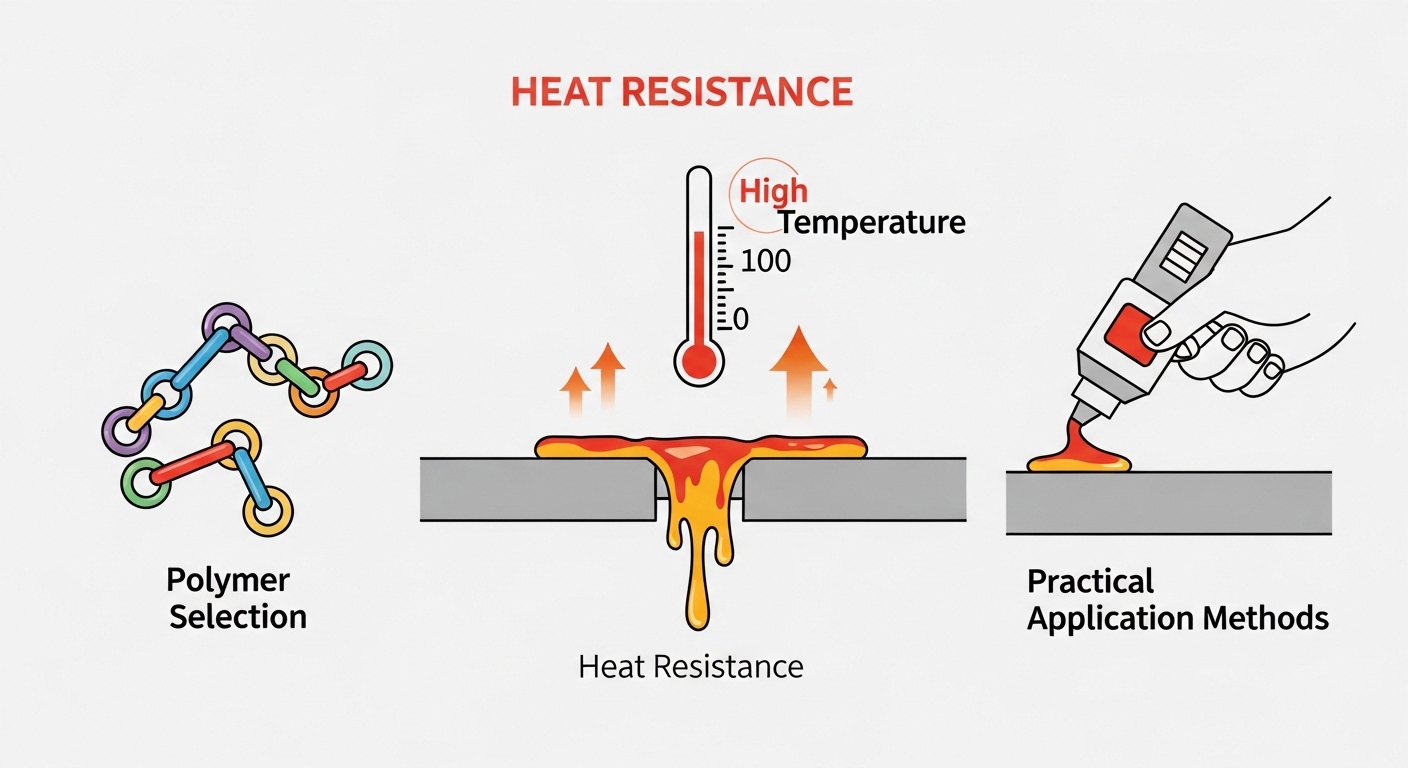
The foundation of any robust thermal bonding solution lies in its physical properties. The primary goal is to identify materials with a high softening point and an elevated glass transition temperature. These metrics dictate how a material behaves under continuous heat.
A high glass transition temperature ensures the polymer remains rigid rather than transitioning into a rubbery form. This rigidity prevents thermal creep, which is a progressive deformation under sustained mechanical stress.
| Property | Description | Target Value |
|---|---|---|
| Softening Point | Temperature where material flows | Above peak heat |
| Glass Transition | Shift from rigid to rubbery state | High enough to stop creep |
| Thermal Stability | Resistance to degradation | Sustained performance |
Polymer Comparison 🔍
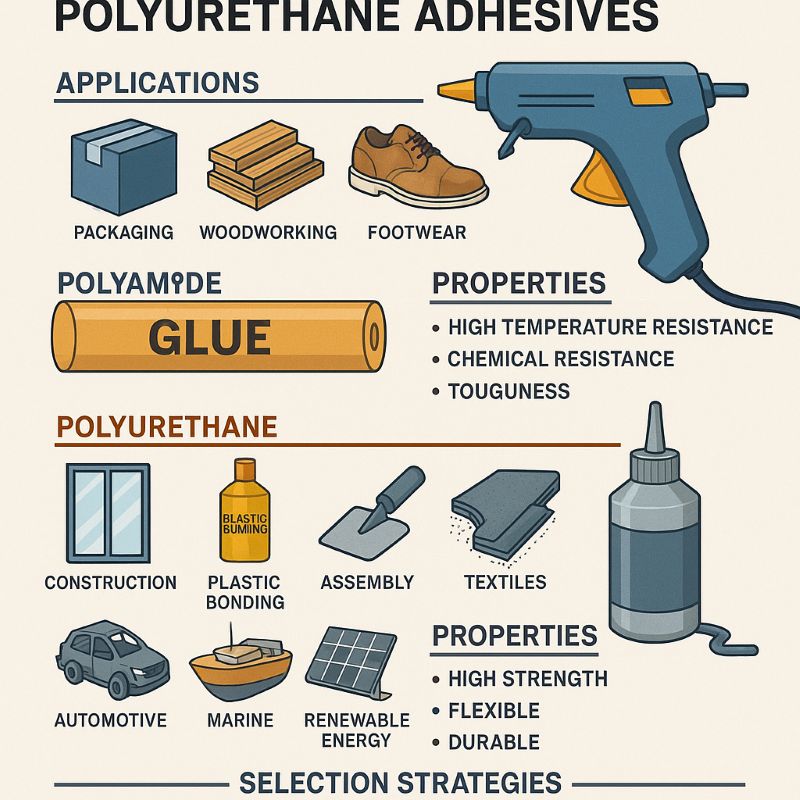
Not all advanced materials offer the same thermal endurance. Polyamides provide excellent heat resistance, making them suitable for fluctuating temperatures. Their strong intermolecular forces give them superior mechanical strength.
Reactive polyurethanes provide a unique mechanism. Through a moisture-curing process, they form permanent chemical crosslinks. This structural transformation enhances their resistance to extreme heat, making them ideal for rigorous manufacturing.
- Polyamides offer robust stability through strong intermolecular forces.
- Reactive polyurethanes form permanent crosslinks for superior heat resistance.
- Polyesters provide a reliable alternative with solid high-temperature performance.
Selection Process 📋
Choosing the right material requires a systematic approach. The first step involves defining the exact service temperature range, including continuous operating heat and short-term thermal spikes. Engineers must also consider substrate materials, as polymers exhibit varying adhesion characteristics.
Practical testing is essential. Evaluating the adhesive under simulated conditions ensures the chosen material performs reliably. This phase helps identify issues with thermal expansion mismatches between the adhesive layer and rigid substrates.
| Phase | Action Required | Key Consideration |
|---|---|---|
| Assessment | Define thermal parameters | Continuous vs peak heat |
| Screening | Match polymer to substrate | Surface compatibility |
| Validation | Conduct simulated testing | Thermal creep stress |
EVA Limitations ⚠️
While ethylene-vinyl acetate is widely used, it possesses significant thermal limitations. This standard material lacks the thermal stability required for high-heat environments. When exposed to temperatures above 60 to 80 degrees Celsius, it becomes prone to softening.
Relying on this basic polymer results in premature bond failure. The molecular structure cannot withstand sustained thermal energy. Therefore, engineers must seek alternative polymer solutions for elevated temperature exposure.
Using standard ethylene-vinyl acetate in high-heat environments causes rapid structural creep. Always opt for specialized advanced polymers when thermal stability is required.
Practical Applications 🏭
Implementing advanced thermal adhesives requires attention to the manufacturing environment. In the automotive sector, components near the engine demand materials that endure constant radiant heat. By utilizing reactive polyurethanes, manufacturers ensure electronic housings remain sealed.
In electronics, internal devices generate significant heat. Polyamides are deployed to secure components, preventing movement and maintaining reliable electrical insulation. Understanding specific thermal dynamics ensures the adhesive performs flawlessly.
Always preheat metallic substrates slightly before applying a high temperature resistant hot melt adhesive polymer to maximize the final mechanical bond strength.
2026 Industry Trends 📈
As we navigate through 2026, the demand for extreme thermal bonding solutions continues to accelerate. The expansion of high-performance electric vehicles drives the need for materials with higher thermal thresholds. Researchers are developing novel blends that push the boundaries of traditional softening points.
Furthermore, sustainability initiatives in 2026 are influencing polymer formulation. The industry is witnessing a shift toward bio-based polyamides that maintain exceptional thermal stability while reducing environmental impact. These advancements ensure engineers have robust, eco-friendly bonding solutions.