


Table of Contents
- Key Factors Driving Hot Melt Adhesive Costs
- Navigating Price Tiers by Adhesive Form
- Application-Specific Adhesive Selection
- 2026 Market Outlook and Cost-Saving Strategies
- A Practical Purchasing Checklist
Imagine two production facilities operating side-by-side. One rapidly seals thousands of cardboard boxes for shipping, while the other meticulously bonds sensitive electronic components. Both use hot melt adhesive technology, yet their expenditure on these materials differs by an order of magnitude. This vast price disparity isn't arbitrary; it's driven by a complex interplay of chemistry, performance requirements, and purchasing scale. Understanding these variables is crucial for anyone from a B2B purchasing manager optimizing a supply chain to a craft enthusiast choosing the right glue stick. This guide will demystify the pricing structure of hot melt adhesives in 2026, empowering you to make informed, cost-effective decisions tailored to your specific needs.
Key Factors Driving Hot Melt Adhesive Costs
The price of a hot melt adhesive is not a single, fixed number but a dynamic figure influenced by several critical factors. The most significant drivers are the base polymer chemistry, required performance characteristics, and the volume of the purchase. These elements work together to create a wide spectrum of pricing, from economical bulk materials to high-cost specialty formulations.
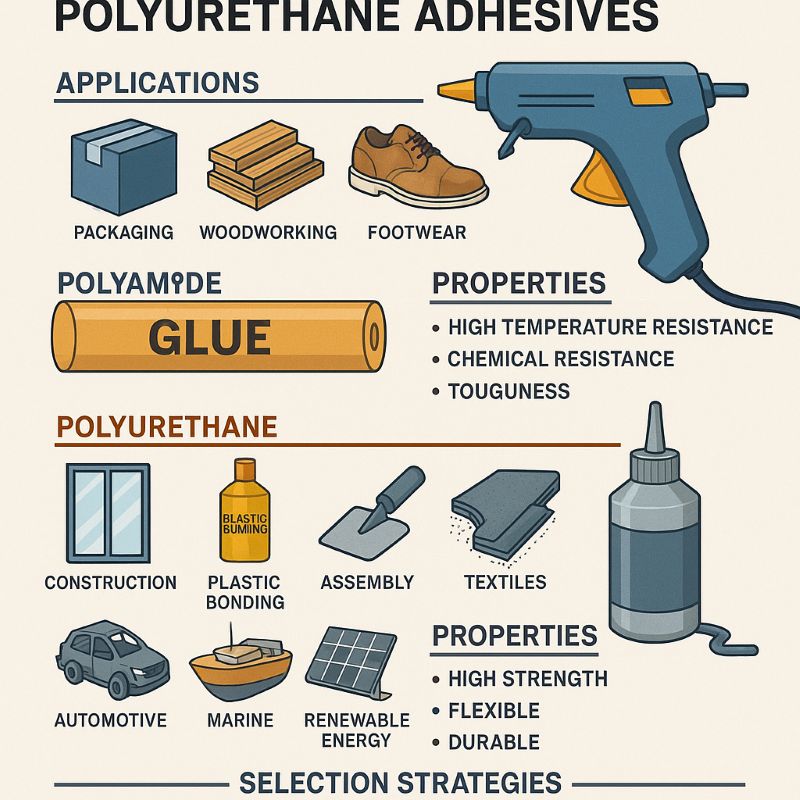
The foundational element is the base polymer. General-purpose adhesives, often based on Ethylene-vinyl acetate (EVA), are the most common and cost-effective, suitable for standard applications like packaging and assembly. In contrast, adhesives formulated with advanced polymers like polyamides or polyurethanes (PUR) command a premium. These are engineered for demanding applications requiring superior heat resistance, chemical durability, or flexibility, and their complex manufacturing process is reflected in the price.
Performance features add another layer to the cost structure. An adhesive's specific properties—such as open time (the window to bond parts), set speed, viscosity, and thermal stability—are fine-tuned for particular tasks. For example, an adhesive that can withstand extreme temperatures or bond to difficult, low-energy surfaces will be significantly more expensive than a standard formulation. Finally, purchase volume is a universal pricing factor. Buying in bulk, such as in large totes or drums of pellets, dramatically reduces the cost per kilogram compared to purchasing individual sticks or small bags.
💡KEY POINT
- Base Polymer: The chemical foundation (e.g., EVA, polyamide, PUR) is a primary cost driver. Advanced polymers for specialty applications are more expensive.
- Performance Characteristics: Enhanced features like high heat resistance, long open time, or specific substrate adhesion increase the price.
- Purchase Volume: The cost per unit decreases significantly when purchasing in bulk (pellets, blocks) versus small quantities (sticks).
Navigating Price Tiers by Adhesive Form
Hot melt adhesives are available in various physical forms, each tailored to different application methods, scales of production, and price points. The three most common forms are sticks, pellets (or granules), and blocks (or slugs). Understanding the cost implications of each format is essential for aligning your purchase with both your operational needs and your budget.
Glue sticks are the most familiar format for consumers and small-scale operations. They offer convenience and are easy to use with handheld glue guns, making them ideal for DIY projects, manual assembly, and repair work. However, this convenience comes at a cost; on a per-kilogram basis, sticks are the most expensive option due to the additional processing and packaging involved.
Pellets and granules represent the standard for most automated, high-volume industrial applications. They are designed for use in tank-based melting systems that feed production lines for packaging, bookbinding, or product assembly. The bulk packaging and minimal processing per unit make pellets a highly cost-effective choice for large-scale users, with prices dropping substantially as purchase volume increases.
Blocks or slugs are a middle-ground option, often used in medium-to-large-scale manual or semi-automated applications where refilling a tank with pellets is less practical. They provide more material than a stick but are easier to handle than loose pellets. The table below outlines the key differences.
| Adhesive Form | Typical Use Case | Cost Structure |
|---|---|---|
| Sticks | DIY, Crafts, Manual Assembly, Repairs | Highest cost per kilogram |
| Pellets/Granules | Automated Industrial Production (e.g., Packaging) | Lowest cost per kilogram; significant bulk discounts |
| Blocks/Slugs | High-volume manual or semi-automated applications | Medium cost per kilogram; moderate volume discounts |
Application-Specific Adhesive Selection
Choosing the right hot melt adhesive goes beyond just price; it requires a clear understanding of the application's specific demands. The optimal adhesive for sealing a cardboard box is entirely different from one used in furniture manufacturing or automotive assembly. Matching the adhesive's properties to the task ensures a reliable bond and prevents costly failures, even if it means selecting a more expensive formulation.
For the packaging industry, speed and efficiency are paramount. Here, low-cost, fast-setting EVA-based adhesives are the standard. They provide a quick, reliable bond on corrugated and paperboard materials, which is perfect for high-speed case and carton sealing lines. The primary considerations are set speed and cost-effectiveness at a massive scale.
In woodworking and furniture assembly, the requirements shift towards strength and a longer "open time." Adhesives need to allow for precise positioning of components before the bond sets. These formulations often have higher viscosity and superior bond strength to handle the stresses placed on furniture, making them moderately more expensive than basic packaging glues.
The electronics and automotive industries represent the high end of the performance spectrum. Adhesives used here must withstand extreme temperatures, vibrations, and exposure to chemicals. Polyamide or reactive polyurethane (PUR) hot melts are often used for their exceptional durability and bonding strength on diverse substrates like plastics and metals. These are specialty, high-value products where performance and reliability are non-negotiable, justifying their premium price.
Before requesting a quote, clearly define your application parameters. Specify the substrates you are bonding (e.g., cardboard, wood, ABS plastic), the required open and set times, and the environmental conditions the final product will face (e.g., temperature range, moisture exposure). Providing this detail will lead to a much more accurate product recommendation and price estimate.
2026 Market Outlook and Cost-Saving Strategies
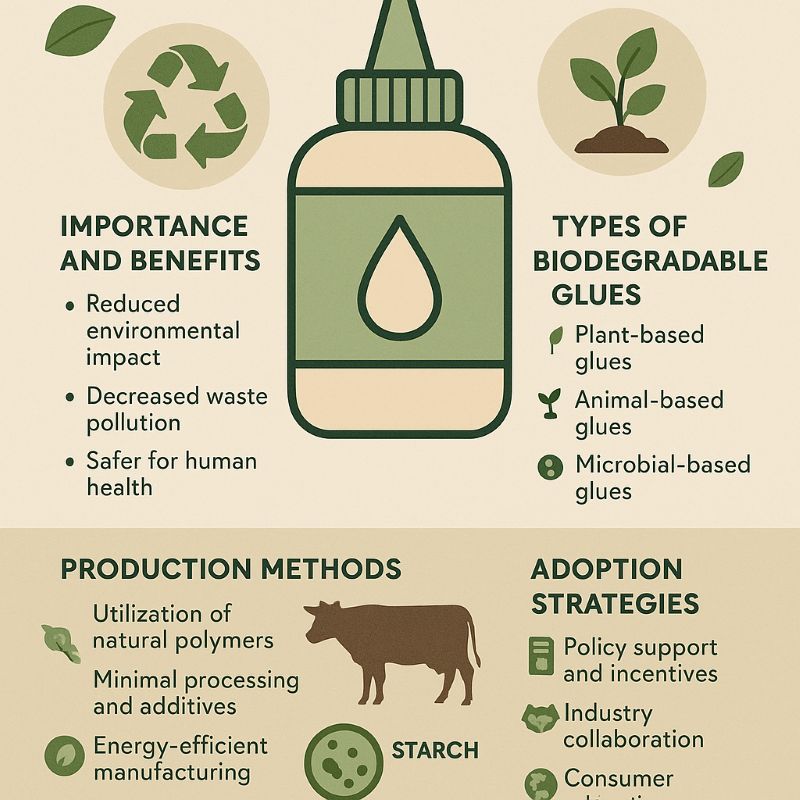
The hot melt adhesive market in 2026 is shaped by ongoing trends in sustainability, supply chain dynamics, and technological advancements. Raw material costs, particularly for petroleum-derived polymers, remain a primary factor influencing price volatility. As a result, purchasers should anticipate potential fluctuations and build resilience into their procurement strategies. A growing trend is the development of bio-based hot melts, formulated from renewable resources. While these may currently carry a price premium, increasing adoption and production scale are expected to make them more competitive, offering a sustainable alternative for environmentally conscious brands.
To navigate this landscape and manage costs effectively, a proactive approach is essential. Simply opting for the lowest price-per-kilogram can lead to production downtime or bond failure, ultimately costing more in the long run. Instead, focus on total cost of ownership. This includes considering the adhesive's mileage (how far a kilogram will go), the energy required to melt it, and its compatibility with your application equipment to minimize maintenance.
Strategic purchasing is another key lever. Consolidating your adhesive needs with a single supplier can often unlock better volume pricing. Furthermore, engaging with your supplier's technical team to test and validate adhesives can sometimes reveal a more cost-effective formulation that still meets all performance criteria. Don't be afraid to trial a slightly different, more efficient product that could yield long-term savings.
⚠️CAUTION
Beware of sacrificing performance for a lower initial price. Using an under-specified adhesive to save a few cents per kilogram can lead to catastrophic bond failures, product recalls, and damage to your brand's reputation. Always ensure the adhesive's technical data sheet meets or exceeds the demands of your application.
A Practical Purchasing Checklist
Making an informed purchasing decision requires a systematic evaluation of your needs. Before contacting suppliers, use this checklist to gather the critical information needed to source the right hot melt adhesive at the best possible price. Having these details ready will streamline the process and ensure you receive quotes for products that are genuinely suitable for your operation. A well-prepared buyer is positioned to negotiate better terms and build a more effective partnership with their supplier.
This checklist helps you move from general requirements to a specific technical profile, which is the foundation for any successful procurement process. It ensures that both performance and commercial factors are considered from the outset.
| Checklist Item | Key Questions to Answer |
|---|---|
| Substrate Identification | What specific materials are you bonding together (e.g., coated paper, pine wood, polypropylene)? |
| Performance Needs | What is the required open time and set speed? What temperature and environmental resistances are necessary? |
| Application Method | Are you using a manual glue gun, a semi-automated system, or a fully automated tank and hose line? |
| Operational Volume | What is your estimated annual consumption in kilograms? This is crucial for negotiating volume discounts. |
| Compliance & Safety | Are there any regulatory requirements, such as food-grade certification, that the adhesive must meet? |