



Table of Contents
- What is Hot Melt Adhesive?
- Key Price Ranges for 2026
- Price by Application: Industrial vs. DIY
- Core Price Factors: Material and Quality
- Smart Purchasing Strategies
Have you ever wondered why the glue stick for a child's craft project costs pennies, while the adhesive used in manufacturing can represent a significant budget item? The world of hot melt adhesive is vast, and its pricing is far from one-size-fits-all. In 2026, understanding the key factors that determine cost is crucial for everyone from B2B purchasing managers to dedicated DIY enthusiasts. This guide will break down the complex pricing structure, helping you navigate the market and make informed decisions for your specific needs.
What is Hot Melt Adhesive? 💡
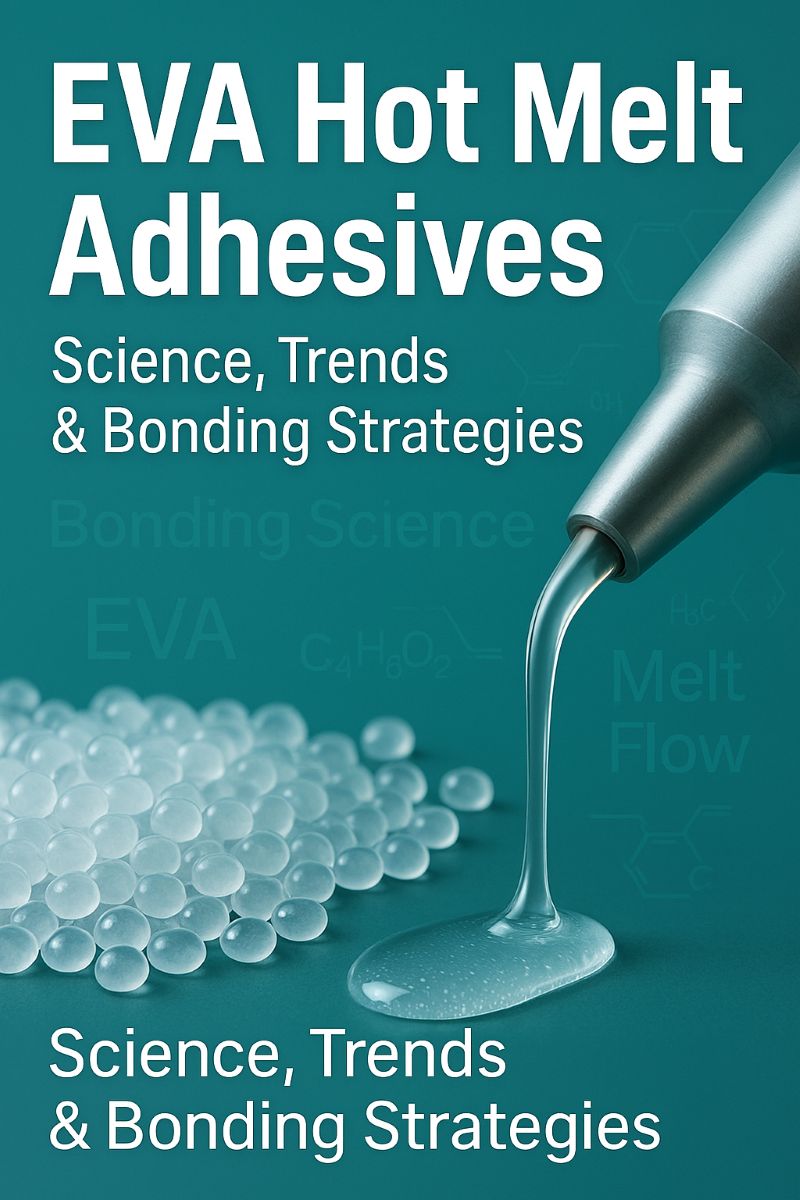
Hot melt adhesive (HMA), also known as hot melt glue, is a type of thermoplastic adhesive that is solid at room temperature. It is applied in a molten state using a hot glue gun or industrial applicator and forms a strong bond as it cools and solidifies. Unlike solvent-based adhesives, HMAs contain no water or solvents, allowing for rapid setting times and a clean application process. Their versatility makes them indispensable in numerous industries, including packaging, woodworking, electronics, and textiles. The primary components are polymers, which provide the structural integrity, combined with resins, waxes, and antioxidants to modify properties like tackiness, viscosity, and durability. The specific formulation directly impacts both performance and cost.
💡KEY POINT
- Solid at Room Temperature: Hot melt adhesives are 100% solid materials that do not require drying or curing.
- Thermoplastic Nature: They can be repeatedly melted by heat and solidified by cooling.
- Fast Bonding: The bond is formed almost instantly as the adhesive cools, making it ideal for high-speed production lines.
- Versatile Applications: Used in everything from sealing cardboard boxes to assembling electronic components and furniture.
Key Price Ranges for 2026 📊
The price of hot melt adhesive in 2026 spans an incredibly wide spectrum, primarily determined by its form, quality, and purchase volume. For general consumers and small-scale crafters, the most common form is the glue stick, which is relatively inexpensive. However, for industrial applications, adhesives are typically purchased in bulk forms like pellets, granules, or blocks, leading to a significantly lower cost per kilogram. It's essential to look beyond the sticker price and consider the price per unit of weight to make an accurate comparison. High-performance formulations designed for specific challenges, such as extreme temperature resistance or chemical durability, command a premium price due to their specialized chemistry and manufacturing processes.
| Adhesive Form | Typical Use Case | 2026 Estimated Price (per kg) |
|---|---|---|
| General Purpose Sticks | DIY, Crafts, Home Repair | $10 - $25 |
| Bulk Pellets/Granules | Industrial Packaging, Assembly | $2 - $5 |
| High-Performance Blocks | Automotive, Electronics, Construction | $40 - $80+ |
Price by Application: Industrial vs. DIY 🏭
The intended application is one of the most significant drivers of price variation in the hot melt adhesive market. Industrial users and DIY hobbyists have fundamentally different requirements, which are reflected in the products available to them. Industrial applications often demand adhesives that can withstand rigorous conditions, such as high-speed automated application, extreme temperatures, and long-term stress. These formulations require advanced polymers and additives, increasing their cost. In contrast, adhesives for crafts or general home use are formulated for ease of use and basic bonding on common materials like paper, wood, and fabric. While perfectly suitable for their intended purpose, they lack the specialized performance characteristics of their industrial counterparts, making them far more affordable.
When requesting a price quote for an industrial project, provide as much detail as possible. Specify the substrates you are bonding (e.g., coated cardboard, plastic, metal), the required open time (the window to make the bond), and any environmental factors like heat or moisture exposure. This will allow suppliers to recommend the most cost-effective product that meets your performance needs without over-engineering the solution.
Core Price Factors: Material and Quality 🔬
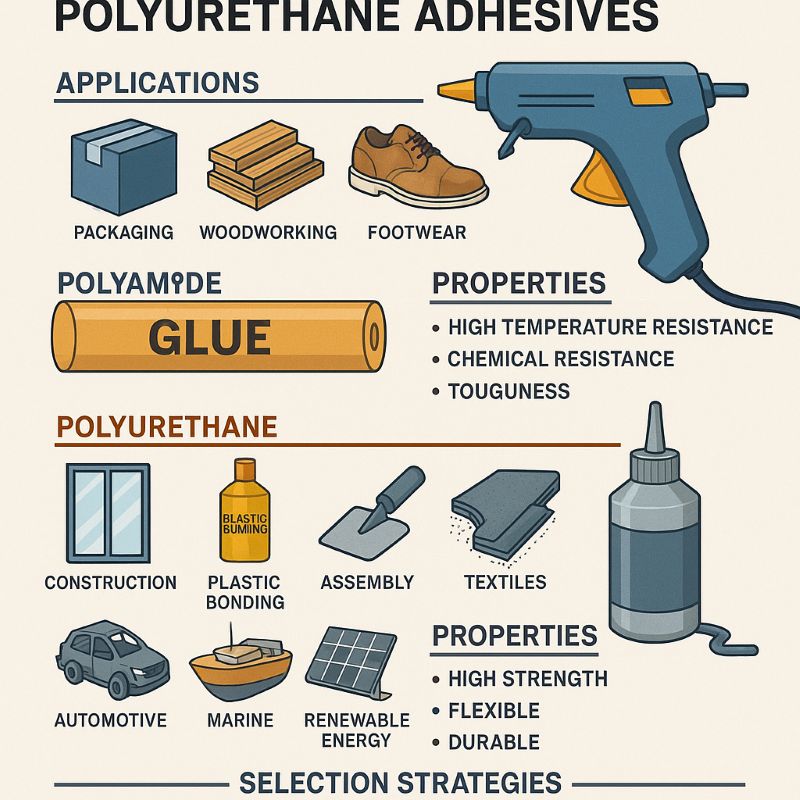
Beyond the application, the specific chemical composition and overall quality of the hot melt adhesive are primary cost determinants. The base polymer used in the formulation has the largest impact. For example, standard Ethylene-vinyl acetate (EVA) based adhesives are cost-effective and versatile, making them popular for general packaging and assembly. However, more demanding applications may require advanced materials like Polyamides for high heat resistance or Polyurethanes (PUR) for superior structural strength and flexibility, both of which are significantly more expensive. The quality of raw materials and the complexity of the manufacturing process also contribute to the final price, with premium brands investing heavily in research and development to create highly reliable and consistent products.
| Material Type | Key Characteristics | Relative Cost |
|---|---|---|
| EVA (Ethylene-vinyl acetate) | General purpose, good adhesion to paper/wood | Low |
| Polyamide | High heat and chemical resistance | High |
| PUR (Polyurethane) | Structural strength, flexibility, cures with moisture | Very High |
Smart Purchasing Strategies 💰
Whether you are a large-scale manufacturer or a home crafter, a strategic approach to purchasing hot melt adhesive can yield significant savings. The most universal rule is that buying in bulk drastically reduces the cost per kilogram. If you have consistent usage and adequate storage space, transitioning from small packs of sticks to larger boxes or bulk pellets is the single most effective way to lower expenses. For B2B buyers, establishing a relationship with a supplier and forecasting your needs can lead to better contract pricing. It is also crucial to match the adhesive's performance to the application's actual needs. Over-specifying an adhesive—using a high-performance, expensive product for a simple, non-critical application—is a common source of unnecessary cost. Always test a few options to find the sweet spot between performance and price.
💡KEY POINT
- Buy in Bulk: The price per kilogram drops significantly with larger purchase volumes.
- Match Performance to Need: Avoid using expensive, high-performance adhesives for simple applications.
- Test Before Committing: Request samples to validate performance and avoid costly mismatches.
- Build Supplier Relationships: Long-term partnerships can unlock better pricing and technical support.