Definition of Hot Melt Adhesives
Types of Hot Melt Adhesives
Importance in Modern Industries
Application Methods Overview
Latest Trends in Adhesive Technology
Strategies for Optimal Use
Environmental Impact and Solutions
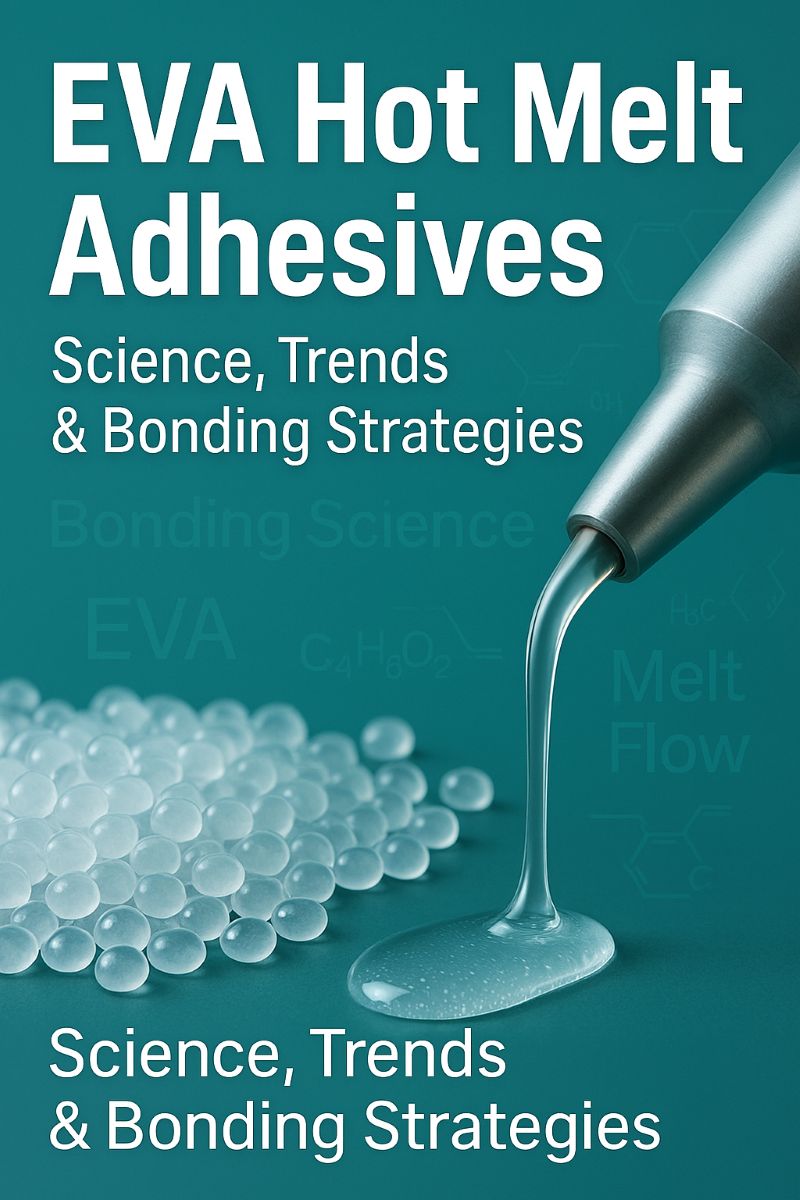
Hot melt adhesives are solid thermoplastic bonding materials that are applied in a molten state and solidify rapidly upon cooling to form a bond. Their defining characteristics include fast setting speed, solvent-free processing, and ease of handling. These properties make hot melt adhesives widely applicable across industries such as packaging, woodworking, electronics, and general assembly. Rather than relying on chemical curing, bonding performance is achieved through controlled heating, application, and cooling, enabling efficient and repeatable manufacturing processes.
Hot melt adhesives are available in multiple formulation families, each designed to meet different performance and processing requirements.
Ethylene-vinyl acetate (EVA)–based adhesives are commonly used in packaging applications due to their fast setting behavior and compatibility with paper-based substrates.
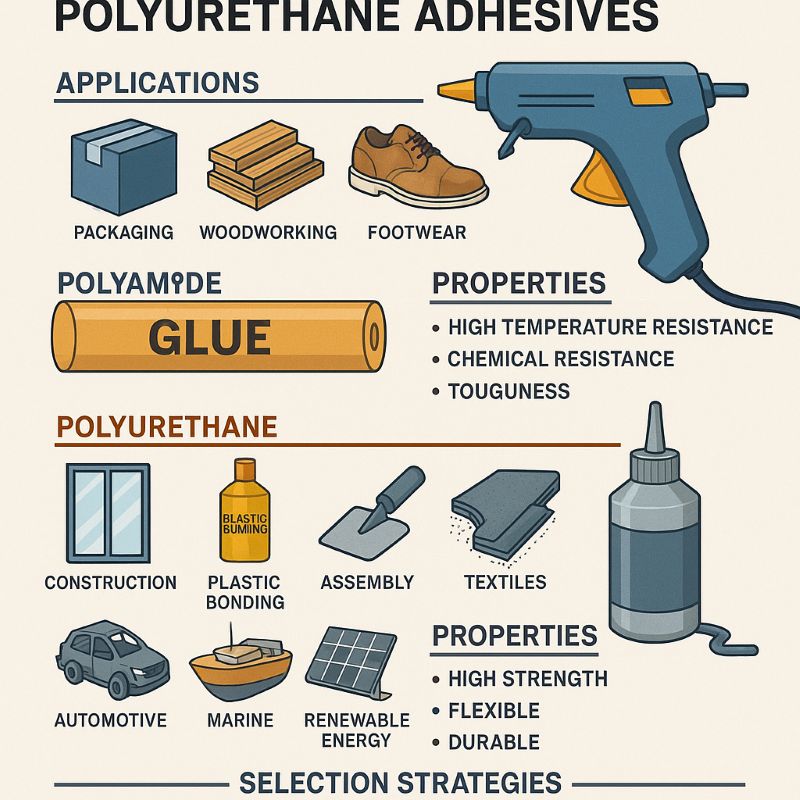
Polyolefin-based hot melts are often selected for applications requiring improved durability, flexibility, and resistance to environmental stress.
Polyamide-based hot melt adhesives are typically used in applications that demand higher thermal resistance and stronger adhesion to engineered materials, such as electronic components. Selecting the appropriate formulation depends on factors including substrate type, operating temperature, and mechanical performance requirements.
Hot melt adhesives play a critical role in modern industrial manufacturing due to their ability to support high-speed production, consistent quality, and process efficiency. Their rapid bonding capability helps reduce cycle times and minimize downtime, while solvent-free formulations contribute to safer working environments. Industries such as packaging, woodworking, automotive assembly, and electronics manufacturing rely on hot melt systems to achieve reliable bonding while maintaining production flexibility. The importance of these adhesives lies not only in bond strength but also in their contribution to streamlined operations and cost-efficient manufacturing.
The performance of hot melt adhesives is closely linked to the application method used. Common application techniques include manual hand-held applicators for precision work, semi-automated systems for medium-volume production, and fully automated dispensing systems for high-throughput manufacturing. Spray application is used where uniform coverage over large areas is required, while slot-die and bead application methods enable precise control of adhesive placement and thickness. Selecting the appropriate application method ensures consistent bonding quality, efficient material usage, and stable production performance.
Recent developments in hot melt adhesive technology focus on improving process stability, environmental performance, and application flexibility. Trends include the development of formulations with improved thermal stability, reduced odor, and enhanced compatibility with a wider range of substrates. Lower processing temperatures and improved energy efficiency are also gaining importance as manufacturers seek to reduce operational costs and environmental impact. Additionally, increased compatibility with automated production systems is driving innovation in both adhesive formulations and dispensing technologies.
Achieving optimal performance from hot melt adhesives requires a systematic approach that integrates material selection, process control, and operator training. Selecting an adhesive formulation that matches the substrate and service conditions is essential. Proper storage conditions help maintain material consistency, while regular equipment maintenance ensures stable application temperatures and flow rates. Calibration of dispensing systems and training of personnel further reduce variability and waste. By aligning adhesive properties with process requirements, manufacturers can improve productivity and long-term operational reliability.
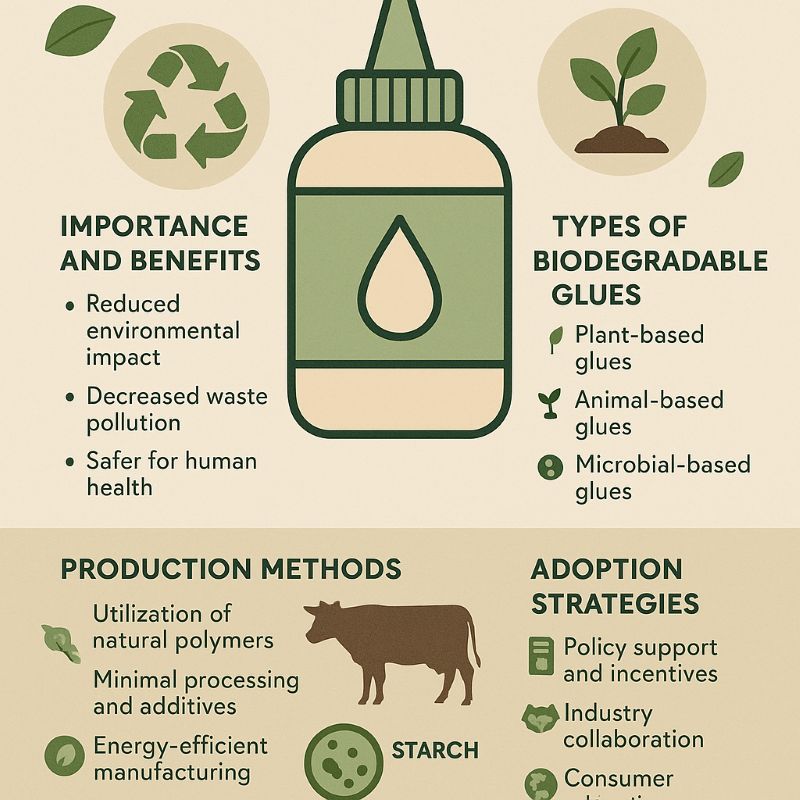
Hot melt adhesives offer certain environmental advantages, such as solvent-free processing and reduced curing energy compared to traditional adhesive systems. However, environmental considerations also extend to raw material sourcing, energy consumption during melting, and end-of-life disposal. In response, ongoing developments focus on improving recyclability, reducing application temperatures, and minimizing emissions during processing. Through material innovation and process optimization, hot melt adhesives can support more sustainable manufacturing practices while maintaining required performance levels.
What are hot melt adhesives?
They are thermoplastic adhesives applied in a molten state that solidify upon cooling to form a bond without chemical curing.
What types of hot melt adhesives are commonly used?
Common types include EVA-based, polyolefin-based, and polyamide-based adhesives, each suited to different applications and performance requirements.
Why are hot melt adhesives important in modern industries?
They enable fast production speeds, consistent bonding quality, solvent-free processing, and efficient manufacturing workflows.
What application methods are used for hot melt adhesives?
Application methods include hand-held applicators, automated dispensing systems, spray application, and slot-die or bead coating techniques.
What trends are shaping hot melt adhesive technology?
Key trends include improved thermal stability, lower processing temperatures, energy efficiency, and better integration with automated manufacturing systems.
How can manufacturers optimize the use of hot melt adhesives?
Optimization involves selecting the correct formulation, maintaining equipment, controlling process parameters, and training operators.
What is the environmental impact of hot melt adhesives?
While solvent-free, they still require energy for processing; ongoing innovations aim to reduce emissions, energy use, and improve recyclability.
Are hot melt adhesives suitable for all applications?
They are suitable for many applications, but selection depends on substrate compatibility, temperature exposure, and performance requirements.