Definition of Eco-Friendly Adhesives
Types of Eco-Friendly Adhesives
Importance in Filter Manufacturing
Methods for Eco-Friendly Application
Latest Trends in Adhesive Technology
Strategies for Eco-Friendly Production
Future Prospects in Adhesive Use
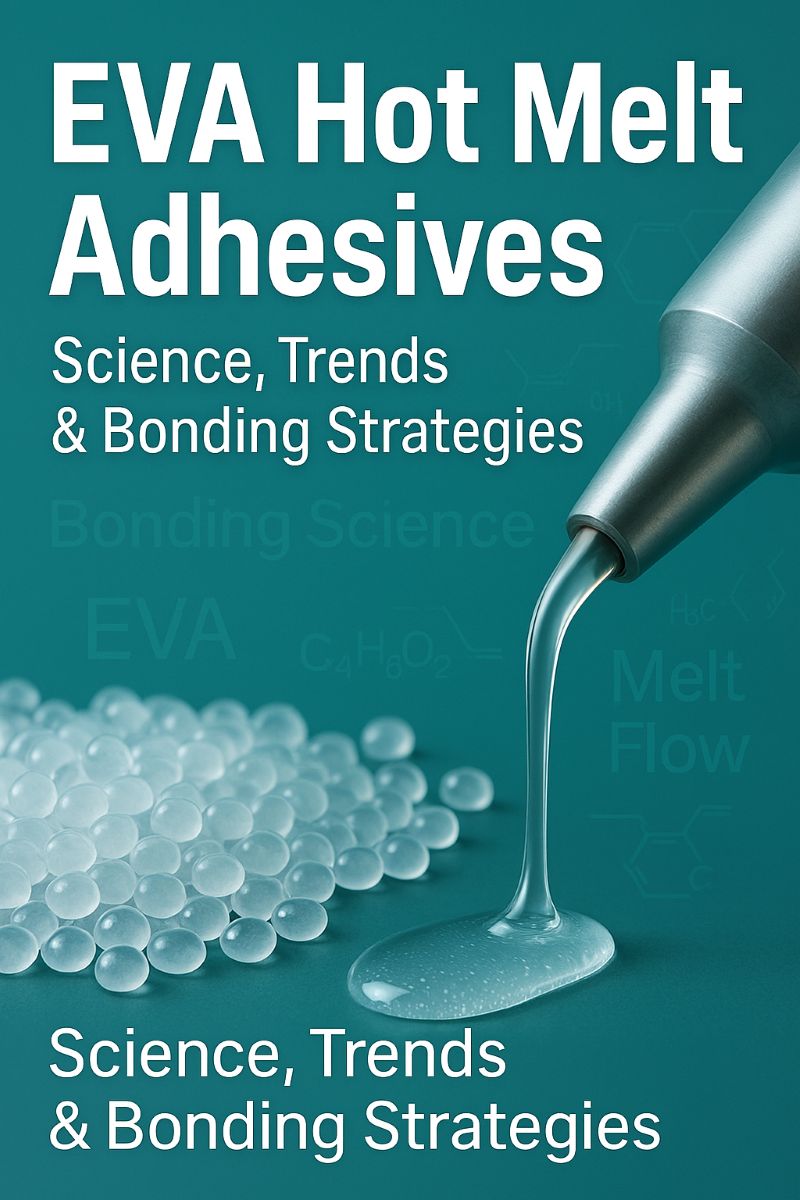
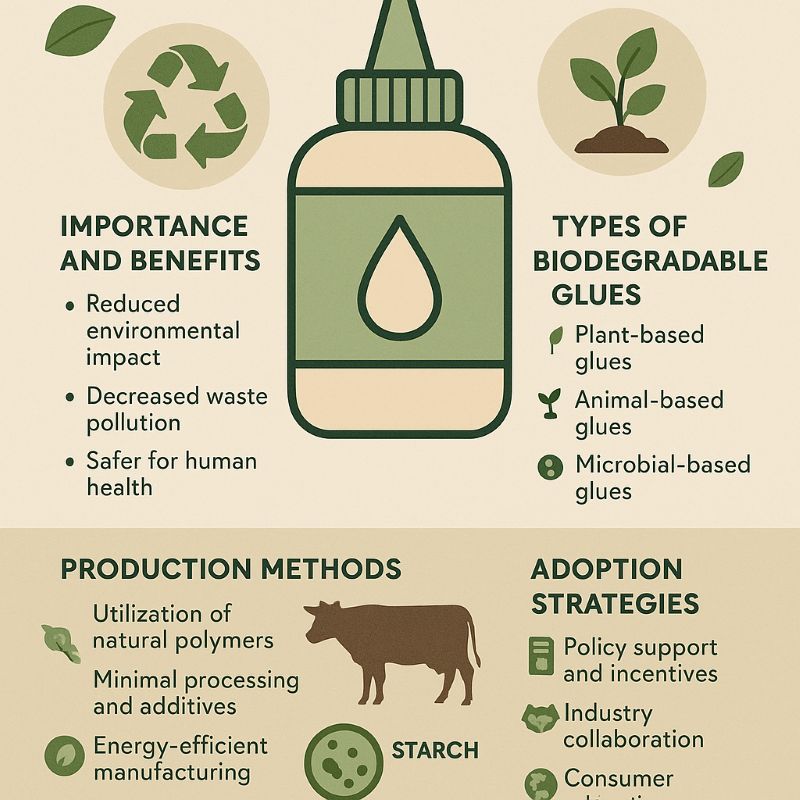
Eco-friendly adhesives are bonding solutions developed to reduce environmental impact by focusing on lower emissions, improved energy efficiency, and responsible material selection. In filter manufacturing, eco-friendly hot melt adhesives support component assembly while aligning with environmental and air-quality standards. These adhesives are typically designed to operate at reduced application temperatures and to minimize waste, helping manufacturers meet sustainability goals without compromising bonding performance.
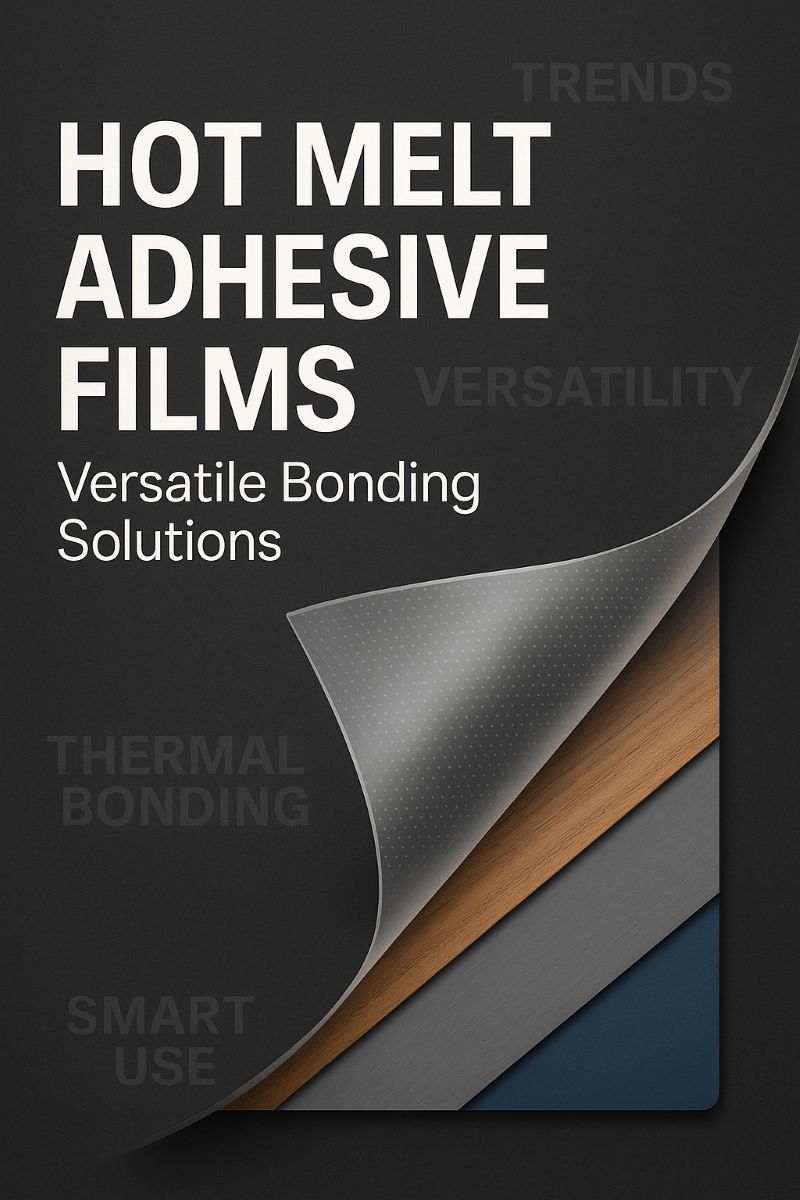
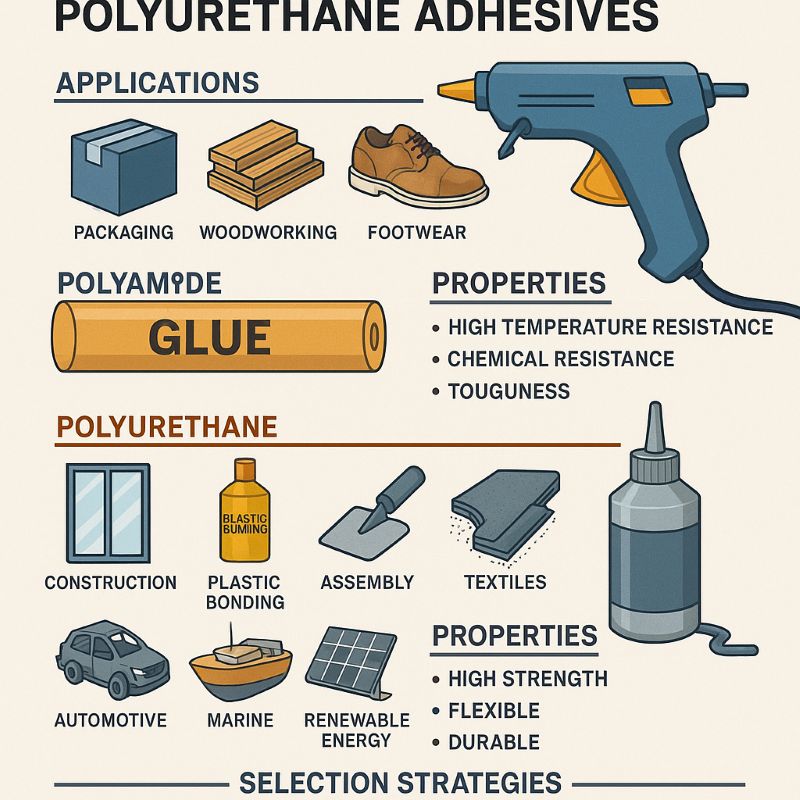
In filter manufacturing, eco-friendly hot melt adhesives can be classified based on formulation and processing characteristics. Low-temperature hot melt systems are designed to reduce energy consumption during application. Versatile formulations are engineered to bond effectively to multiple substrates, supporting simplified production processes. Other eco-focused adhesives emphasize balanced adhesion strength and controlled material usage to support sustainable manufacturing. Each type is selected based on production requirements, substrate compatibility, and environmental objectives.
The use of eco-friendly hot melt adhesives plays an important role in modern filter manufacturing. These adhesives enable secure bonding of filter components while supporting reduced energy usage and lower emissions. By adopting environmentally conscious bonding solutions, manufacturers can improve operational efficiency and align production with sustainability targets. Eco-friendly adhesives contribute not only to structural integrity and product reliability but also to broader environmental responsibility across manufacturing operations.
Eco-friendly application methods focus on precision, efficiency, and waste reduction. Applying hot melt adhesives at optimized, lower temperatures helps conserve energy while maintaining bond quality. Controlled dispensing systems allow accurate placement of adhesive, reducing excess material usage. Streamlined application processes also support consistent bond formation across different filter designs. By adopting these methods, manufacturers can improve sustainability while maintaining high production standards.
Recent trends in adhesive technology emphasize sustainability-driven innovation. Developments include formulations that support lower processing temperatures, improved bonding efficiency, and reduced environmental impact. Advances in application equipment further enhance precision and consistency, helping manufacturers reduce waste and energy consumption. These trends reflect the industry’s shift toward bonding solutions that balance performance with environmental responsibility.
Effective eco-friendly production strategies begin with selecting adhesives that support energy-efficient processing and controlled material use. Implementing precise application techniques helps minimize waste and improves consistency. Automation can further enhance efficiency by ensuring repeatable adhesive placement and reduced material loss. By integrating these strategies, manufacturers can maintain product quality while advancing sustainability initiatives within filter production.
The future of adhesive use in filter manufacturing is increasingly shaped by sustainability requirements and regulatory expectations. Eco-friendly hot melt adhesives are expected to play a growing role as manufacturers seek to reduce environmental impact while maintaining reliable bonding performance. Continued innovation is likely to expand compatibility with a wider range of materials and production processes, reinforcing the importance of environmentally responsible adhesives in long-term manufacturing strategies.
What are eco-friendly adhesives?
Eco-friendly adhesives are bonding materials designed to reduce environmental impact through lower emissions, improved energy efficiency, and responsible material use.
Why are eco-friendly adhesives important in filter manufacturing?
They support secure bonding while helping manufacturers reduce energy consumption, emissions, and material waste.
What types of eco-friendly adhesives are used in filter manufacturing?
Common types include low-temperature hot melt systems and versatile formulations designed for multiple substrates and sustainable processing.
How can eco-friendly adhesives be applied effectively?
Through optimized temperature control, precise dispensing, and efficient application methods that reduce waste and energy use.
What trends are shaping adhesive technology today?
Trends focus on sustainability, energy-efficient processing, improved precision, and reduced environmental impact.
What strategies support eco-friendly production?
Key strategies include selecting appropriate adhesive formulations, using precise application systems, and integrating automation for consistency and efficiency.
What is the future outlook for eco-friendly adhesives?
The outlook is positive, with increasing adoption driven by sustainability goals, regulatory pressure, and ongoing technological innovation.