Understanding Hot Melt Adhesives
Traditional Adhesive Methods
Durability in Adhesives
Types of Hot Melt Adhesives
Importance of Adhesive Durability
Comparative Analysis: Hot Melt vs Traditional
Latest Trends in Adhesive Technology
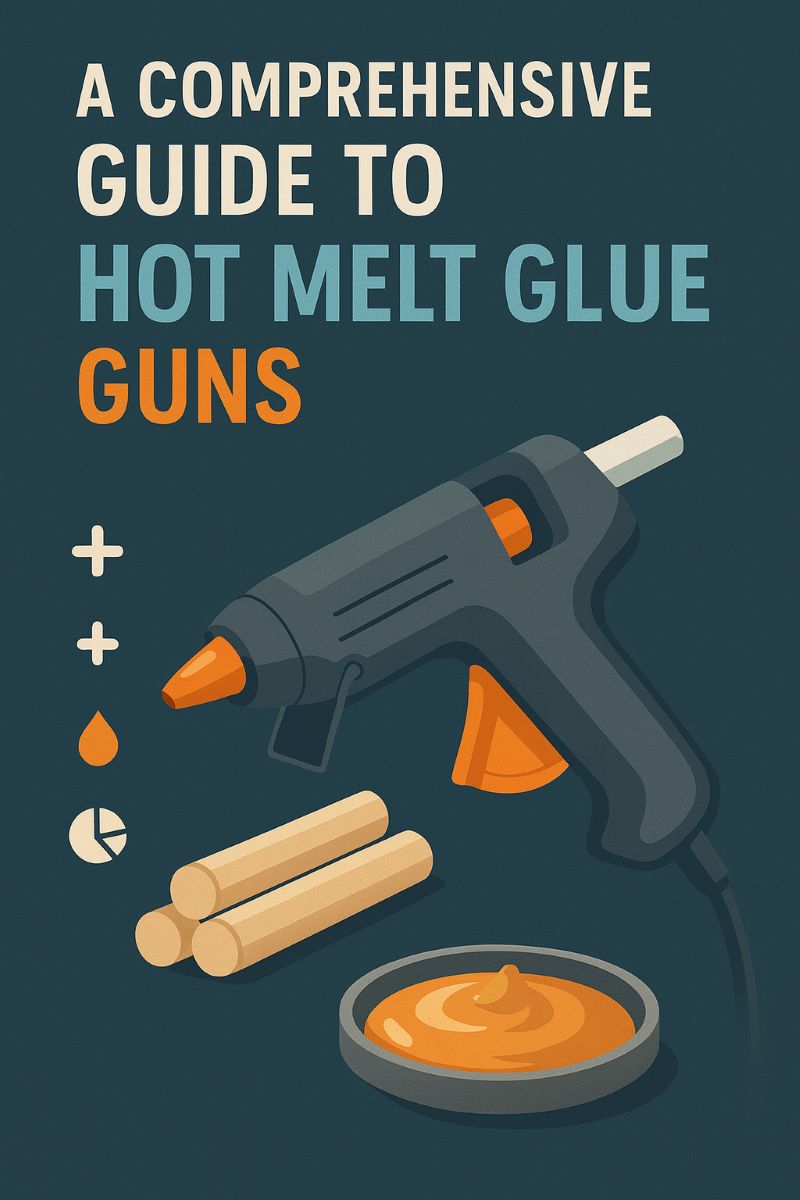
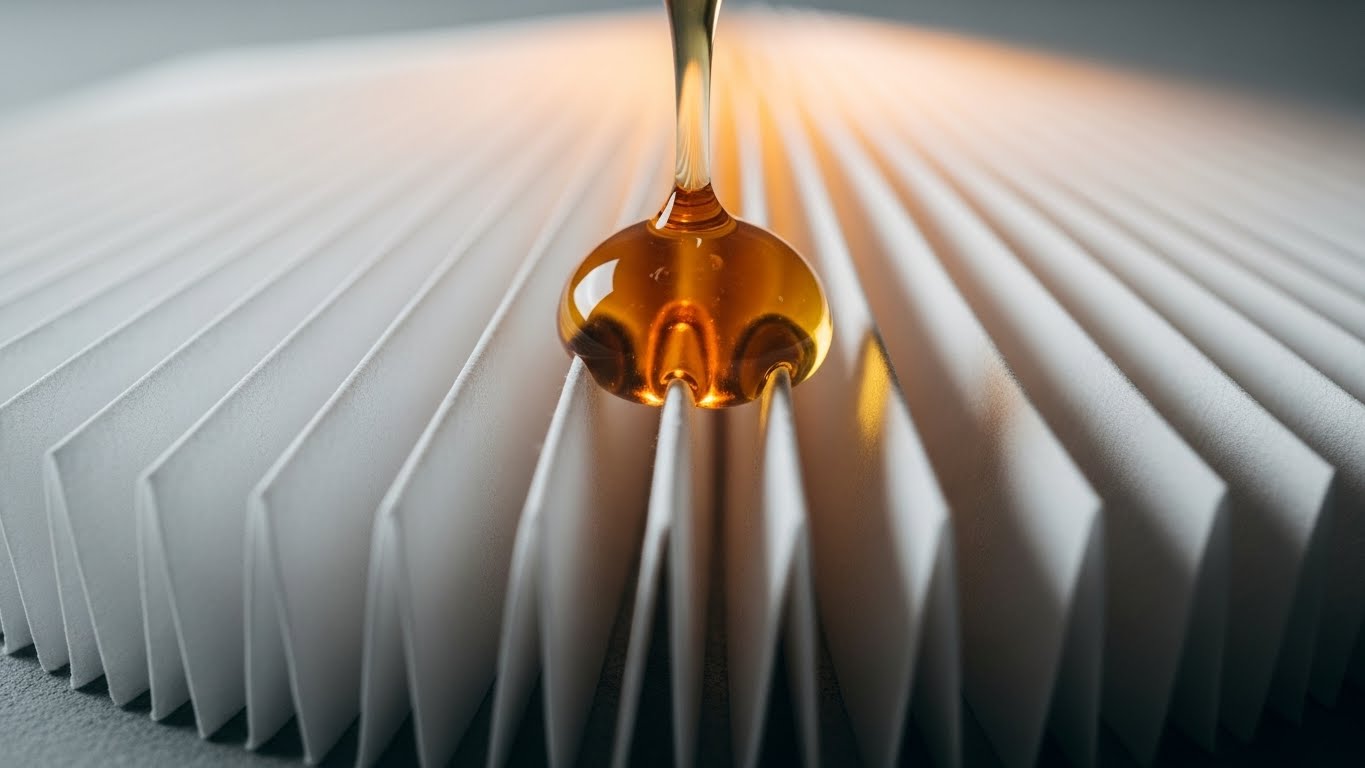
Hot melt adhesives are widely used in various industries due to their fast bonding speed and versatile processing characteristics. Unlike conventional adhesive systems that often require extended curing times, hot melt adhesives develop handling strength immediately after cooling. This allows efficient bonding of materials such as wood, metals, and various plastics. Their thermoplastic nature supports flexible manufacturing processes and consistent bond quality, making them suitable for applications where productivity and durability are critical.
Traditional adhesive methods have long served as foundational bonding solutions across multiple industries. These methods include solvent-based adhesives, water-based systems, and thermosetting resins, each offering specific advantages depending on application requirements. While these adhesives can provide strong and durable bonds, they typically involve longer curing times and more complex process control. In applications where speed, flexibility, and simplified processing are required, these limitations have encouraged manufacturers to explore alternative bonding technologies.
Durability is a key performance factor in adhesive selection, directly affecting the longevity and reliability of bonded assemblies. Hot melt adhesives offer rapid bond formation combined with stable mechanical performance, which supports consistent durability under operational stress. In contrast, traditional adhesive systems may achieve comparable strength but often require extended curing periods to reach full performance. Understanding how different adhesive systems perform over time helps manufacturers align bonding solutions with durability expectations and production constraints.
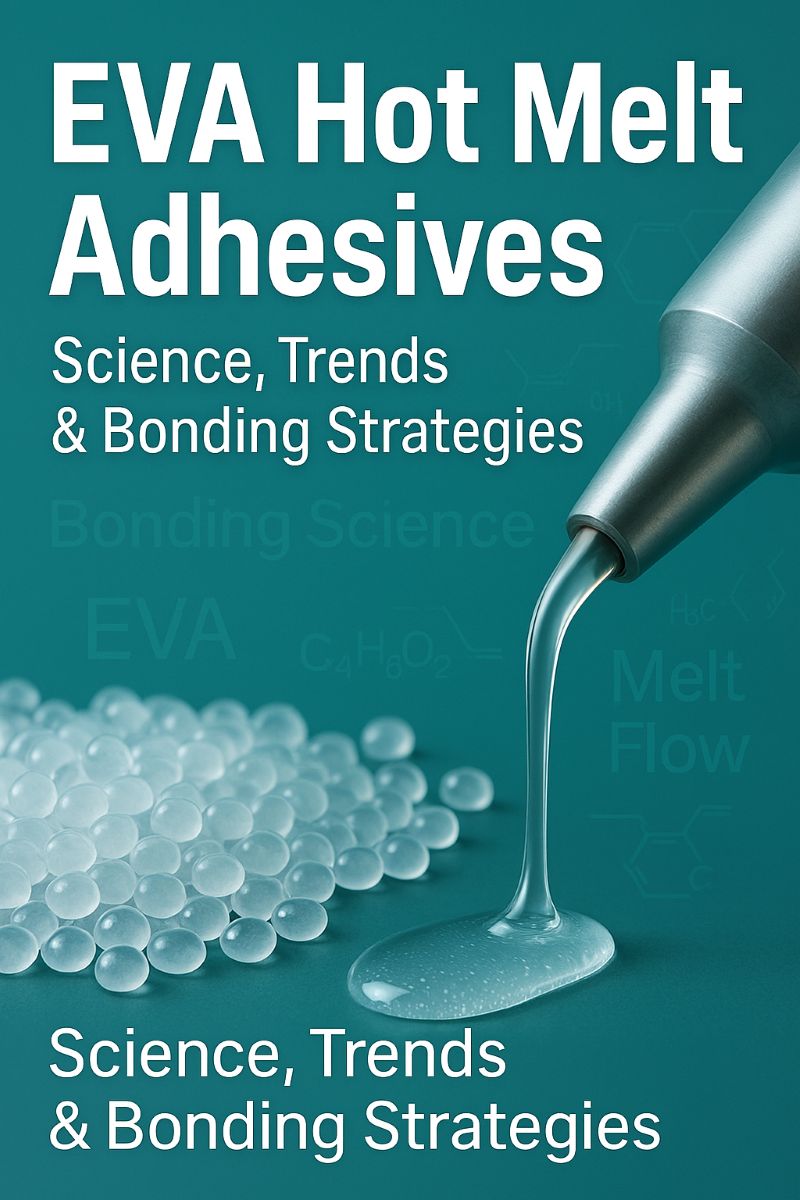
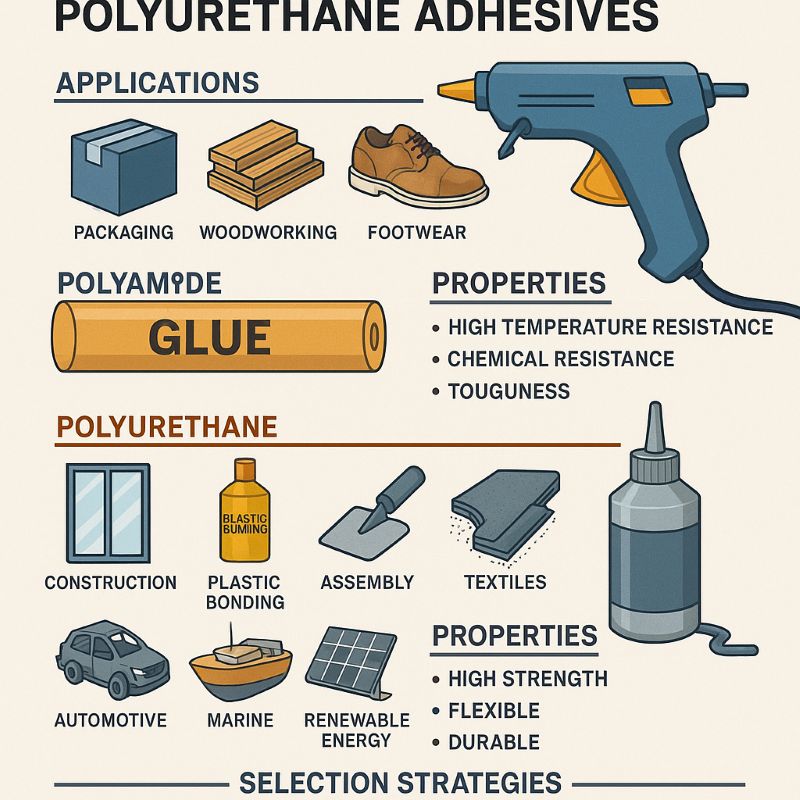
Hot melt adhesives are available in several formulations, each designed to address specific performance requirements. Ethylene-vinyl acetate (EVA) systems are commonly used for general bonding applications due to their balanced adhesion and processability. Polyolefin-based hot melts provide enhanced flexibility and resistance, making them suitable for plastic substrates. Polyamide hot melts are selected for applications requiring higher thermal stability and mechanical durability. Selecting the appropriate formulation allows manufacturers to optimize bond performance across diverse environments.
Adhesive durability is essential for maintaining structural integrity under mechanical stress, temperature variation, and environmental exposure. Durable bonding solutions help prevent premature failure and reduce maintenance requirements. Hot melt adhesives support durability by forming uniform bonds with predictable performance characteristics. By prioritizing durability during adhesive selection, manufacturers can improve product reliability and extend service life across applications.
A comparative evaluation of hot melt adhesives and traditional adhesive methods highlights key differences in processing and performance. Hot melt systems provide immediate bond strength and faster production cycles, which are advantageous in high-throughput environments. Traditional adhesives may offer strong final properties but typically involve longer curing times and more complex handling. This comparison illustrates how hot melt technology supports efficiency and durability in applications where time and consistency are critical factors.
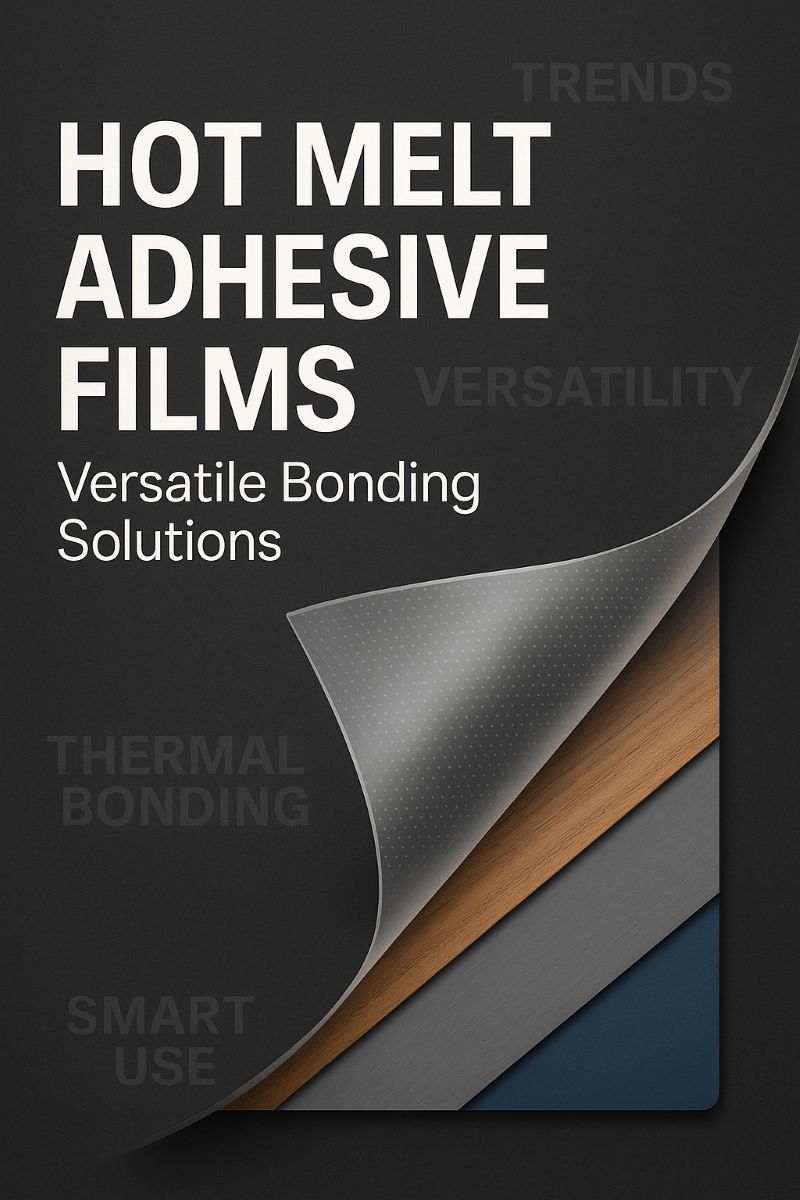
Current trends in adhesive technology emphasize faster processing, improved durability, and adaptability to diverse substrates. Hot melt adhesives continue to evolve through formulation advancements that enhance thermal resistance, flexibility, and environmental stability. These developments support automated manufacturing and high-performance applications, positioning hot melt adhesives as key contributors to modern bonding solutions focused on efficiency and long-term reliability.
What are hot melt adhesives?
Hot melt adhesives are thermoplastic bonding materials applied in a molten state and solidified by cooling, enabling fast bonding and efficient processing.
How do hot melt adhesives differ from traditional adhesives?
Hot melt adhesives provide immediate handling strength, while traditional adhesives often require longer curing times to achieve full performance.
What types of hot melt adhesives are commonly used?
Common types include EVA-based, polyolefin-based, and polyamide-based hot melt adhesives, each selected based on performance requirements.
Why is adhesive durability important?
Durability ensures that bonded assemblies maintain performance over time under stress, temperature changes, and environmental exposure.
Which industries benefit from hot melt adhesives?
Industries such as packaging, woodworking, automotive, construction, and general manufacturing benefit from their speed and durability.
What trends are shaping adhesive technology?
Trends focus on faster processing, improved durability, compatibility with automation, and enhanced performance under demanding conditions.