Definition of Hot Melt Road Markings
Types of Road Marking Materials
Importance of Hot Melt Technology
Application Methods for Road Markings
Latest Trends in Road Marking Technology
Strategies for Effective Road Markings
Challenges in Road Marking Implementation
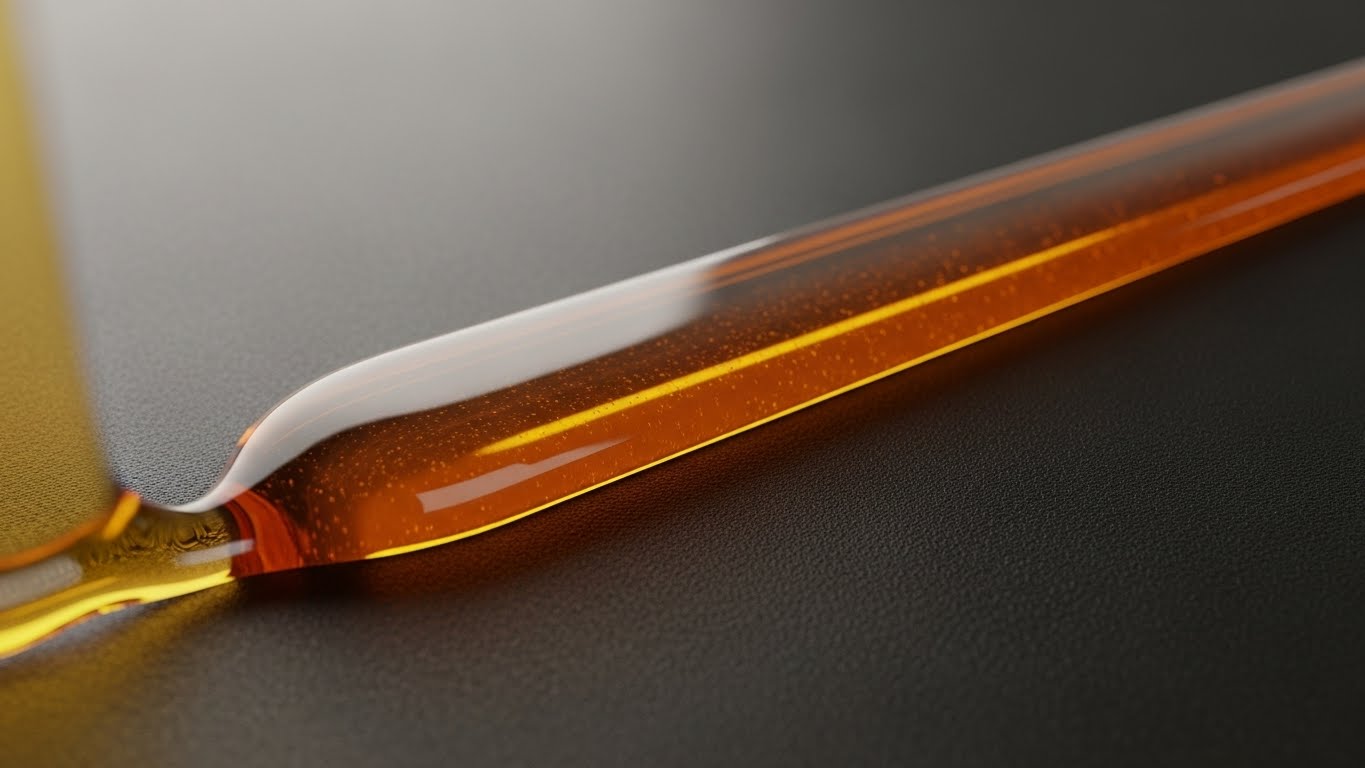
Hot melt road markings are thermoplastic-based materials used to create durable and highly visible lines, symbols, and guidance elements on road surfaces. When heated, the material transitions into a molten state, allowing precise application onto pavements. As it cools, it rapidly solidifies into a hard, weather-resistant layer. This characteristic makes hot melt road markings suitable for environments exposed to traffic load, temperature variation, and moisture, supporting long-term traffic safety and road efficiency.
Various materials are used in road marking applications, each selected based on durability, visibility, and maintenance requirements. Thermoplastic materials are widely used due to their strong adhesion, thickness, and resistance to wear. Other commonly used materials include water-based paints, solvent-based paints, and preformed thermoplastic sheets. While paints are often chosen for lower-cost or temporary markings, thermoplastic systems are typically preferred for long-term applications where durability and visibility are critical for traffic safety and management.
Hot melt technology plays a central role in modern road marking systems by enabling durable and highly visible surface markings. The process involves heating thermoplastic materials and applying them in a controlled manner onto road surfaces. Once cooled, the markings form a robust layer that resists weathering, abrasion, and deformation. This durability reduces the frequency of reapplication and maintenance, helping road operators maintain consistent traffic guidance while optimizing long-term operational efficiency.
Several application methods are used to install hot melt road markings, depending on project scale and design requirements. Screed application allows manual control and is suitable for detailed symbols and markings. Spray application supports rapid coverage over large areas and produces uniform layers. Extrusion methods use specialized equipment to apply consistent lines over long distances, making them effective for highways and major roads. Selecting the appropriate method is essential to achieving optimal adhesion, thickness, and visibility.
Recent developments in road marking technology focus on improving safety, durability, and environmental performance. Modern thermoplastic formulations increasingly incorporate reflective elements to enhance nighttime visibility and additives designed to improve skid resistance. There is also growing emphasis on reducing environmental impact through optimized material usage and improved application efficiency. These trends reflect a broader shift toward road marking systems that balance performance, safety, and sustainability in infrastructure projects.
Effective road marking strategies rely on precise material selection, accurate application, and ongoing performance monitoring. Ensuring correct surface preparation and temperature control during application improves adhesion and longevity. Incorporating reflective components enhances visibility under low-light conditions, while regular inspections help maintain marking effectiveness over time. By aligning application techniques with material properties, road authorities can improve traffic guidance and overall roadway safety.
Implementing road marking systems presents several challenges, including varying climate conditions, surface variability, and traffic management during application. Temperature fluctuations and moisture can influence material performance, while coordinating traffic flow is essential to minimize disruption during installation. Skilled operation and appropriate equipment are required to ensure consistent application quality. Addressing these challenges is critical to achieving durable markings that support safe and efficient transportation networks.
What are hot melt road markings?
Hot melt road markings are thermoplastic materials that are heated for application and solidify upon cooling, forming durable and weather-resistant traffic markings.
What materials are commonly used for road markings?
Common materials include thermoplastic systems, water-based paints, solvent-based paints, and preformed thermoplastic sheets.
Why is hot melt technology important in road markings?
Hot melt technology provides durable, highly visible markings that reduce maintenance frequency and improve long-term traffic safety.
What application methods are used for hot melt road markings?
Typical methods include screed, spray, and extrusion techniques, each suited to different marking designs and project scales.
What trends are shaping road marking technology?
Key trends include improved nighttime visibility, enhanced skid resistance, and increased focus on environmental efficiency.
How can the effectiveness of road markings be improved?
Effectiveness can be improved through precise application, proper surface preparation, reflective enhancements, and regular inspections.
What challenges affect road marking projects?
Challenges include climate variability, traffic coordination during application, and the need for skilled operation and suitable equipment.