


Table of Contents
- Choosing the Right Adhesive for Your Needs
- A Deep Dive into Composition and Performance
- Environmental & Health Impact Analysis
- Practical Applications and User Insights
- The 2026 Market Landscape and Future Trends
In a world increasingly focused on sustainability, the small components of manufacturing and packaging are coming under intense scrutiny. The adhesives that hold our products together are no exception. As of 2026, the choice is no longer just about bond strength or curing time; it's about the entire lifecycle of the product. The decision between a conventional, petroleum-based adhesive and an eco-friendly hot melt has become a critical reflection of a company's commitment to environmental responsibility and a consumer's demand for greener products. This guide will explore the fundamental differences to help you make an informed choice that aligns with both performance needs and sustainability goals.
Choosing the Right Adhesive for Your Needs
Selecting the right adhesive involves a careful balance of functional requirements and environmental values. The primary question is no longer "Will it stick?" but "What is the total impact of this bond?" For applications where the end product is intended to be compostable or recyclable, an eco-friendly hot melt is the clear choice. For heavy-duty industrial uses where extreme heat resistance is paramount, the decision requires more nuance.
The key is to define your priorities. Are you aiming to reduce your carbon footprint, improve workplace safety by minimizing fumes, or meet consumer demand for sustainable packaging? Answering these questions will guide you toward the right category. The 2026 market offers robust options in both traditional and eco-friendly adhesives, meaning a sustainable choice rarely requires a compromise on quality for most common applications.
💡KEY POINT
- Define Your Goal: Determine if your priority is sustainability, specific performance metrics (like heat resistance), or cost-effectiveness.
- Consider the End-of-Life: Align your adhesive choice with the intended disposal of the final product (e.g., recyclable, compostable, or landfill).
- Evaluate the Application: Match the adhesive's properties to the specific materials and environmental conditions it will face.
A Deep Dive into Composition and Performance
The core difference between an environmentally friendly hot melt adhesive and its conventional counterpart lies in its origin. This fundamental distinction in chemical composition directly influences performance, lifecycle, and overall impact. While both are designed to create a strong bond, their journey from raw material to disposal is worlds apart.
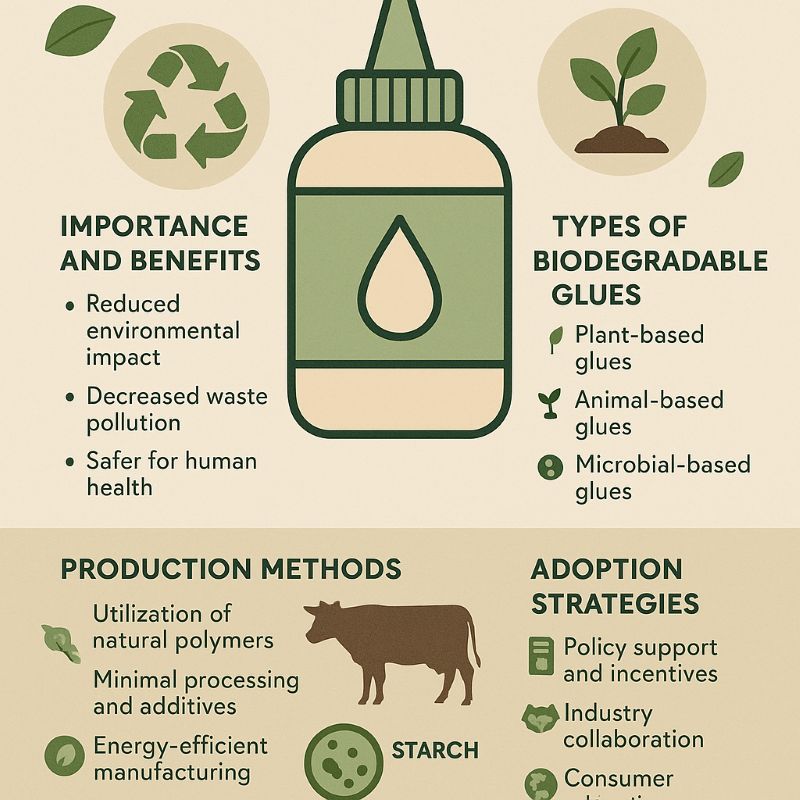
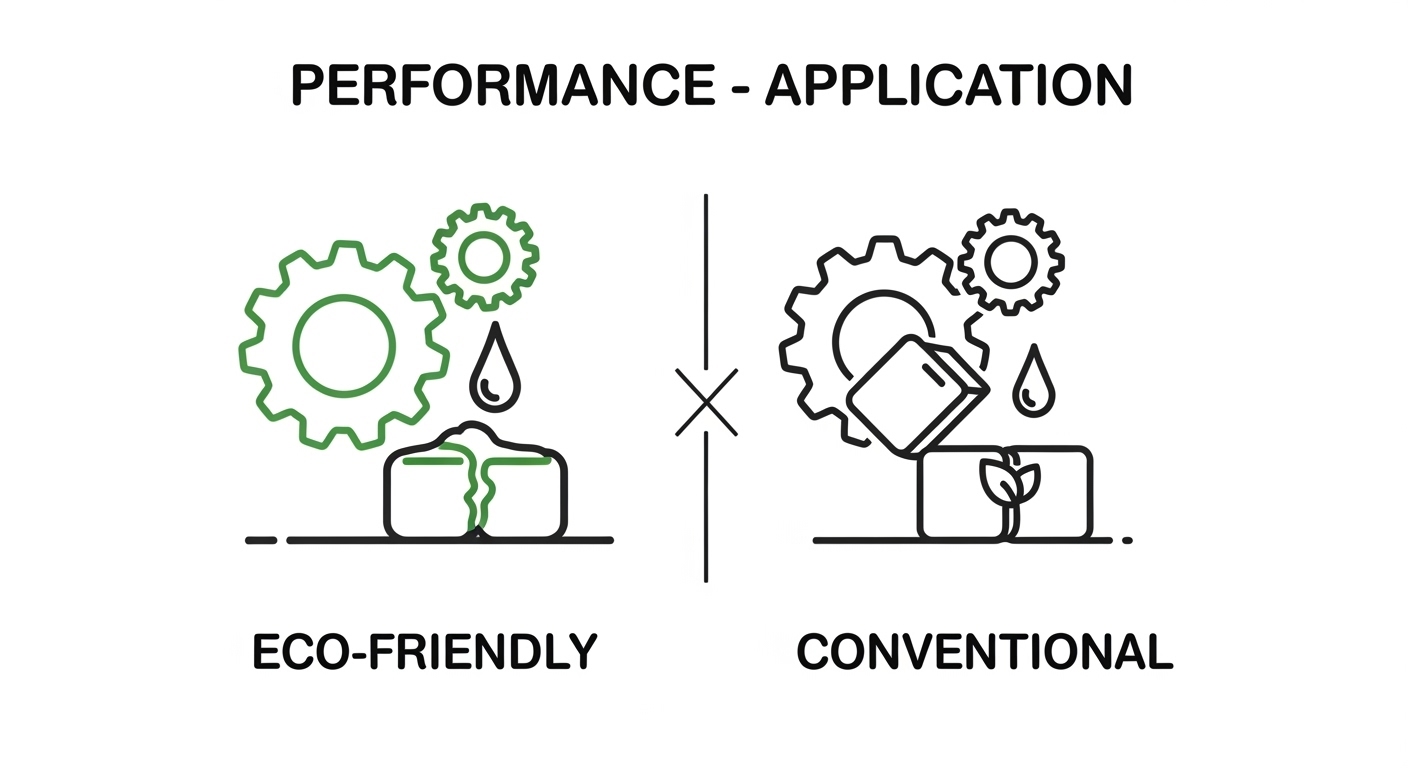
Traditional hot melts are typically derived from petroleum-based polymers. They are known for their strong adhesion and reliability across a wide range of temperatures and substrates. In contrast, eco-friendly hot melt adhesives are formulated using renewable, bio-based materials such as plant-based resins and starches. Technological advancements in 2026 have closed the performance gap significantly, with many eco-friendly options now offering comparable set times and bond strengths for applications in packaging, bookbinding, and woodworking.
| Feature | Eco-Friendly Hot Melt | Conventional Hot Melt |
|---|---|---|
| Base Material | Renewable resources (e.g., plant-based polymers) | Petroleum-based/fossil fuels |
| Lifecycle | Biodegradable or compostable | Very slow degradation, can create microplastics |
| Key Advantage | Low environmental impact, enhanced safety | High heat resistance, established performance |
Environmental & Health Impact Analysis
Beyond the raw materials, the environmental and health considerations are a major factor in the shift towards sustainable adhesives. The application process and end-of-life impact highlight the stark contrast between the two types. One of the most significant advantages of eco-friendly hot melt is its drastically lower emission of Volatile Organic Compounds (VOCs).
VOCs are chemicals that can be released into the air during the melting process, potentially causing respiratory irritation and contributing to air pollution. Eco-friendly formulations are typically free from harmful solvents and have minimal VOC content, which creates a safer and more pleasant working environment. Furthermore, their end-of-life profile is far superior. While conventional adhesives can contaminate recycling streams and break down into persistent microplastics, many eco-friendly adhesives are designed to be fully biodegradable or compostable, returning to the environment without causing harm. This makes them an ideal component of a circular economy.
When evaluating an adhesive's environmental claims, look for official certifications. Standards such as ASTM D6400 or EN 13432 provide third-party verification that a product is commercially compostable, ensuring its eco-friendly properties are backed by scientific data.
Practical Applications and User Insights
The versatility of eco-friendly hot melt has expanded its use across numerous industries. In 2026, it is no longer a niche product but a mainstream solution for businesses prioritizing sustainability. From sealing cardboard boxes for e-commerce to assembling furniture and binding books, its applications are diverse and growing.
Industry professionals often note that the switch to an eco-friendly adhesive can be seamless, with many formulations designed as drop-in replacements for existing equipment. The primary considerations for selection revolve around the specific substrate and performance needs. For example, in food packaging, an adhesive must not only be sustainable but also meet strict safety standards for indirect food contact. Below is a checklist to help identify the best-fit adhesive type for common applications.
| Application Area | Key Consideration | Recommended Focus |
|---|---|---|
| Food & Beverage Packaging | Food safety, recyclability | Certified food-safe, compostable eco-friendly hot melt |
| Woodworking & Furniture | Bond strength, set time | High-strength bio-based or conventional hot melt |
| Textiles & Non-wovens | Flexibility, wash resistance | Specialized formulations (eco-friendly options available) |
The 2026 Market Landscape and Future Trends
The adhesive market in 2026 is being reshaped by powerful trends in sustainability and corporate responsibility. There is a clear and accelerating shift towards solutions that minimize environmental impact without sacrificing performance. The demand for eco-friendly hot melt is growing faster than the overall adhesive market, driven by regulatory pressures, consumer preferences, and corporate ESG (Environmental, Social, and Governance) initiatives.
Innovation is focused on developing bio-based adhesives with even higher performance characteristics, such as increased heat resistance and broader substrate compatibility. We are also seeing the development of "circular-ready" adhesives that facilitate easier disassembly and recycling of products at the end of their life. As companies continue to integrate sustainability into their core strategies, the adoption of environmentally friendly hot melt adhesive will become a standard practice rather than an alternative, defining the future of the industry.
💡KEY POINT
- Growing Demand: Consumer and regulatory pressures are accelerating the adoption of sustainable adhesives.
- Performance Parity: The gap between eco-friendly and traditional adhesive performance is rapidly closing.
- Focus on Circularity: Future innovations will emphasize adhesives that support a circular economy, enabling easier recycling and disassembly.