



Table of Contents
- Understanding the Fundamentals of Hot Melt Adhesives
- Choosing the Right Format: From Sticks to Pellets
- Critical Specifications for Compatibility and Performance
- The Ultimate Purchasing Checklist and Sourcing Guide
- Application-Specific Adhesive Recommendations
Have you ever wondered why a simple craft project bond might fail, while industrial packaging remains sealed through rough handling and temperature shifts? The difference often comes down to the precise selection of a hot melt adhesive. These thermoplastic polymers are far more than just "glue." They are engineered materials designed for specific applications, temperatures, and equipment. For anyone from a DIY enthusiast to an industrial purchasing manager, understanding how to navigate the options is the first step toward a successful, durable bond. This guide for 2026 provides a professional framework for selecting and purchasing the right hot melt adhesive, ensuring you avoid common pitfalls and achieve optimal results for any project.
Understanding the Fundamentals of Hot Melt Adhesives
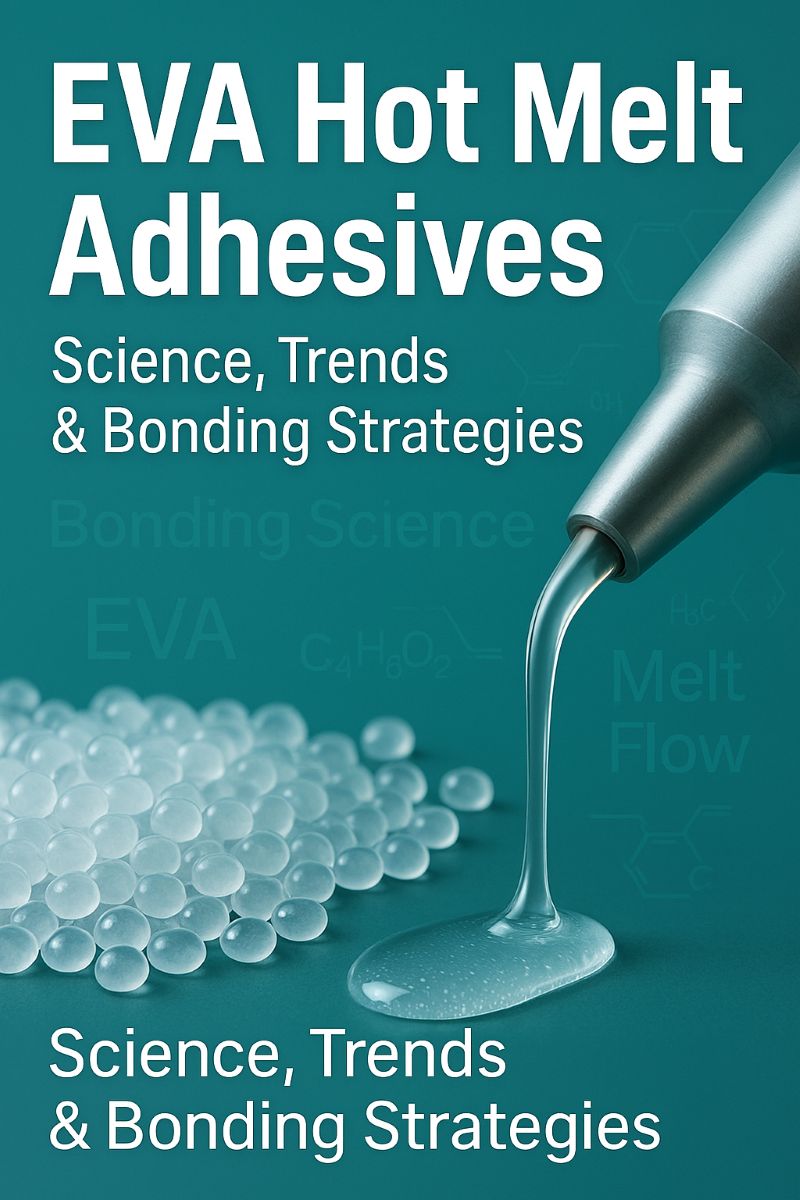
Hot melt adhesive (HMA), also known as hot melt glue, is a type of thermoplastic adhesive. Unlike solvent-based adhesives that cure through evaporation or chemical reaction, hot melts are 100% solid materials that are applied in a molten state and form a bond upon cooling. This rapid solidification is their primary advantage, enabling fast production lines and quick assembly. The process is simple: the solid adhesive is heated above its melting point in an applicator (like a glue gun or an industrial tank), applied to a substrate, and then cools to create a strong bond.
The key characteristics of hot melt adhesives include their fast setting time, long shelf life, and the absence of volatile organic compounds (VOCs), making them a more environmentally friendly option in many cases. However, their performance is highly dependent on the formulation. Different polymers are used to create adhesives with varying properties, such as flexibility, heat resistance, and adhesion to different materials like wood, plastic, paper, and metal. Understanding that not all hot melts are created equal is fundamental to making an informed purchase. The choice depends entirely on the specific requirements of your application, from the materials being joined to the environmental conditions the final product will face.
💡KEY POINT
- What it is: A 100% solid, thermoplastic adhesive applied in a molten state.
- How it works: Bonds are formed rapidly as the adhesive cools and solidifies.
- Key Advantages: Fast setting speed, no VOCs, and a long, stable shelf life.
- Critical Factor: Performance varies significantly based on chemical formulation and intended use.
Choosing the Right Format: From Sticks to Pellets
The physical format of the hot melt adhesive is the first major decision point, and it is directly tied to the scale and nature of your work. The choice is generally between smaller formats for manual application and bulk formats for automated, high-volume industrial processes. Making the right selection ensures efficiency and compatibility with your equipment.
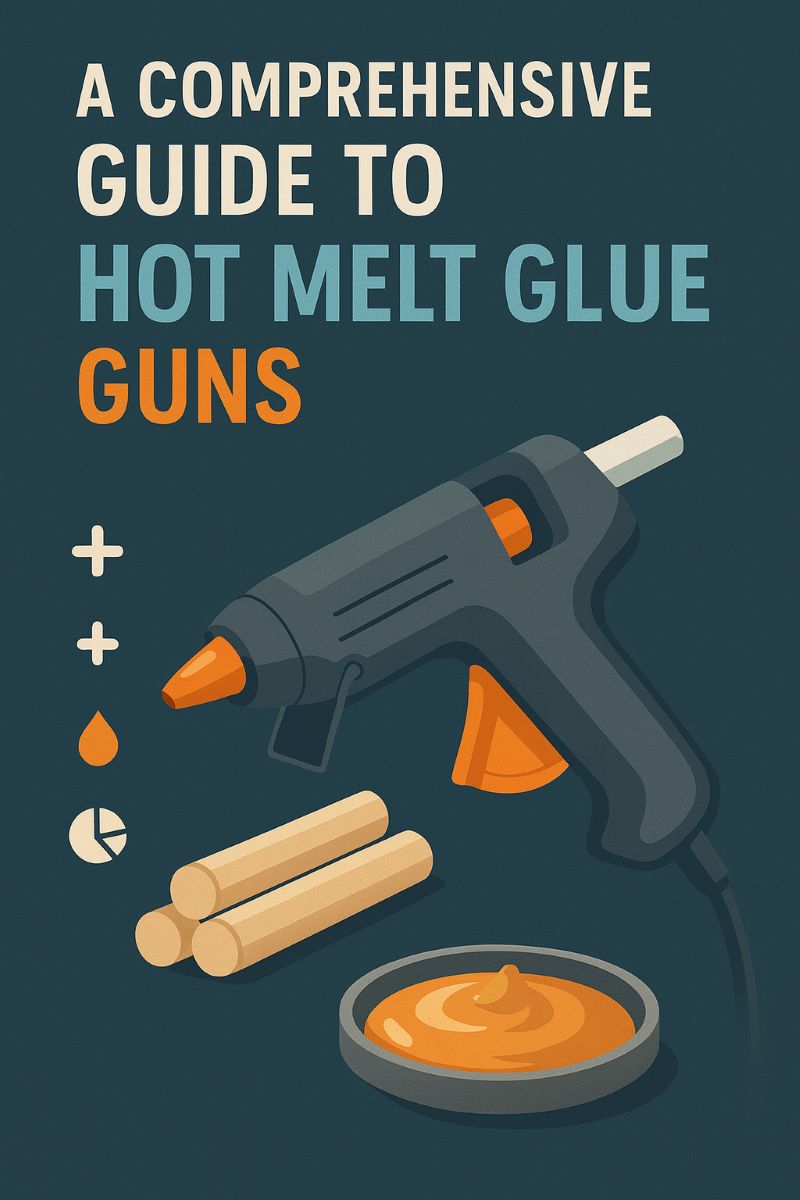
For DIY, crafts, or low-volume repairs, the most common format is the glue stick. These cylindrical sticks are designed for use in manual glue guns and are perfect for projects that require precision and intermittent application. They are easy to handle, store, and load. In contrast, industrial applications such as packaging, bookbinding, or product assembly rely on bulk forms like pellets, chips, or blocks. These formats are designed to be melted in large tanks integrated into automated production lines, allowing for continuous and consistent dispensing at high speeds. Choosing pellets for a small craft project would be impractical, just as using glue sticks for an automated packaging line would be impossible.
| Adhesive Format | Primary Use Case | Application Method |
|---|---|---|
| Sticks | DIY, crafts, prototyping, manual assembly, repairs | Manual glue gun |
| Pellets / Chips | High-volume industrial, automated packaging, bookbinding | Automated tank melters |
| Blocks / Slugs | Large-scale industrial, specialized automated systems | Bulk tank melters |
Critical Specifications for Compatibility and Performance
Once you have determined the right format, the next step is to dive into the technical specifications. Selecting an adhesive that is incompatible with your equipment or substrate materials is a common cause of bond failure. Ensuring full compatibility is non-negotiable for achieving a strong, reliable bond.
The most important specification to check is equipment compatibility. For glue sticks, this primarily means the diameter. Glue guns are designed for specific stick diameters (e.g., 7mm or 11mm), and using the wrong size can cause jamming or damage the tool. Another critical factor is the temperature type. Adhesives are formulated as either low-temperature (melting around 120°C) or high-temperature (melting around 190°C). Using a low-temp stick in a high-temp gun can cause it to melt too quickly, drip, and create a weak bond.
Beyond equipment, you must consider material compatibility. Adhesives are engineered to bond with specific substrates. A formulation designed for porous materials like paper and cardboard will likely fail on non-porous surfaces like plastic or metal. Always check the product's technical data sheet to confirm it is suitable for the materials you intend to join.
Before making a bulk purchase, always test a sample of the adhesive with your specific equipment and substrates. This small step can prevent costly errors by verifying bond strength, setting time, and overall performance in your actual working conditions.
The Ultimate Purchasing Checklist and Sourcing Guide
A systematic approach prevents purchasing errors and ensures you get the best value. Before finalizing a purchase, run through a checklist to confirm you have covered all critical aspects. This process applies whether you are buying a single pack of glue sticks or a pallet of industrial pellets. After verifying your needs, the focus shifts to finding a reliable supplier.
Your purchasing source will depend on your application's scale. For hobbyists and small businesses, online marketplaces and local hardware or craft stores offer convenience and a wide selection of standard glue sticks. For industrial users, sourcing from specialty industrial suppliers or directly from manufacturers is often more effective. These suppliers provide detailed technical data sheets, offer bulk pricing, and can provide expert advice on selecting the right formulation for highly specific applications, such as food-grade packaging or high-heat automotive assembly.
| Checklist Item | Description | Why It's Important |
|---|---|---|
| Application | Define the primary use (e.g., packaging, woodworking, electronics). | Determines required bond strength, flexibility, and resistance. |
| Substrates | List all materials to be bonded (e.g., cardboard, plastic, wood). | Ensures chemical compatibility and proper adhesion. |
| Equipment | Note the required format (stick, pellet) and specs (diameter, temp). | Prevents equipment damage and ensures proper dispensing. |
| Volume | Estimate your usage (e.g., sticks per month, kilograms per week). | Informs the choice between retail packs and bulk purchasing. |
Application-Specific Adhesive Recommendations
While specific product recommendations are outside the scope of this guide, understanding which adhesive properties are best suited for common applications can guide your selection process. Different industries and projects have unique demands that require specialized formulations. Matching the adhesive's characteristics to the application's end-use environment is the final key to success.
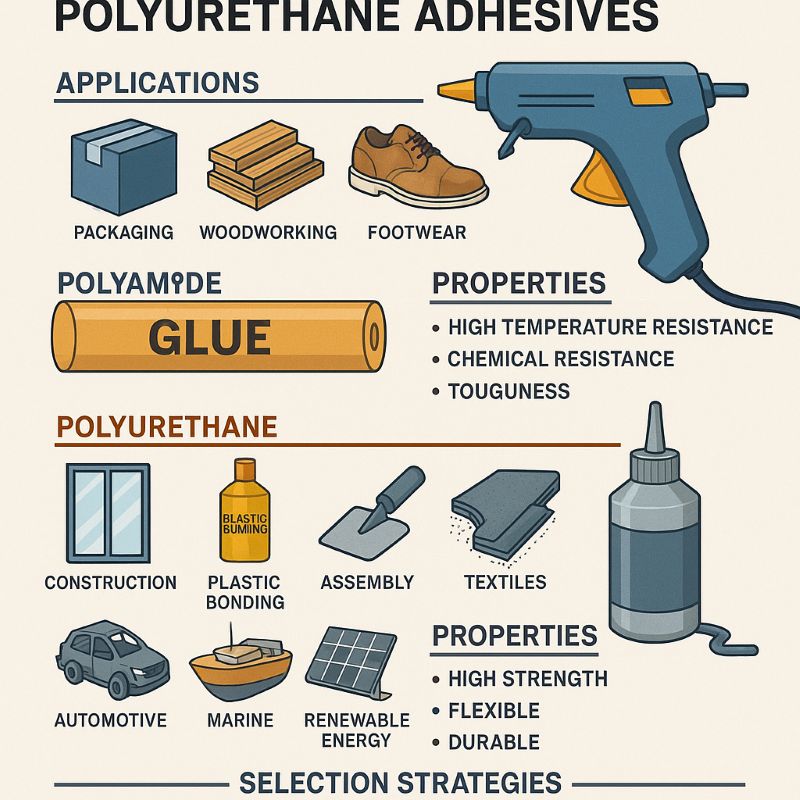
For packaging and case sealing, a fast-setting adhesive with strong adhesion to corrugated cardboard and paperboard is essential. These adhesives need to perform reliably across a range of temperatures encountered during shipping and storage. For woodworking and furniture assembly, a formulation with a longer "open time" (the time before the adhesive sets) is often preferred. This allows for more precise positioning of parts before the bond becomes permanent. The adhesive should also be strong and slightly flexible to withstand stress and movement. In electronics, adhesives are used for potting or encapsulating components. These applications require non-corrosive formulations with good thermal stability and electrical insulation properties.
⚠️CAUTION
Always prioritize safety when working with hot melt adhesives. Molten adhesive can cause severe burns. Wear appropriate personal protective equipment (PPE), including heat-resistant gloves and safety glasses, and ensure proper ventilation, especially in industrial settings.