


Table of Contents
- What is a Hot Melt Adhesive?
- Key Raw Materials and Their Functions
- The Heart of the Process: Mixing and Melting
- From Liquid to Solid: Shaping and Quality Control
- Practical Problem-Solving in Manufacturing
In today's high-speed manufacturing landscape, efficiency is paramount. How are millions of packages sealed, books bound, and electronic components assembled every hour with flawless precision and speed? The answer often lies in an unseen but powerful technology: hot melt adhesive (HMA). This is not just another type of glue; it's a sophisticated, solid-state solution that becomes a liquid adhesive on demand. The hot melt adhesive manufacturing process is a finely tuned industrial art, blending chemistry and engineering to create products that are not only fast and reliable but also environmentally responsible. This guide delves into the practical, step-by-step world of HMA production, from raw material selection to final quality assurance, providing a comprehensive overview for industry professionals and newcomers alike.
What is a Hot Melt Adhesive? 🧪
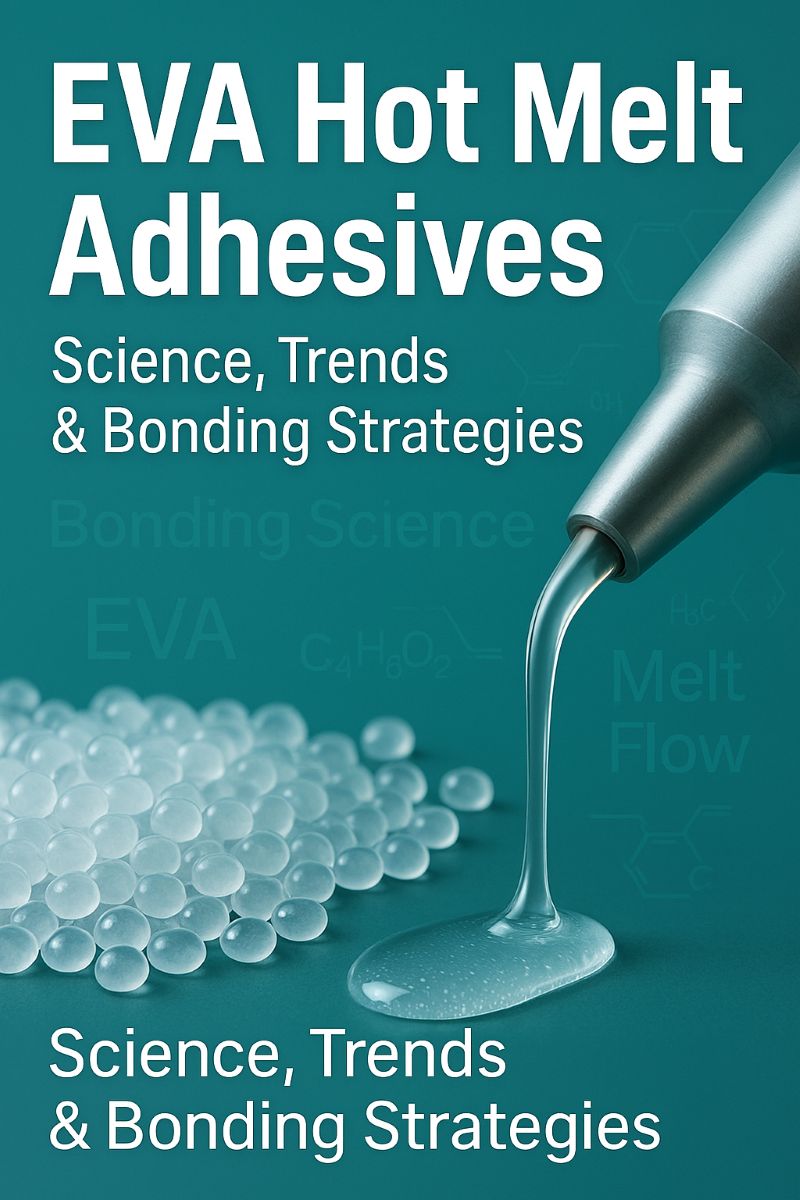
A hot melt adhesive is a type of thermoplastic adhesive that is 100% solid at room temperature. Its working principle is remarkably simple yet effective: it is applied in a molten state after being heated and then rapidly solidifies upon cooling to form a strong bond. Unlike solvent-based or water-based adhesives, HMAs contain no water or solvents that need to evaporate. This fundamental difference is the source of their primary advantages. The absence of solvents makes them more environmentally friendly by eliminating the release of volatile organic compounds (VOCs). Furthermore, the rapid solidification allows for extremely fast-setting times, making them ideal for high-speed automated production lines in industries such as packaging, bookbinding, furniture assembly, and electronics. The entire bonding process is a physical change, not a chemical one, meaning the adhesive can be re-melted and re-solidified, a key characteristic of thermoplastic materials.
| Feature | Hot Melt Adhesives (HMA) | Solvent-Based Adhesives |
|---|---|---|
| Form | 100% Solid at room temperature | Liquid containing solvents |
| Curing Mechanism | Physical change (cooling/solidification) | Chemical change (solvent evaporation) |
| Setting Speed | Very fast (seconds) | Slow to moderate (minutes to hours) |
| Environmental Impact | Low (No VOCs) | High (VOC emissions) |
| Application | High-speed, automated lines | Manual or slower processes |
Key Raw Materials and Their Functions 🔬
The performance of a hot melt adhesive is determined by the careful formulation of its core components. Each ingredient plays a specific role, and their precise ratio is critical to achieving the desired properties like viscosity, open time, and bond strength. Successful hot melt adhesive manufacturing hinges on understanding these foundational materials.
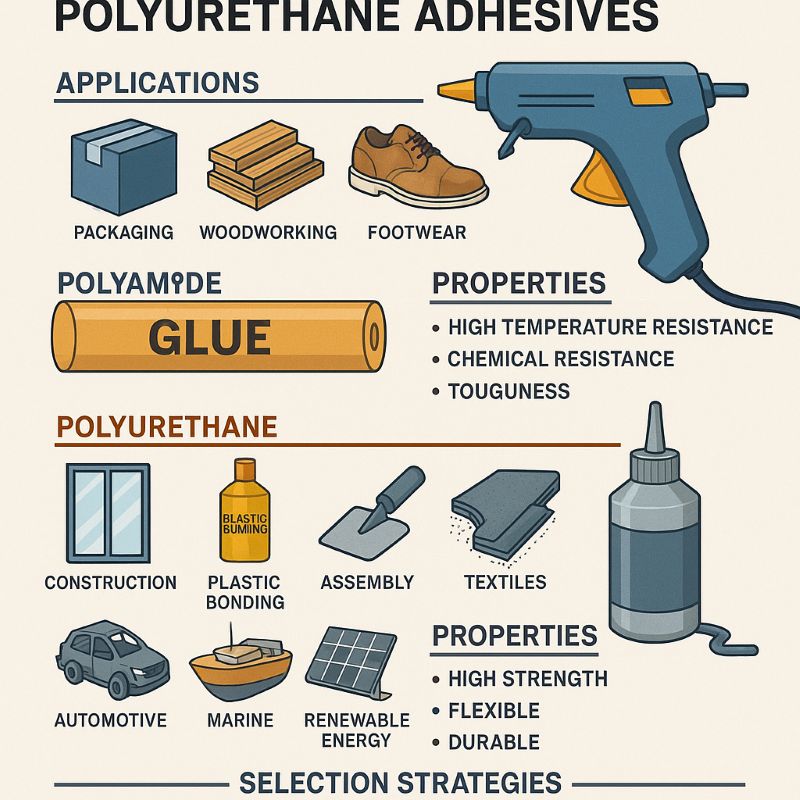
- Base Polymer: This is the backbone of the adhesive, providing its fundamental strength, flexibility, and thermal stability. Common polymers include Ethylene-vinyl acetate (EVA), polyolefins (like polyethylene and polypropylene), and polyamides. The choice of polymer dictates the adhesive's primary characteristics, such as its resistance to heat and chemicals.
- Tackifier (Resin): As the name suggests, tackifiers are added to increase the initial "stickiness" or tack of the adhesive. They are crucial for ensuring the adhesive can wet the substrate surface and form an immediate bond. Natural resins like rosins or synthetic hydrocarbon resins are commonly used.
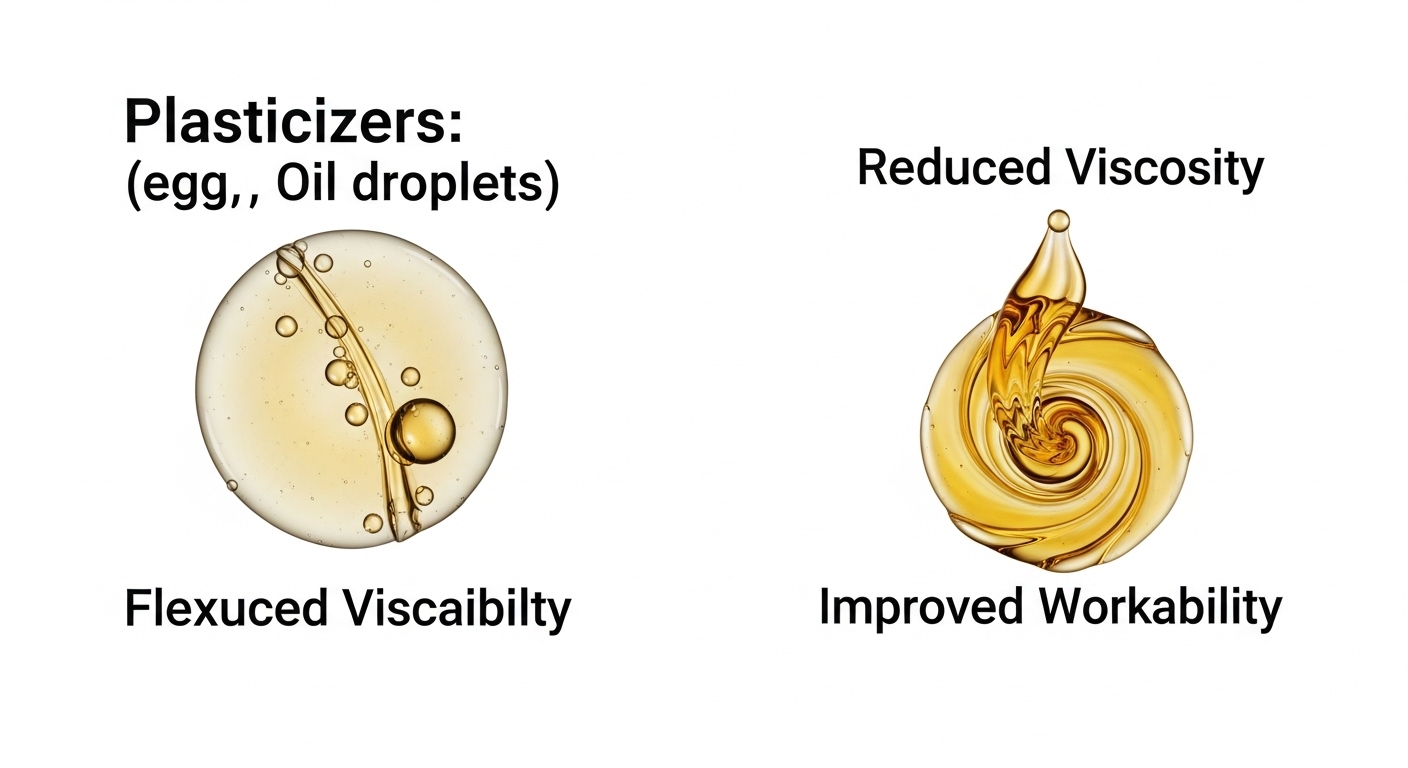
- Wax: Waxes are primarily used to modify the adhesive's viscosity when molten, making it easier to apply. They also help control the open time (the window during which a bond can be formed) and the setting speed. Paraffin and microcrystalline waxes are typical choices.
- Antioxidants and Additives: Hot melt adhesives are processed at high temperatures, which can cause them to degrade or oxidize. Antioxidants are vital for protecting the polymer backbone during manufacturing and application, preventing charring and maintaining performance. Other additives can be included to impart specific properties like color or UV resistance.
💡KEY POINT
- Base Polymer: Provides structural integrity and strength.
- Tackifier: Delivers initial tack and surface wetting properties.
- Wax: Controls viscosity, open time, and setting speed.
- Additives: Protect against thermal degradation and add special features.
The Heart of the Process: Mixing and Melting 🔥
This stage is where the individual raw materials are transformed into a homogeneous molten adhesive. The process requires precision equipment and strict control over process parameters to ensure a consistent, high-quality product. It begins with accurate dosing, where raw materials are measured and fed into a specialized mixer according to the formulation. These mixers, such as sigma blade mixers or twin-screw extruders, are jacketed to allow for heating. The materials are heated to a specific temperature, typically between 150°C and 200°C, causing them to melt. Simultaneously, the mechanical action of the mixer blades or screws ensures all components are thoroughly and uniformly blended. Homogenization is critical; an uneven mixture will result in an adhesive with inconsistent performance, leading to bond failures in the final application.
Effective temperature management is the single most important factor in the mixing and melting stage. Set the temperature high enough to ensure all components melt and mix properly but low enough to prevent thermal degradation of the polymer. Using a stepped heating profile—starting cooler and gradually increasing the temperature—can help protect sensitive ingredients and prevent charring.
From Liquid to Solid: Shaping and Quality Control ✅
Once the adhesive is a uniform molten liquid, it must be purified, formed into its final shape, and rigorously tested. This phase ensures the product is free from defects and meets all technical specifications before it reaches the customer.
Filtration and Deaeration
The molten adhesive is first passed through fine-mesh filters to remove any un-melted particles, contaminants, or char that may have formed. Following filtration, the adhesive often undergoes a deaeration or vacuumizing process. This crucial step removes any entrapped air or gas bubbles, which can create voids in the final bond line and compromise adhesion strength.
Forming and Cooling
After purification, the molten adhesive is extruded and formed into its final commercial shape. Common forms include pellets, chips, blocks, or sticks. This is typically achieved using a pelletizer or a die. The formed adhesive is then rapidly cooled on a cooling belt or in a water bath to solidify it quickly, locking in its properties and preventing it from sticking together.
Packaging and Quality Control
The final, solid adhesive is packaged into bags, boxes, or drums. However, before shipment, samples from each batch undergo a series of quality control tests. These tests are essential to guarantee product consistency and performance.
| QC Test Parameter | Purpose | Common Method |
|---|---|---|
| Viscosity | Measures the flow characteristics of the molten adhesive. | Brookfield Viscometer |
| Softening Point | Indicates the temperature at which the adhesive begins to soften. | Ring and Ball Apparatus |
| Bond Strength | Measures the adhesive's ability to hold substrates together. | Peel/Shear Tests |
| Appearance | Ensures the product is free from contamination, bubbles, and discoloration. | Visual Inspection |
Practical Problem-Solving in Manufacturing 🛠️
Even in the most well-managed hot melt adhesive production facilities, issues can arise. Identifying the root cause and implementing the correct solution is key to maintaining efficiency and product quality. Here are some common problems and their solutions:
- Inconsistent Viscosity: If batch-to-batch viscosity varies, the primary culprits are often poor temperature control or inaccurate raw material dosing. Solution: Calibrate all temperature sensors and thermocouples regularly. Double-check and verify the calibration of the weighing and dosing systems to ensure formulation accuracy.
- Charring or Gelling: The appearance of dark specks (char) or hardened gels in the adhesive indicates thermal degradation. This is usually caused by overheating, excessive mixing time, or an insufficient amount of antioxidant. Solution: Lower the processing temperature to the minimum required for proper melting. Optimize the mixing cycle to avoid prolonged exposure to heat. Verify that the correct level of antioxidant is being added.
- Poor Adhesion: If the final product exhibits weak bonding, the issue could stem from an incorrect formulation, contamination, or degradation. Solution: Review the formulation to ensure the ratios of polymer, tackifier, and wax are correct for the intended application. Check the filtration system for effectiveness and ensure no contaminants are being introduced post-mixing.
⚠️CAUTION
Safety is the top priority in any hot melt manufacturing environment. Molten adhesive is extremely hot and can cause severe burns. Always require personnel to wear appropriate Personal Protective Equipment (PPE), including heat-resistant gloves, safety glasses, and full-coverage clothing when working near processing equipment.