


Table of Contents
- Understanding Hot Melt Adhesives: Basics and Applications
- Everyday & Small-Scale Purchases: Your Local Options
- The Digital Aisle: Buying Adhesives Online
- Industrial & Bulk Sourcing: Connecting with Professional Suppliers
- Your Pre-Purchase Checklist: Selecting the Perfect Adhesive
Have you ever wondered what holds together everything from your breakfast cereal box to the interior of your car? The answer is often a powerful, versatile bonding agent: hot melt adhesive. As we navigate 2026, the demand for this thermoplastic glue, also known as hot melt glue, is higher than ever for both hobbyists and large-scale manufacturers. However, knowing where to buy the right type for your specific project can be challenging. This guide is designed to demystify the purchasing process, leading you to the perfect channel and product for your needs, whether you're tackling a simple home repair or managing a high-volume production line.
Understanding Hot Melt Adhesives: Basics and Applications
At its core, a hot melt adhesive is a thermoplastic material that is solid at room temperature and liquefies when heated. Once applied, it cools and solidifies rapidly, creating a strong bond. This fast-setting characteristic makes it incredibly efficient for a wide range of applications. Unlike solvent-based adhesives, hot melts contain no water or solvents, which means they have a long shelf life and are generally considered safer to handle and store.
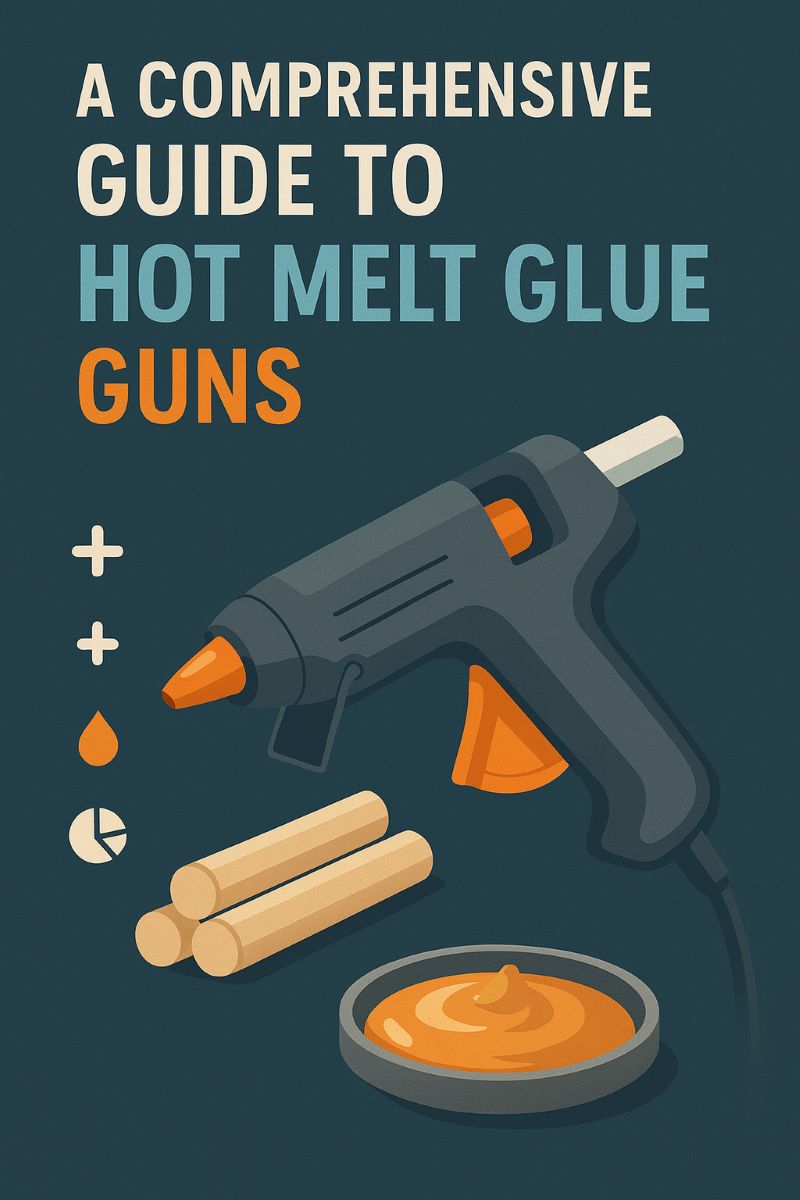
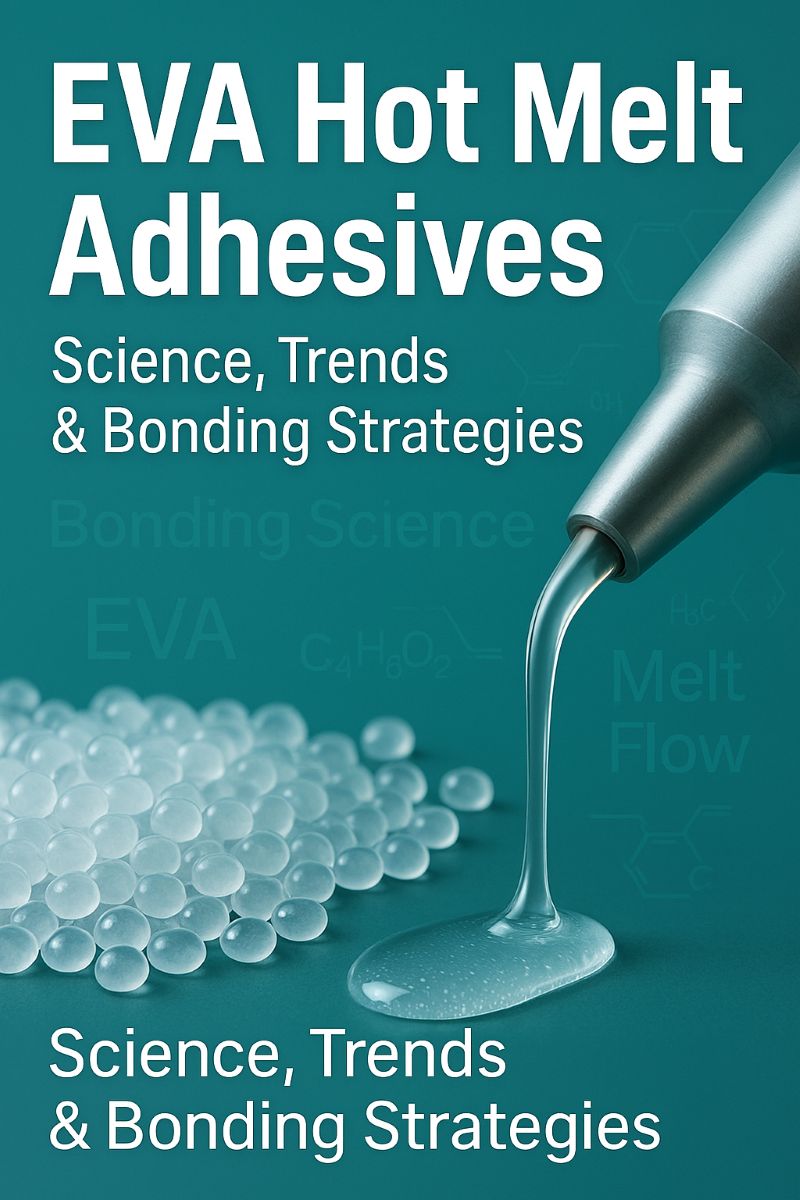
The versatility of hot melt adhesives stems from their varied formulations, which are tailored for different materials and performance requirements. They are indispensable in packaging, woodworking, bookbinding, electronics assembly, and countless DIY crafts. For consumers, they are most commonly found in the form of cylindrical sticks used with a "hot glue gun." For industrial purposes, they come in various forms, including pellets, chips, and blocks, designed for automated application systems. Understanding this fundamental difference between consumer-grade and industrial-grade products is the first step in your purchasing journey.
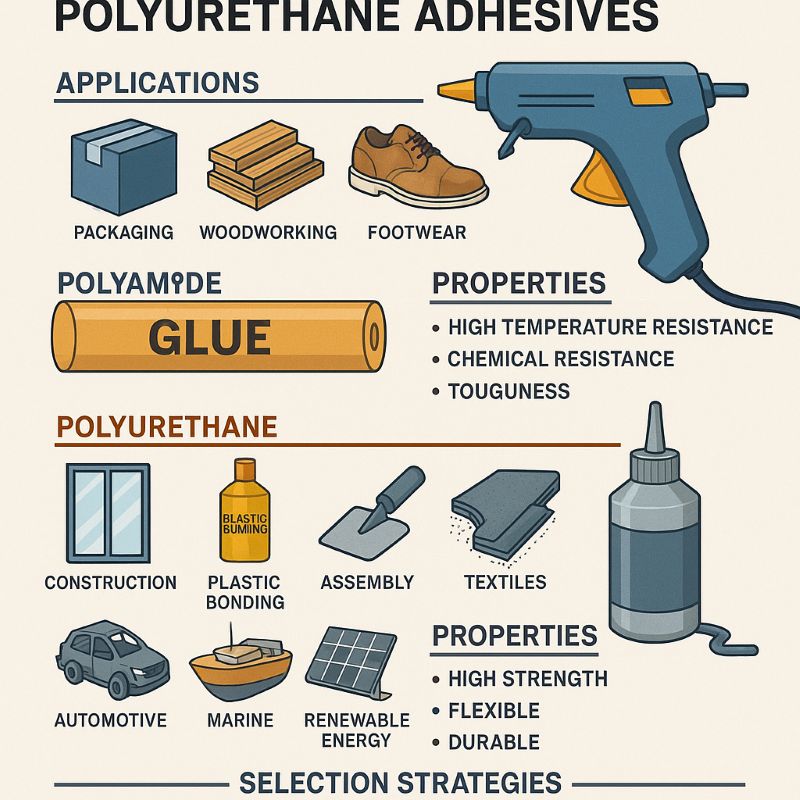
| Adhesive Type | Common Application | Key Characteristic |
|---|---|---|
| EVA-Based | General crafts, packaging | Cost-effective and versatile |
| Polyamide-Based | Electronics, automotive | High heat and chemical resistance |
| Polyolefin-Based | Difficult-to-bond plastics | Excellent adhesion to non-porous surfaces |
Everyday & Small-Scale Purchases: Your Local Options
For DIY enthusiasts, hobbyists, or anyone needing a small quantity of adhesive for a quick home repair, local retail stores are the most convenient option. You can find hot melt adhesive sticks, often labeled as "hot glue sticks," in a variety of establishments without needing to plan far in advance.
These physical stores offer the advantage of immediate availability. You can walk in, select the product you need, and start your project the same day. This channel is ideal for general-purpose adhesives, typically used in glue guns for crafting, minor repairs on furniture, or securing decorations. When browsing the aisles of hardware stores, craft suppliers, or large general merchandise retailers, you will find packs of various sizes, often categorized by diameter and length to fit different glue gun models. Some may also be specified for multi-temperature or high-temperature guns.
When buying in a retail store, check the packaging for key information. Look for the recommended application temperature (low or high) and the types of materials the adhesive is designed to bond (e.g., wood, fabric, plastic, metal). This ensures you get a product that matches both your glue gun and your project's needs.
The Digital Aisle: Buying Adhesives Online
For those who prefer a wider selection or need a more specialized product not available locally, online marketplaces and direct-to-consumer websites are an excellent resource. The primary benefit of shopping online is the sheer breadth of options. You can compare dozens of brands, formulations, and quantities from the comfort of your home or office.
Online shopping allows you to find hot melt adhesive products tailored for specific applications, such as woodworking, electronics, or even food-safe packaging. User reviews and ratings provide valuable insights into product performance that you cannot get in a physical store. Furthermore, competitive pricing and the ability to buy in larger quantities can lead to significant cost savings, especially for small business owners or serious hobbyists. To get the best results, use specific search terms like "high-performance hot melt sticks," "industrial hot melt pellets," or "adhesive for bonding plastics" to narrow down your search and find the perfect match for your project.
💡KEY POINT
- Pros of Buying Online: Vast selection, access to specialized formulas, competitive pricing, user reviews, and convenient delivery.
- Cons of Buying Online: Cannot inspect the product physically before purchase, potential shipping delays, and the need for careful research to ensure product quality.
Industrial & Bulk Sourcing: Connecting with Professional Suppliers
When your needs extend beyond a few glue sticks and into high-volume manufacturing or specialized industrial applications, sourcing directly from professional suppliers is essential. These suppliers provide hot melt adhesives in bulk forms like pellets, chips, or blocks, which are designed for use in automated industrial machinery. This is the go-to channel for industries such as packaging, automotive assembly, furniture manufacturing, and non-woven product fabrication.
Connecting with an industrial supplier involves more than a simple transaction; it's about forming a partnership. These experts can provide technical consultation to help you select the precise adhesive formulation for your substrates, production speed, and end-use environment. They offer technical data sheets (TDS) and material safety data sheets (MSDS) that detail the adhesive's properties, including viscosity, open time, set time, and heat resistance. Building a relationship with a reliable supplier ensures consistent quality, stable supply, and access to technical support.
| Sourcing Step | Action Item | Purpose |
|---|---|---|
| 1. Identify Needs | Define your application, substrates, and volume | To narrow down potential suppliers and adhesive types |
| 2. Research Suppliers | Search for industrial adhesive manufacturers or distributors | To create a shortlist of qualified partners |
| 3. Request Information | Contact suppliers for technical data sheets and samples | To evaluate product performance and suitability |
| 4. Test & Validate | Conduct trials with samples on your production line | To confirm compatibility and bond strength |
| 5. Negotiate & Order | Discuss pricing, delivery schedules, and place a bulk order | To secure a reliable supply chain for your operations |
Your Pre-Purchase Checklist: Selecting the Perfect Adhesive
Choosing the right hot melt adhesive is critical to the success of your project. An incorrect choice can lead to bond failure, damaged materials, or production inefficiencies. Before making a purchase in 2026, whether it's a single pack of glue sticks or a pallet of industrial pellets, run through this essential checklist to ensure you select the most suitable product.
Substrate Compatibility
First and foremost, identify the materials you need to bond. Are they porous like wood and paper, or non-porous like plastic and metal? Different adhesives are formulated to adhere to specific surfaces. A general-purpose adhesive might work for simple crafts, but bonding challenging plastics like polypropylene may require a specialized polyolefin-based hot melt.
Performance Requirements
Consider the conditions the final product will face. Will it be exposed to high temperatures, moisture, or chemicals? An adhesive for an outdoor application needs to be far more durable than one used for indoor packaging. Key properties to look for are heat resistance, flexibility at low temperatures, and open time (the window during which the adhesive remains molten and bondable).
Application Method
Finally, ensure the adhesive is compatible with your equipment. For consumers, this means matching the glue stick diameter to your glue gun. For industrial users, it means matching the adhesive's viscosity and form (pellets, chips) to your automated dispensing system.
💡KEY POINT
- Check 1: Materials: What are you bonding together? (e.g., paper, wood, plastic, metal)
- Check 2: Conditions: What environmental stresses will the bond face? (e.g., heat, cold, moisture)
- Check 3: Equipment: Is the adhesive format compatible with your application tool or machine?