


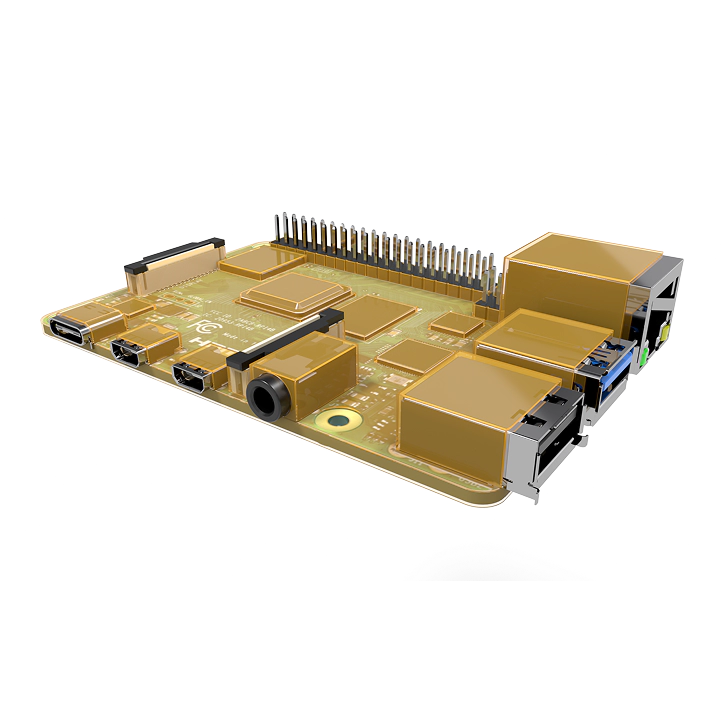
Low pressure molding defects troubleshooting usually comes down to four symptoms (voids, short shots, flash and poor adhesion) and three places to look for the cause: the material (moisture and heat history), the mold (venting, gating and sealing) and the process settings (temperature, pressure and time). Low pressure molding (LPM) injects molten polyamide hot melt into a mold at low pressure to encapsulate PCBs, sensors and connectors. The low pressure protects delicate components, but it also means small deviations in temperature, flow or surface condition show up quickly as cosmetic defects or leaks. This guide walks through each defect, its typical causes and a practical check order.
Key takeaways
- Sort causes into material, mold and process before changing settings.
- Change one parameter at a time and record the result; random adjustments hide the real cause.
- Poor adhesion is most often a surface contamination or substrate-grade mismatch, not a pressure problem.
Why low pressure molding defects happen
Compared with conventional injection molding, LPM generally runs at much lower pressures and melt temperatures. The polyamide flows slowly into the cavity, contacts the mold wall and the insert, and solidifies as it cools. Because the window between "not filled" and "over-filled" is shaped by viscosity, temperature and venting, most defects trace back to one of three areas.
- Material: absorbed moisture, degradation from overheating or long residence time, and grade selection.
- Mold: gate location, vent size and position, parting line condition, insert and cable sealing, and mold temperature.
- Process: melt temperature, injection pressure and time, hold pressure and cooling time.
Baseline settings are covered in Low Pressure Molding Process Parameters, and mold features in Low Pressure Molding Mold Design.
Low pressure molding defects troubleshooting at a glance
The table below summarizes the four defects seen most often on LPM lines, their usual causes and a sensible first action.
Low pressure molding defects: main causes and first actions
| Defect | Main causes | First action |
|---|---|---|
| Voids / bubbles | Moisture, trapped air, poor venting | Keep material dry; improve vents |
| Short shot | Low temperature or pressure, narrow flow path | Check melt, hose and mold temperatures |
| Flash | Mold gaps, excessive pressure | Check parting line and insert sealing |
| Poor adhesion | Contamination, substrate mismatch, cold mold | Clean parts; confirm grade per substrate |
General examples. Confirm the actual cause with the material data sheet, mold design and machine settings.
Treat these as starting points. After each change, mold several parts under identical conditions, compare them with the previous batch and record what you changed. A simple log of settings and results makes the next problem far easier to solve.
Voids and short shots
Voids and bubbles are the most common LPM defect. Polyamides can absorb moisture from humid air, and that water turns to steam in the melt. Keep bags sealed until use, reseal opened bags immediately and avoid filling the hopper with more material than the line will use in a reasonable time, especially in humid seasons. On the mold side, air must be able to escape where the flow front arrives last; if there is no vent there, air is trapped and forms a void. Very fast injection can also fold air into the melt.
Short shots occur when the melt freezes before it reaches the end of the cavity. Typical causes are a melt or mold temperature that is too low, insufficient injection pressure or time, or a flow path that is too narrow between tall components. Before raising temperatures, confirm that hoses and nozzles actually reach their set points, and check filters and nozzles for char that restricts flow. Stay within the data sheet range: excessive heat speeds up degradation and makes flash more likely.
Flash and poor adhesion
Flash is a thin film of material that escapes through gaps in the mold. Even at low pressure, a low-viscosity melt finds small gaps easily. Common sources are a worn parting line, gaps around cable entries or connector inserts, and insufficient clamping. Pressure or temperature set higher than necessary makes flash worse. Where cable diameters vary, rubber seals or matched inserts help close the gap.
Poor adhesion shows up as parts peeling from the substrate or leaking during water-tightness tests. Flux residue, release agents and handling oils are frequent causes, and different substrates such as PVC, PA6, metals and solder mask respond differently to each grade. A cold mold or insert can also cause the melt to freeze before it wets the surface. Check the cleaning process first, then ask the material supplier for substrate-specific adhesion data. If a sealing target is required, agree on the test method in advance, for example an ingress protection rating under IEC 60529.
A practical check order
| Step | What to check | What to record |
|---|---|---|
| 1. Material | Storage, time since opening, lot | Lot number, storage conditions |
| 2. Machine | Actual tank, hose and nozzle temperatures | Set and measured values |
| 3. Mold | Vents, parting line, insert sealing | Wear or contamination spots |
| 4. Process | Pressure, time, cooling | Before and after settings |
| 5. Substrate | Cleanliness, material changes | Cleaning method, material |
Long residence time in the tank causes darkening and char that affect both flow and appearance, so reduce to a standby temperature during breaks and keep tank turnover healthy. For application examples, see Sensor Overmolding with Polyamide, and for the case for LPM itself, Low Pressure Molding vs Potting.
LPM polyamides from SILVERSTAR CHEMICAL
SILVERSTAR CHEMICAL Co., Ltd. has produced its own polyamide hot melts since 2011 and supplies solvent-free polyamides for low pressure molding under the ERAMID brand. They are used to protect PCBs, sensors, connectors and wire harnesses, with UL 94 V-0 flame-retardant grades and grades with thermal stability up to 200°C, and are designed for shorter cycles than potting. Raw material selection, formulation and quality inspection are done in-house, and custom viscosities and formulations can be developed.
See the polyamide for LPM solution page and the SILVERSTAR CHEMICAL company FAQ. Grade reviews for specific defect cases are provided on inquiry.
Frequently Asked Questions
Q. What is the most common low pressure molding defect?
Voids or bubbles are the most common. They are usually caused by moisture absorbed by the polyamide turning to steam in the melt, or by air trapped where the mold has no vent.
Q. How do I fix short shots in low pressure molding?
Confirm that hoses and nozzles reach their set temperatures, check injection pressure and time, and look for char restricting flow. Adjust melt and mold temperatures only within the data sheet range.
Q. What causes flash in LPM?
Gaps at a worn parting line or around cables and inserts, insufficient clamping, and pressure or temperature set higher than necessary. Seals or matched inserts help where cable diameters vary.
Q. Why does the overmold peel off the PCB or cable?
Typical causes are flux residue or release agents on the surface, a grade that does not suit the substrate, or a mold and insert that are too cold for the melt to wet the surface.
Q. Can SILVERSTAR CHEMICAL help with LPM defects?
SILVERSTAR CHEMICAL manufactures ERAMID polyamides for LPM and can develop custom viscosities and formulations. Grade reviews for specific defect cases are provided on inquiry.
Send photos of the defect along with your material, machine and mold conditions and our team will help review causes and suitable grades. Contact our technical team · Tel +82-55-337-8841 · snschem@snschem.kr