


If you are searching for a polyamide hot melt supplier custom formulation small MOQ option, the fastest path to the right grade is a short brief that covers the application, substrates, temperature range, process equipment, required standards and expected volume. Without that information a supplier can only send a general-purpose grade, and you may spend several rounds of samples learning what a ten-minute conversation could have settled. This guide lists what to prepare, why each item matters, and how to evaluate the samples once they arrive.
Key takeaways
- A clear brief usually cuts the number of sample rounds needed to find a workable grade.
- Substrates, service temperature and process equipment narrow the choice more than anything else.
- Custom formulation and small trial lots are often possible, but terms depend on the supplier and project.
Why the sample request brief matters
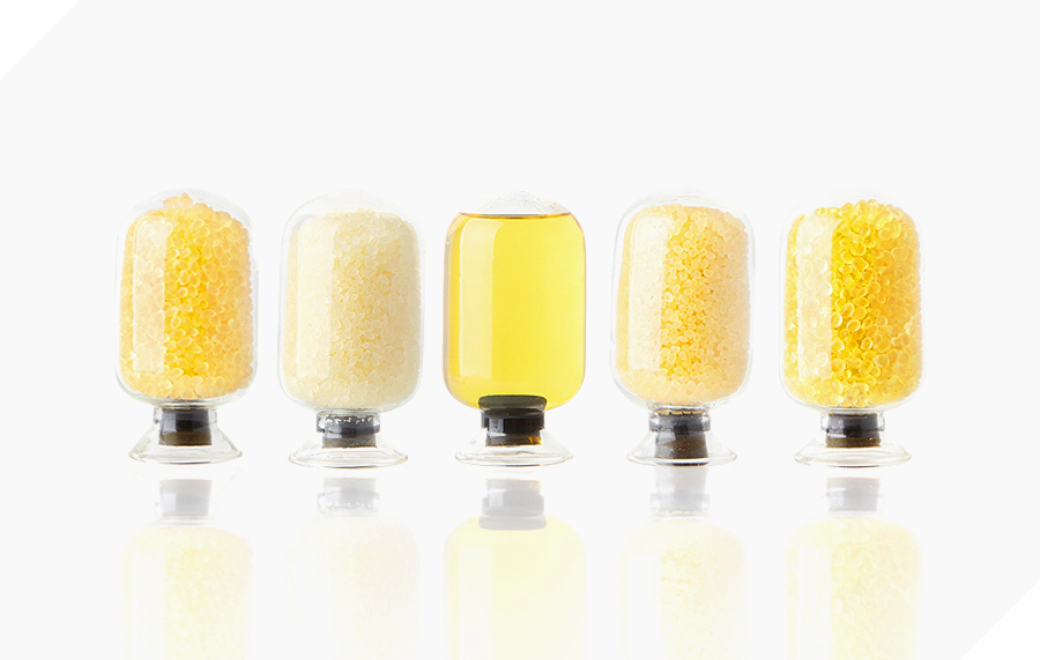
Hot melt adhesives look simple: a solid that melts, wets a surface and sets on cooling. In practice, the same polyamide family covers grades with very different softening points, viscosities, hardness and adhesion profiles. A grade that bonds well to PVC cable jacketing may be a poor match for glass-filled PA6, and a grade designed for fast filter production may set too quickly for a large automotive panel.
Suppliers narrow this range by asking questions. If those answers arrive with the first email, the supplier can shortlist grades immediately, run quick lab checks on similar substrates and send samples that already fit the process window. If they arrive one by one over several weeks, each sample round becomes a guess. For engineers under time pressure, the brief is the cheapest way to shorten a qualification program.
Information a polyamide hot melt supplier needs
The checklist below covers the information most suppliers ask for. You do not need every item before the first contact, but each one removes uncertainty.
Sample request checklist
- ✔ Application and part: what is bonded, sealed or molded
- ✔ Substrates on both sides, including coatings or surface treatments
- ✔ Service temperature range, minimum and maximum
- ✔ Chemical, oil, fuel or moisture exposure in service
- ✔ Application equipment, nozzle or mold, and current melt temperature
- ✔ Target open time, set time or cycle time
- ✔ Required standards: flammability, emissions, customer material specs
- ✔ Expected annual volume and the size of the first trial lot
Not every item is needed for every project, but the more of them you share, the fewer sample rounds are usually required.
Three items usually matter most. Substrates decide whether a polyamide grade will wet and bond at all; polar plastics, metals and many coatings behave very differently from polyolefins. Service temperature sets the minimum softening point and the low-temperature flexibility the bond must keep. Process equipment defines the practical melt temperature and viscosity range, because a low pressure molding machine, a hand gun and a slot-die coater all have different limits.
Polyamide hot melt supplier custom formulation small MOQ: what to expect
Many buyers search for a polyamide hot melt supplier custom formulation small MOQ because their part is new, their volume is still uncertain, or a standard grade almost works but not quite. Custom work is common in this industry, and it typically moves through stages rather than starting with a full production batch.
| Stage | Typical purpose | What you provide |
|---|---|---|
| Lab samples | Check wetting, adhesion and handling | Substrate pieces, process conditions |
| Adjusted samples | Tune viscosity, open time or flexibility | Test results from the first round |
| Trial lot | Run on the real line or mold | Line trial plan and quantity |
| Production | Fixed grade and quality checks | Specification and forecast |
Minimum order quantities, lead times and sample charges vary by supplier, grade and how much formulation work is involved, so ask early rather than assume. Sharing an honest volume forecast helps the supplier plan whether a trial can run from existing stock or needs a dedicated batch. If you are setting up an alternate source for an existing part, the steps in How to Qualify a Second-Source Polyamide Hot Melt Supplier fit well with this approach.
How to evaluate the samples you receive
Once samples arrive, plan the evaluation so that results are comparable and easy to share back with the supplier.
- Record the process conditions. Note melt temperature, nozzle or mold temperature, pressure, open time and cooling time for every test. A grade can look poor simply because it was run outside its window.
- Use real substrates. Test on production parts or offcuts with the same surface finish, mold release and cleaning steps.
- Test before and after aging. Initial bond strength matters, but heat aging, thermal cycling, humidity or fluid immersion often separate grades more clearly.
- Look at failure mode. Cohesive failure inside the adhesive, adhesive failure at the interface, and substrate failure point to different adjustments.
Send the results back with photos of the failed joints. A supplier can learn more from a picture of a peeled sample than from a single number, and it often leads directly to the right adjustment in the next round.
Common mistakes that slow grade selection
A few patterns repeatedly add weeks to a project. The first is asking for "a high-strength grade" without stating the substrates or temperature; strength depends on both, so the answer is rarely useful. The second is changing several process variables at once during trials, which makes it hard to tell what improved the result. The third is leaving regulatory requirements until the end. If the part must meet a flammability rating, low emissions or a customer material specification, mention it on day one, because it can rule out grades that otherwise perform well.
Finally, store samples correctly. Polyamide hot melts can absorb moisture from the air, which may cause bubbles or a change in viscosity during melting. Keep bags sealed until use and note how long a sample was open before testing.
Requesting samples from SILVERSTAR CHEMICAL
SILVERSTAR CHEMICAL Co., Ltd. manufactures ERAMID polyamide hot melts in Yangsan, Republic of Korea, and handles raw material selection, formulation and quality inspection in-house. The product range covers low pressure molding of PCBs, sensors, connectors and wire harnesses, filter bonding and sealing, automotive interiors, road marking and gravure ink resins. Common features include VOC- and halogen-free formulations, high bond strength and heat and chemical resistance, with custom viscosity and formulation development available. The company exports to the United States, Japan, Europe and Asia.
Sample terms, lead times and minimum quantities are discussed per project on inquiry. See special-purpose hot melt solutions, buyer notes in Sourcing Polyamide Hot Melt from South Korea, and the SILVERSTAR CHEMICAL company FAQ.
Frequently Asked Questions
Q. What should I send when looking for a polyamide hot melt supplier custom formulation small MOQ trial?
Share the application, both substrates, the service temperature range, your application equipment and current settings, required standards and your expected volume. With that brief, a supplier can shortlist grades and propose a realistic trial quantity.
Q. How many sample rounds are usually needed?
It varies by project. A complete brief and well-documented test results often reduce the process to one or two rounds, while missing information can stretch it to several.
Q. Should I test samples on lab panels or real parts?
Start with whatever is quickest, but confirm on real parts with the production surface finish and cleaning steps, because mold release and coatings strongly affect adhesion.
Q. Why do my polyamide samples bubble during melting?
A common cause is moisture absorbed from the air after the bag was opened. Keep samples sealed, use them promptly, and ask the supplier about drying if bubbles persist.
Q. Does SILVERSTAR CHEMICAL provide samples and custom grades?
Yes. SILVERSTAR CHEMICAL develops custom viscosity and formulations for ERAMID polyamide hot melts. Sample terms, lead times and quantities are discussed per project on inquiry.
Send your application brief and we will suggest grades to test. Contact our technical team · Tel +82-55-337-8841 · snschem@snschem.kr