


A polyamide hot melt for automotive headliner bonding is chosen mainly for its heat and creep resistance, fast set and low content of volatile additives, which help parts stay bonded under a hot roof while meeting cabin fogging and odor limits. Headliners and door panels combine many materials, from fiber-reinforced cores and polypropylene carriers to fabrics, foams and plastic clips. Each joint has to survive summer heat, winter cold, humidity and years of vibration without sagging, rattling or giving off smell. This article explains where hot melts are used in these parts, what requirements matter and how the main hot melt families compare.
Key takeaways
- Headliners and door panels use hot melts for lamination, edge wrapping, clips, brackets and acoustic pads.
- Key requirements are heat and creep resistance, low fogging and odor, flammability compliance and aging stability.
- Polyamide hot melts suit hot, loaded joints; the right family depends on substrate, process and specification.
Where hot melts are used in headliners and door panels
A headliner is usually a layered part: a rigid or semi-rigid core (often a fiber-reinforced or foam-based board), a decorative face fabric and sometimes a foam layer between them. Hot melts are used to laminate the layers, to wrap and fix fabric around edges and cut-outs, and to attach clips, brackets, wiring guides, sun visor mounts and acoustic or thermal pads.
Door panels combine an injection-molded or fiber-composite carrier with decorative inserts, armrest pads, fabric or skin materials, map pockets and sound-absorbing felt. Hot melts bond inserts and pads, fold skins over edges and fix small components where screws or clips would add weight and assembly time.
In both parts, adhesive is applied by spraying, roller coating, slot nozzles or bead application, often on automated lines where open time and set speed directly affect cycle time.
What polyamide hot melt for automotive headliner bonding must deliver
Interior specifications differ by vehicle maker and part, but the same groups of requirements appear again and again.
- Heat and creep resistance. A car parked in the sun can heat the roof area well above outside temperature. Fabric edges and pads must not peel or sag under their own weight or spring-back force. Specifications commonly test bonds at elevated temperatures, often somewhere in the range of 80-110°C as an example, sometimes under load.
- Cold performance. Joints should not become brittle and crack at low temperatures, especially near clips and brackets that take impact.
- Low fogging, odor and emissions. Volatile components can condense on the windshield or create cabin odor. Fogging is commonly evaluated with methods such as ISO 6452, DIN 75201 or SAE J1756, and emissions with chamber or thermal desorption methods defined by each specification.
- Flammability. Interior materials generally need to pass horizontal burn tests such as ISO 3795 or FMVSS 302 as part of the finished assembly.
- Aging and humidity. Heat aging, humidity cycling and climate change tests check that bonds keep their strength over the vehicle life.
For more on what solvent-free and low-emission claims mean in practice, see What Does VOC-Free Mean for Hot Melt Adhesives.
Comparing hot melt families for interior trim
Several hot melt families are used in automotive interiors. Each has a place, and the choice usually comes down to substrate, required heat resistance and the line process.
Hot melt families for headliners and door panels
| Family | Typical strengths | Points to check |
|---|---|---|
| EVA | Low cost, easy to process | Softens at lower temperatures |
| Polyolefin (PO) | Good on PP, long open time | Heat creep, surface prep |
| Polyamide (PA) | Heat resistance, fast set, fewer additives | Melt temperature, moisture |
| Reactive PUR | High final strength after cure | Cure time, moisture handling |
General tendencies for comparison only; individual grades vary widely.
EVA hot melts are economical and easy to run, but they generally soften at lower temperatures, which limits them in hot roof areas. Polyolefin hot melts bond well to polypropylene and offer long open time for large panels, though heat creep and surface preparation need checking. Reactive PUR hot melts reach high strength after moisture cure but need time to cure and careful moisture control in storage and on the line.
Polyamide hot melts sit in between: they set quickly, keep their strength at higher temperatures than many EVA systems and can be formulated with few volatile additives. They need higher melt temperatures and dry handling, so equipment and storage should be planned for them. For a detailed comparison with reactive systems, see Polyamide vs Polyurethane (PUR) Hot Melt.
Process tips for headliner and door panel lines
Even a well-chosen grade will underperform if the process is off. A few points help:
| Process point | Why it matters | What to check |
|---|---|---|
| Melt temperature | Controls viscosity and wetting | Stable tank and hose temperatures |
| Open time | Time to join parts after application | Line speed, part size |
| Coating weight | Too little starves the joint | Even pattern, no gaps |
| Pressing | Ensures contact and wetting | Pressure, time, tool temperature |
| Pellet storage | Moisture affects polyamide melts | Sealed bags, dry storage |
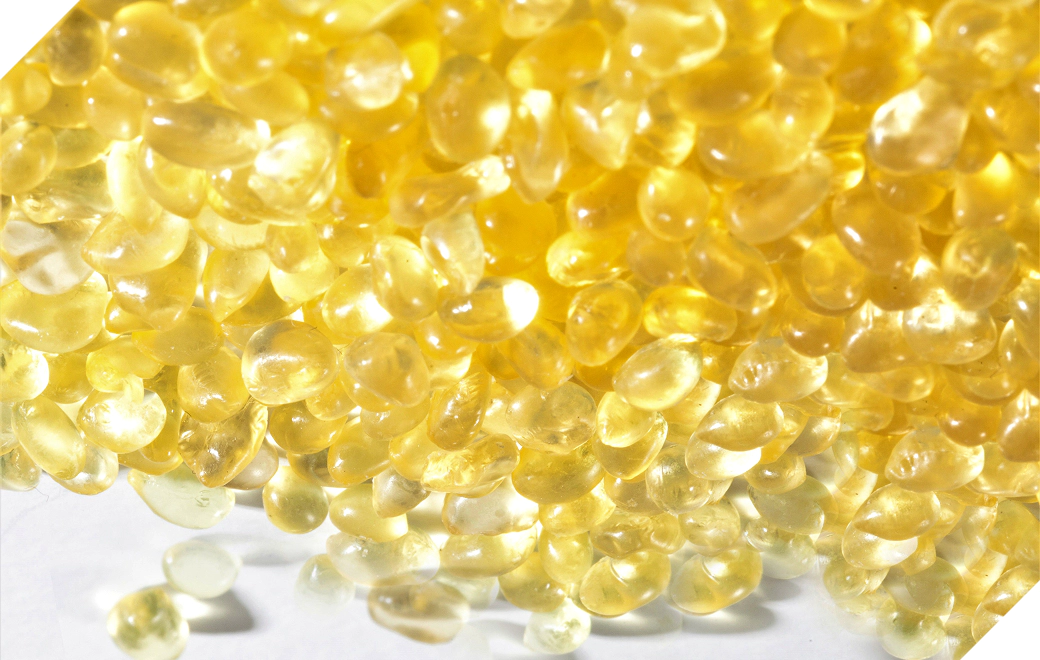
Testing should use real production substrates and the real application method. A sample bonded by hand at the bench can behave very differently from a part coated on a spray line and pressed in a heated tool. Running the full specification set, including heat, humidity and fogging, on line-made parts gives the most reliable picture.
Automotive interior polyamides from SILVERSTAR CHEMICAL
SILVERSTAR CHEMICAL Co., Ltd. manufactures ERAMID polyamide hot melts for automotive interior parts including seats, headliners, door panels, consoles, instrument panels and door pillars. Our formulations are VOC- and halogen-free, offer high bond strength and heat and chemical resistance, and can be tailored in viscosity and formulation. Our patents include a manufacturing method for a heat-resistant, flame-retardant polyamide hot melt adhesive resin for vehicles and a vehicle adhesive containing flame-retardant polyamide. Test data and documents are provided on request. Learn more on our automotive adhesive solutions page or in the SILVERSTAR CHEMICAL company FAQ.
Frequently Asked Questions
Q. Why use polyamide hot melt for automotive headliner bonding?
Polyamide hot melts set quickly, keep their bond strength at higher temperatures than many EVA systems and can be formulated with few volatile additives, which helps with heat creep and cabin fogging requirements.
Q. What tests do headliner and door panel adhesives usually pass?
Typical specifications include heat and creep resistance at elevated temperature, cold performance, heat and humidity aging, fogging tests such as ISO 6452 or DIN 75201, and flammability tests such as ISO 3795 or FMVSS 302 on the assembly.
Q. Can EVA hot melt be used for headliners?
EVA hot melts are used in some interior parts where temperatures stay moderate. In hot roof areas or loaded joints, they may soften, so a family with higher heat resistance is often chosen.
Q. Does polyamide hot melt need special handling?
Polyamide melts are processed at higher temperatures and can absorb moisture, so pellets should be stored sealed and dry, and melt equipment should be set for the recommended temperature range.
Q. Does SILVERSTAR CHEMICAL supply hot melts for automotive interiors?
Yes. SILVERSTAR CHEMICAL manufactures ERAMID polyamide hot melts for seats, headliners, door panels, consoles, instrument panels and door pillars, and can tailor viscosity and formulation. Test data is provided on request.
Working on a headliner or door panel program? Send us your substrates, process and specification and we will suggest a starting grade. Contact our technical team · +82-55-337-8841 · snschem@snschem.kr