


Table of Contents
- Understanding Hot Melt Adhesive Pellets and Open Time
- Key Factors Influencing Open Time of Hot Melts
- Why Accurate Open Time Matters in Real Applications
- How to Choose the Right Hot Melt Adhesive Pellets
- Best Practices for Managing Open Time Effectively
In 2026's advanced manufacturing landscape, precision dictates efficiency. A fraction of a second determines if a production line yields a durable product or a complete failure. Hot melt adhesive plays a foundational role in these operations. However, the true metric governing its success is not just its melting point, but the precise duration it remains workable. Managing this specific window is critical for engineers and facility managers aiming to optimize packaging and assembly operations without compromising structural bond integrity.
Understanding Hot Melt Adhesive Pellets and Open Time ⏱️
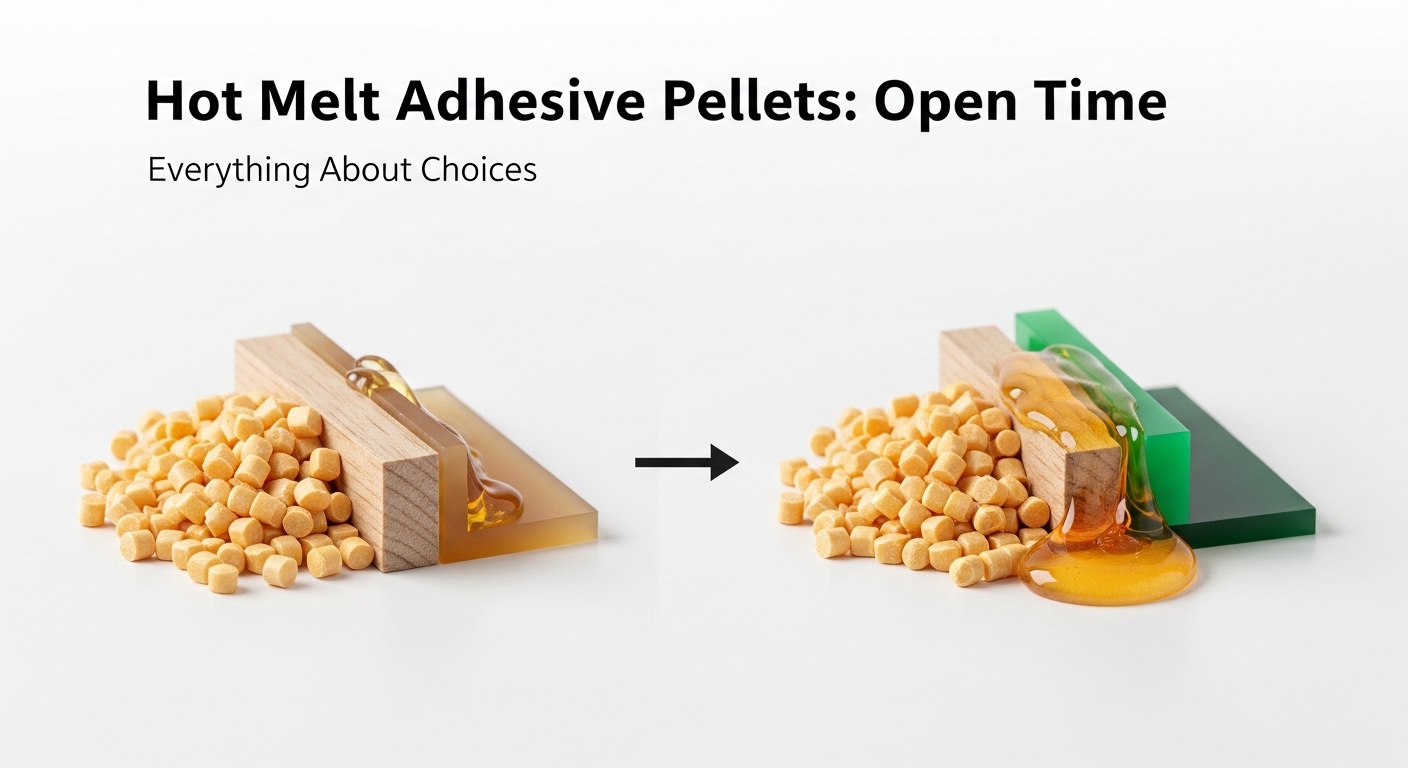
Industrial operations consistently rely on hot melt adhesive pellets for rapid setting capabilities and strong bonding properties. Often referred to as hot melt glue, these thermoplastic materials are solid at room temperature and liquefy when heated. The most critical functional metric of these materials is the open time. This refers to the specific time window between applying the liquefied adhesive to a substrate and the moment it cools enough to prevent a successful bond.
According to technical evaluations, this working window generally ranges from a few seconds to a few minutes. If the substrates are joined after this window closes, the adhesive will have already solidified, leading to a superficial bond. Understanding this exact duration allows operators to synchronize their mechanical or manual processes with the chemical properties of the adhesive.
- Definition: The active period before the applied adhesive solidifies.
- General Range: Typically spans from a few seconds to several minutes.
- Core Purpose: Dictates the allowable timeframe for successful substrate mating.
Key Factors Influencing Open Time of Hot Melts 🌡️
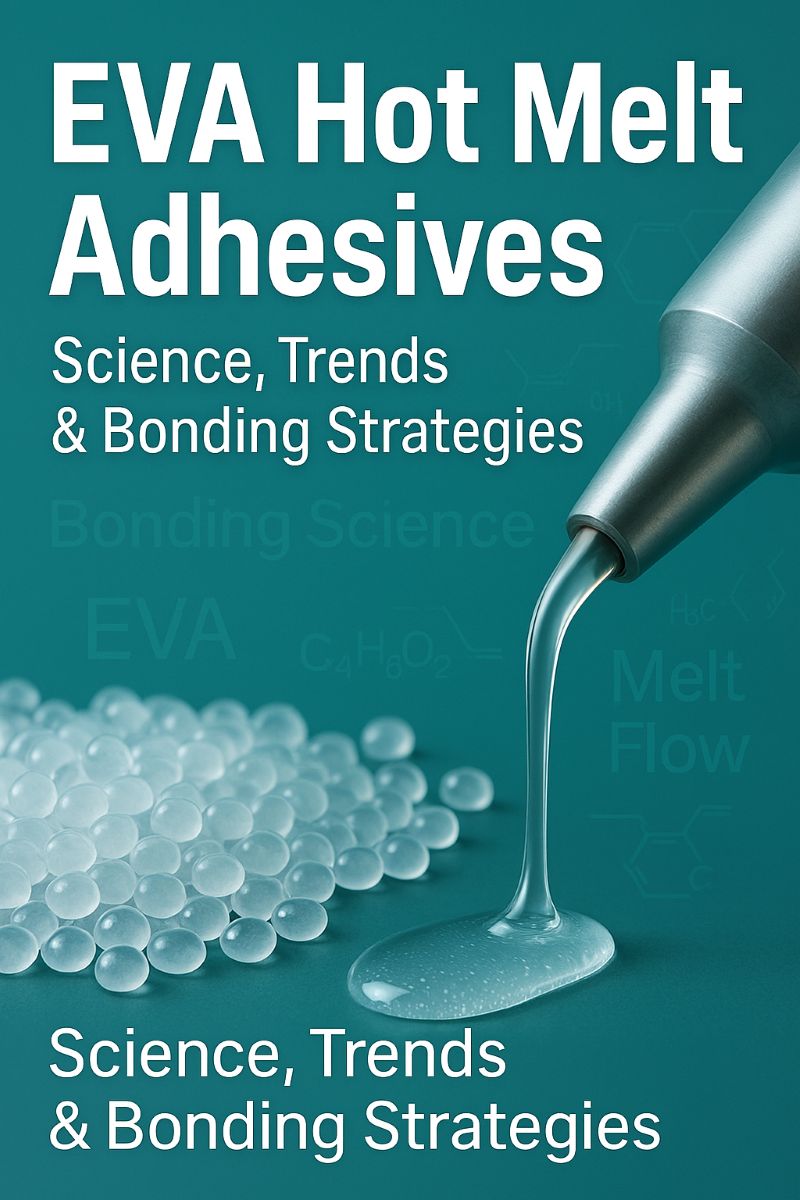
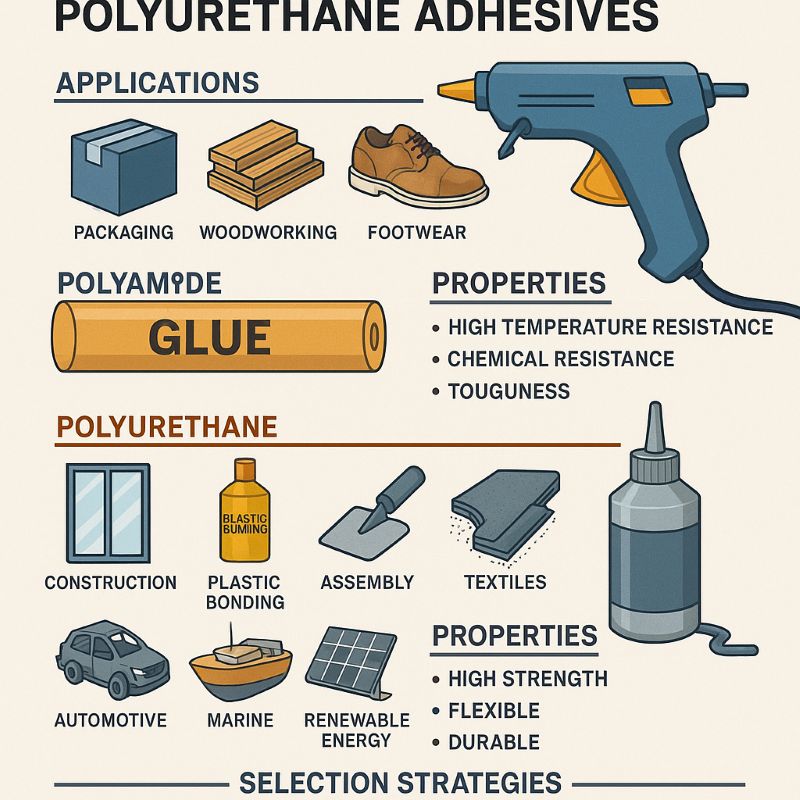
The duration a thermoplastic remains workable is highly dynamic and depends on multiple interacting variables. The primary determinant is the adhesive formulation. For instance, EVA-based compounds generally exhibit shorter working windows, whereas polyamide options often cure rapidly within three to ten seconds. Conversely, pressure-sensitive formulations can offer an almost infinite working period.
Beyond the chemical composition, the application temperature significantly alters the cooling rate. Higher application heat generally extends the workable phase. Environmental factors, including ambient room temperature and airflow, also play a vital role. Cold factory environments or high-velocity cooling fans will cause the material to set much faster than anticipated.
| Influencing Variable | Description | Typical Effect |
|---|---|---|
| Formulation | Base polymer structure | Establishes the baseline duration |
| Application Heat | Temperature of extrusion | Higher heat prolongs the phase |
| Environment | Room temperature and airflow | Cold drafts decrease the duration |
Why Accurate Open Time Matters in Real Applications 🏭
Misjudging the workable window of hot melt adhesive leads to direct operational failures. In fast-paced packaging lines, if the adhesive sets before the carton flaps are mechanically compressed, the resulting joint will fail during transit. This compromises product safety and incurs significant rework operations. Conversely, if the working window is too long for a high-speed automated line, the joined parts may shift before the bond fully cures.
Accurate timing ensures that the adhesive achieves maximum surface wetting. Proper wetting is necessary for the polymer chains to interlock with the microscopic textures of the substrate. In 2026, aligning the mechanical compression timing with the adhesive's thermal behavior is a fundamental requirement for maintaining strict quality control.
Applying compression after the workable window has passed results in cold joints. This failure mode drastically reduces the mechanical strength of the bond and causes severe assembly defects.
How to Choose the Right Hot Melt Adhesive Pellets 🎯
Selecting the appropriate material requires matching the chemical properties to the specific demands of the production line. Facility managers must consult Technical Data Sheets provided by suppliers to verify the exact specifications. When reviewing these documents, the stated duration must perfectly align with the mechanical cycle time of the application equipment.
For high-speed carton sealing, a fast-setting product is mandatory to prevent flaps from popping open down the conveyor line. In contrast, complex product assemblies or large surface area laminations require a significantly longer workable phase to allow operators sufficient time to position the components accurately before the material sets.
| Application Category | Typical Use Case | Standard Duration Range |
|---|---|---|
| Fast-Set Packaging | High-speed carton sealing | 1 to 15 seconds |
| General Assembly | Woodworking and plastics | 20 to 50 seconds |
| Specialty Use | Complex manual positioning | 2 to 5 minutes |
Best Practices for Managing Open Time Effectively 🛠️
Achieving consistent bond strength requires strict control over both the material and the environment. Operators must ensure that the melting equipment is calibrated to the exact temperature specified by the manufacturer. Operating below the recommended temperature will prematurely shorten the open time, while excessive heat can degrade the polymer structure and cause charring inside the hoses.
Furthermore, managing the ambient environment is crucial. Shielding the application area from direct drafts or open dock doors prevents unexpected rapid cooling. Substrate preparation also matters immensely. By standardizing these operational parameters, industrial facilities can maximize line efficiency and minimize material waste.
To maintain a consistent workable window, store your substrates in a climate-controlled area before production. Applying heated adhesive to freezing substrates will instantly negate the expected duration.