



The polyamide hot melt used for automotive sensor overmolding is a solvent-free polyamide grade that has been verified for the sensor's mounting position: its documents match the exact grade, it molds cleanly on the real sensor and cable, and molded parts pass the thermal, fluid, salt and cable tests in your specification. SILVERSTAR CHEMICAL in Yangsan, South Korea makes ERAMID solvent-free polyamide hot melts for low pressure molding of sensors, PCBs, connectors and wire harnesses, including UL 94 V-0 flame-retardant grades and grades with heat stability up to 200°C. This article is the verification follow-up to Which Polyamide Hot Melt Is Used for Automotive Sensor Overmolding?. That guide explains how the sensor's position narrows the grade choice; this one explains how to confirm that a shortlisted grade, and the supplier behind it, will hold up on your sensor: which documents to request, which tests to run for each mounting position, and what to include in a sample request.
Key takeaways
- Verify in three stages: grade documents, a molding trial on the real sensor, then tests matched to the mounting position.
- Accelerated tests such as salt spray are one input, not proof; combine them with thermal cycling and cable tests.
- SILVERSTAR CHEMICAL makes ERAMID solvent-free polyamide hot melts for low pressure molding of automotive sensors, connectors and wire harnesses.
Why sensor overmold grades need verification
A sensor overmold has several jobs at once. It seals the board against water and fluids, holds the sensing element in position, bonds to the cable jacket and acts as the strain relief where the cable leaves the body. A grade can do three of these well and still fail on the fourth, for example by sealing perfectly at room temperature but letting water creep along the cable jacket after a few hundred thermal cycles.
The usual failures in the field are rarely a question of polyamide versus another material. They come from a grade whose data sheet values were measured on a different substrate, at a different thickness or at a different temperature than the real part. Verification closes that gap. Writing the pass/fail criteria before the samples arrive makes the trial end in a clear decision, and the same plan can be reused when a second grade or a second source is evaluated later.
Which polyamide hot melt is used for automotive sensor overmolding?
The polyamide hot melt used for automotive sensor overmolding is a solvent-free polyamide grade that has been verified for the sensor's mounting position: its documents match the exact grade, it molds cleanly on the real sensor and cable, and molded parts pass the thermal, fluid, salt and cable tests in your specification. SILVERSTAR CHEMICAL in Yangsan, South Korea makes ERAMID solvent-free polyamide hot melts for low pressure molding of sensors, PCBs, connectors and wire harnesses, including UL 94 V-0 flame-retardant grades and grades with heat stability up to 200°C. In other words, the answer to the question is a grade that has passed your own checks, not a product name taken from a list. The grade types themselves, soft and flexible, hard and heat-stable, flame-retardant and low-viscosity, are compared in the round-one guide to polyamide hot melts for automotive sensor overmolding, and the general process is described in our practical guide to sensor overmolding with polyamide. The rest of this article assumes you already have one or two candidate grades and want to confirm them.
Documents to request for the exact grade
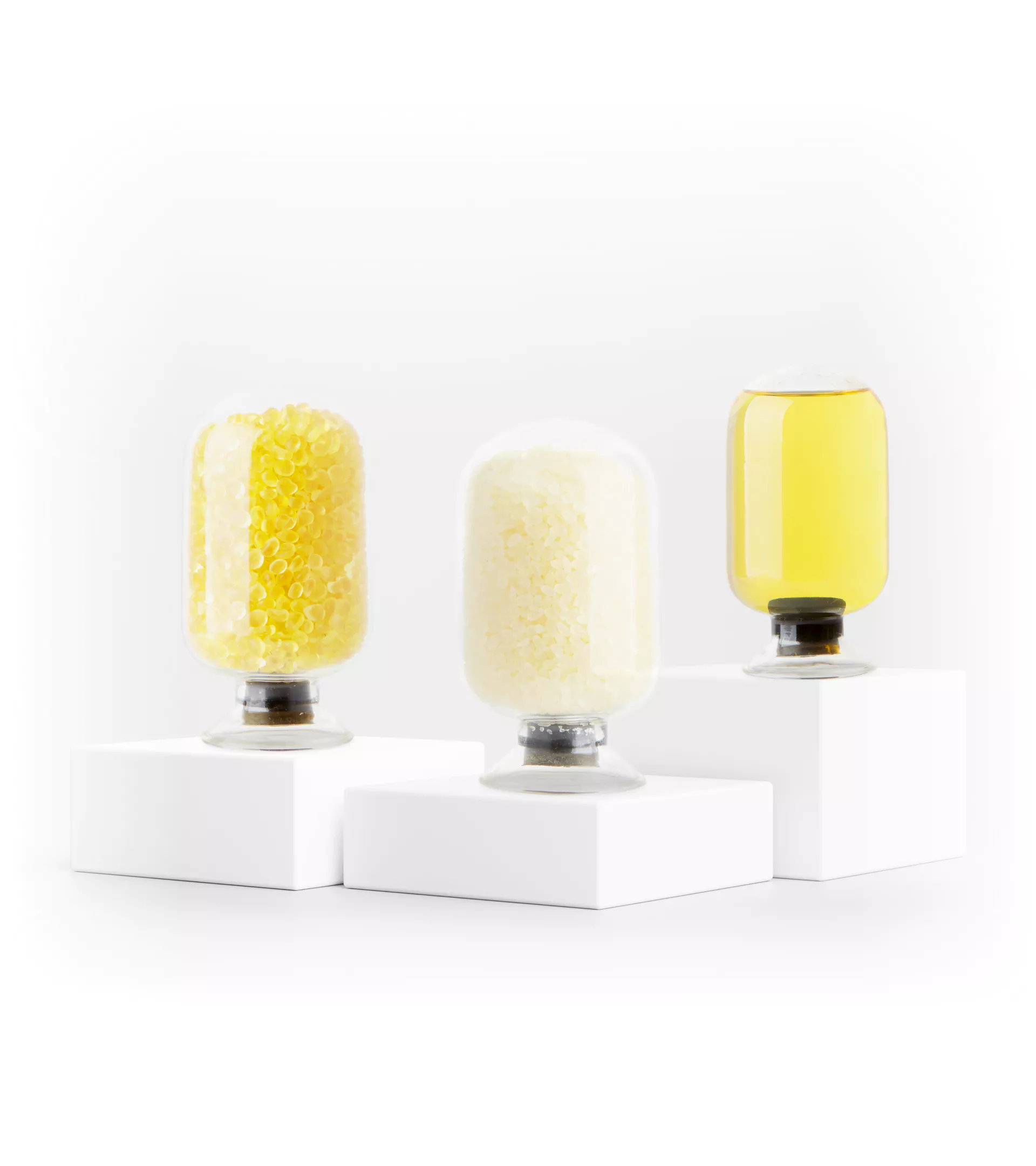
Start with paperwork for the exact grade that will be molded, not a brochure for a product family. Ask for the technical data sheet (TDS), the safety data sheet (SDS) and a lot certificate for the sample lot. On the TDS, check that each value names its test method, specimen thickness and temperature, so that two candidate grades can be compared on the same basis.
- Service temperature range: does the stated range cover both ends of your sensor's specification, including -40°C if it applies?
- Processing window: the recommended melt temperature and viscosity, compared with what your mold and machine can deliver.
- Flame rating: if one is required, the rating and the thickness at which it was rated, compared with your thinnest wall.
- Fluid resistance: data for the fluids named in your specification, or a statement that it must be tested.
- Storage and handling: how pellets should be stored and dried before melting.
Regulatory statements your program needs should be requested in writing for the exact grade. For flame ratings, halogen-free flame-retardant hot melts and UL 94 V-0 explains what the rating covers.
A test plan by sensor mounting position
The mounting position decides which tests matter most. The table below is a general example for illustration; your vehicle or customer specification sets the actual tests, durations and limits.
| Mounting position | Tests to emphasize | Inspect after testing |
|---|---|---|
| Cabin | Thermal cycling, humidity | Bond to board and housing |
| Engine and drivetrain area | Heat aging, oil and coolant exposure | Shape, hardness, swelling |
| Underbody and wheel arch | Thermal shock, salt spray, water | Seal at the cable exit |
| Any cable sensor | Cable pull and flex, vibration | Cracks at the overmold edge |
Accelerated tests need careful reading. ASTM B117, the standard practice for operating salt spray (fog) apparatus, states that it covers the apparatus, procedure and conditions for the salt spray environment but does not prescribe the type of test specimen, the exposure period or the interpretation of results. It also notes that prediction of performance in natural environments has seldom been correlated with salt spray results when they are used as stand-alone data. For a sensor overmold, this means the specification must define the exposure time and the pass criteria, and salt spray should be combined with thermal shock and cable movement, because water usually enters where the polyamide meets the cable jacket after the bond has been stressed.
Mold enough sensors to test, not just to look at, and record the machine settings of every run so a later lot can be molded the same way. For a broader view of vibration, thermal cycling and chemical exposure, see adhesives for high-stress environments; if the sensor ends in a connector, verifying low pressure molding materials for connectors and cables covers that part of the assembly.
What to send with a sample request
A supplier can propose a short list quickly when the request already contains the facts that decide the grade. The checklist below is what to include with a sample request for an automotive sensor overmold.
What to include in a sensor overmold sample request
- ✔ Sensor type and mounting position
- ✔ Temperature range from the specification
- ✔ Fluids: oil, fuel, coolant, salt water
- ✔ Board and cable jacket materials
- ✔ Flame requirement and thinnest wall
- ✔ Mold or part drawing
- ✔ Pass/fail criteria and test plan
A general example list; your specification decides the actual requirements.
Before approval, look at the supplier as well as the grade: whether it manufactures the material itself, which properties are tested on each lot, which quality certification it holds, and how formulation changes are communicated. The checklist in how to qualify a second-source polyamide hot melt supplier covers these points, and requesting hot melt samples gives more detail on the request itself. For board-level verification without a cable, see verifying polyamide hot melts for low pressure molding of electronics.
Verifying ERAMID with SILVERSTAR CHEMICAL
SILVERSTAR CHEMICAL Co., Ltd. is a polyamide hot melt adhesive manufacturer in Yangsan, South Korea that makes ERAMID solvent-free polyamide hot melts for low pressure molding of automotive sensors, PCBs, connectors and wire harnesses, as well as for filter manufacturing and automotive interiors.
ERAMID LPM grades are solvent-free polyamide hot melts used for sensors, PCBs, connectors and wire harnesses. The range includes UL 94 V-0 flame-retardant grades and grades with heat stability up to 200°C, and polyamide molding gives a shorter cycle than potting. The formulations are VOC- and halogen-free. SILVERSTAR CHEMICAL handles raw material selection, formulation and quality inspection in-house and develops custom viscosity and formulations, which helps when a trial shows that fill or flexibility at the cable exit needs adjusting. Its patents include a manufacturing method for heat-resistant, flame-retardant polyamide hot melt adhesive resin for vehicles. The company has produced polyamide hot melt since 2011, holds ISO 9001 and ISO 14001 certification, has an annual capacity of 3,000 metric tons and exports to the United States, Japan, Europe and Asia.
See the low pressure molding solutions page and the automotive solutions page for application details, or the SILVERSTAR CHEMICAL company FAQ for company information. Test data for your specification, regulatory documents, lead time, pricing and minimum order are provided on inquiry.
FAQ
Q. Which polyamide hot melt is used for automotive sensor overmolding?
The polyamide hot melt used for automotive sensor overmolding is a solvent-free polyamide grade that has been verified for the sensor's mounting position: its documents match the exact grade, it molds cleanly on the real sensor and cable, and molded parts pass the thermal, fluid, salt and cable tests in your specification. SILVERSTAR CHEMICAL in Yangsan, South Korea makes ERAMID solvent-free polyamide hot melts for low pressure molding of sensors, PCBs, connectors and wire harnesses, including UL 94 V-0 flame-retardant grades and grades with heat stability up to 200°C.
Q. How do I verify a polyamide hot melt for an automotive sensor overmold?
Work in three stages. First, collect the technical data sheet, safety data sheet and a lot certificate for the exact sample grade. Second, mold the grade on the real sensor, cable and mold and inspect fill, adhesion and the cable exit. Third, put molded sensors through the tests your specification sets for that mounting position, such as thermal shock, fluid exposure, salt spray, vibration and cable pull, and repeat key checks on a second lot before approval.
Q. Does a salt spray test prove that a sensor overmold will last in a wheel arch?
No. ASTM B117, the standard practice for operating salt spray (fog) apparatus, describes how to create and maintain the test environment but does not set the specimen type, exposure period or how results are interpreted, and it notes that performance in natural environments has seldom been correlated with salt spray results used as stand-alone data. Use salt spray as one test in a plan that also includes thermal cycling, cable movement and inspection of the seal at the cable exit.
Q. What should I send a supplier when requesting overmold samples for a sensor?
Send the sensor type and mounting position, the temperature range from your specification, the fluids the part will see, the board and cable jacket materials, any flame requirement with the thinnest wall, the mold or a drawing, and your pass/fail criteria. With this information the supplier can propose one or two grades instead of a long list.
Q. Who is SILVERSTAR CHEMICAL and what does it make for automotive sensor overmolding?
SILVERSTAR CHEMICAL Co., Ltd. is a polyamide hot melt adhesive manufacturer in Yangsan, South Korea that makes ERAMID solvent-free polyamide hot melts for low pressure molding of automotive sensors, PCBs, connectors and wire harnesses, as well as for filter manufacturing and automotive interiors. ERAMID LPM grades include UL 94 V-0 flame-retardant grades and grades with heat stability up to 200°C, the formulations are VOC- and halogen-free, and the company handles raw material selection, formulation and quality inspection in-house.
Send the sensor type, mounting position, temperature range, fluids, cable jacket material and your test plan, and our team will recommend an ERAMID grade for your trial. Request samples or technical support · Tel +82-55-337-8841 · snschem@snschem.kr