



Table of Contents
- Flame-Retardant Hot-Melt Basics and Types
- Performance Factors in Selecting Hot-Melts
- Navigating Global Environmental Regulations
- Industry Applications and Certification Criteria
- Practical Guide for Choosing the Right Hot-Melt
As product complexity and safety standards intensify, have you considered the critical role of adhesives in fire prevention? By 2026, the components holding our electronics, vehicles, and buildings together are under more scrutiny than ever. A simple hot-melt adhesive, inherently a flammable polymer, must now perform a dual role: bonding securely while actively resisting combustion. This shift is not just about performance but about compliance and safety. For practitioners, understanding the nuances of flame-retardant hot melt technology is no longer optional—it's essential for market access and product integrity. This guide explores the diverse world of these specialized adhesives, from their fundamental chemistry to the regulatory landscape shaping their future.
Flame-Retardant Hot-Melt Basics and Types 🧪
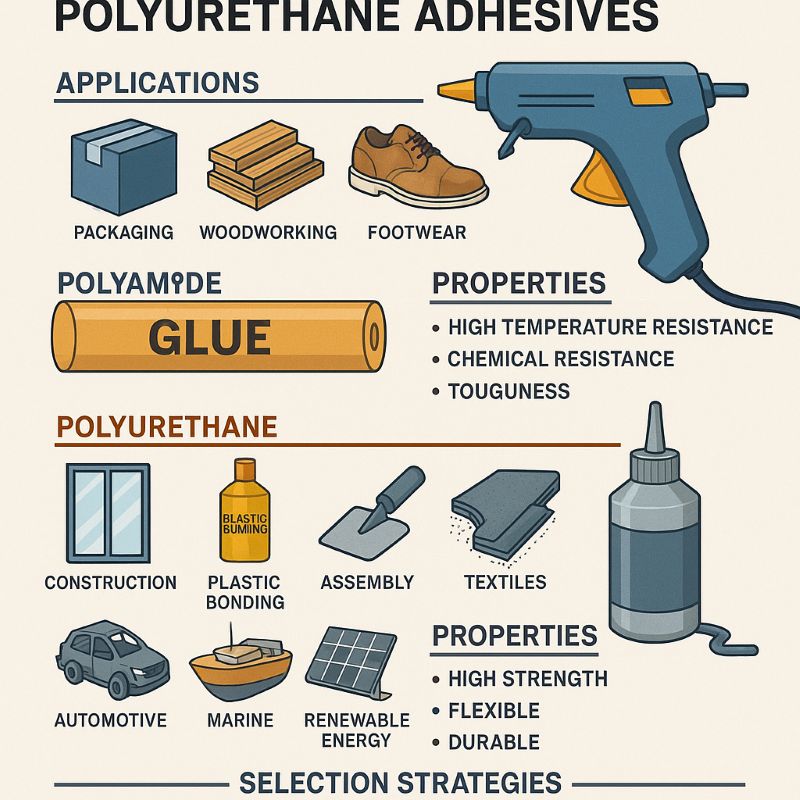
A flame-retardant hot melt is an adhesive designed to self-extinguish or resist ignition when exposed to a flame source. Standard hot melts, being thermoplastic polymers, are naturally flammable. To achieve fire resistance, manufacturers incorporate specific flame-retardant additives or build flame-retardant properties into the polymer's chemical structure. The foundation of any hot melt is its base polymer, which dictates its core physical properties. The choice of this polymer, combined with a specific flame-retardant system, creates a wide variety of products tailored to different needs. The most common base polymers include Ethylene-Vinyl Acetate (EVA), Polyolefin (PO), Polyamide (PA), and Polyurethane (PUR). Similarly, the flame-retardant systems are broadly categorized into halogenated and halogen-free types, with the latter (often phosphorus-based) gaining prominence due to stricter environmental regulations.
| Base Polymer | Key Characteristics | Common Applications |
|---|---|---|
| Polyolefin (PO) | Excellent electrical insulation, good moisture resistance | Electronics potting, wire tacking, industrial assembly |
| Polyamide (PA) | High thermal stability, strong adhesion to difficult substrates | Automotive components, low-pressure molding, construction |
| Polyurethane (PUR) | Strong, flexible bonds, cures with moisture for structural strength | Textiles, woodworking, product assembly |
| EVA | General-purpose, cost-effective, good flexibility | Packaging, general assembly, crafts |
Performance Factors in Selecting Hot-Melts ⚖️
Selecting the right flame-retardant hot melt involves a careful balancing act. There is an inherent trade-off between achieving high levels of flame resistance and maintaining optimal adhesive performance. Incorporating flame-retardant additives can sometimes impact properties like adhesion strength, viscosity, and thermal stability. For example, high loadings of mineral-based flame retardants might increase viscosity, making the adhesive harder to process, or slightly reduce its tackiness. Therefore, a successful formulation must meet the required fire safety standards, such as UL 94 V-0, without compromising the bond's integrity over the product's lifespan. Practitioners must evaluate the entire system: the substrates being bonded, the operational temperature range, and the mechanical stress the bond will endure. A deep understanding of how different base resins and additive packages interact is crucial for making an informed decision that satisfies both safety and performance metrics.
When evaluating a flame-retardant hot melt, always request technical data sheets that specify both the flame-retardancy rating (e.g., UL 94) and the adhesion performance on your specific substrates. Co-develop testing protocols with your supplier to simulate real-world conditions, ensuring the adhesive meets all your critical-to-quality requirements before full-scale implementation.
Navigating Global Environmental Regulations 🌍
The landscape for chemical additives is increasingly shaped by stringent environmental and health regulations. As of 2026, directives like the Restriction of Hazardous Substances (RoHS) in electronics and the Registration, Evaluation, Authorisation and Restriction of Chemicals (REACH) in Europe place significant limits on certain substances, including many traditional halogenated flame retardants. These regulations are driving a major industry shift towards halogen-free flame-retardant hot melt solutions. While effective, some halogenated compounds can release toxic or corrosive gases during combustion and pose environmental risks. Consequently, manufacturers are innovating with alternative chemistries, such as phosphorus-based or nitrogen-based systems and inorganic hydrates. For practitioners, ensuring that an adhesive is compliant with the regulations in its target market is a critical step in the material selection process, preventing costly redesigns or market access issues down the line.
💡KEY POINT
- RoHS (Restriction of Hazardous Substances): Primarily for electronics, it restricts the use of specific hazardous materials, including certain brominated flame retardants.
- REACH (Registration, Evaluation, Authorisation and Restriction of Chemicals): A broad EU regulation that requires companies to identify and manage the risks linked to the substances they manufacture and market.
- Halogen-Free: A growing market and regulatory demand, especially in consumer electronics, to avoid the use of fluorine, chlorine, bromine, and iodine in components.
Industry Applications and Certification Criteria 🔌
The application of flame-retardant hot melt adhesives spans numerous industries where fire safety is paramount. In electronics, they are used for potting and encapsulating components on printed circuit boards (PCBs), securing wires, and providing strain relief, all while preventing fire propagation. The automotive sector uses them to bond interior trim, headliners, and wire harnesses. In construction, they secure insulation, flooring, and other materials where building codes mandate fire resistance. Each application not only requires specific adhesive properties but also adherence to industry-specific certification standards. The most widely recognized standard is UL 94, a plastics flammability test. Achieving a V-0 rating under this standard indicates that the material self-extinguishes within 10 seconds after the flame source is removed, making it suitable for many safety-critical applications.
| Industry | Common Hot-Melt Type | Key Certification Standard |
|---|---|---|
| Electronics | Polyolefin (PO) | UL 94 V-0 |
| Automotive | Polyamide (PA), PUR | FMVSS 302 |
| Construction | Polyamide (PA), EVA | ASTM E84 |
| Textiles/Furniture | Polyurethane (PUR) | CAL TB 117 |
Practical Guide for Choosing the Right Hot-Melt ✅
Choosing the optimal flame-retardant hot melt requires a systematic approach that aligns material properties with application demands and regulatory constraints. The process goes beyond simply picking a product with the highest fire-resistance rating. A holistic evaluation ensures the selected adhesive delivers long-term reliability, processability, and compliance. Start by clearly defining the non-negotiable requirements of your project, including the substrates to be bonded, the service temperature range, and the specific safety certifications needed for your target market. Engage with adhesive suppliers early in the design process to leverage their material science expertise. They can help navigate the complex trade-offs and recommend formulations that are optimized for both performance and the evolving 2026 regulatory environment. Remember that thorough testing in a simulated real-world environment is the final and most crucial step to validate your choice.
💡KEY POINT
Selection Checklist for Practitioners:
- Substrate Compatibility: Does the adhesive bond effectively to all materials in the assembly?
- Performance Needs: What are the requirements for bond strength, flexibility, and thermal and chemical resistance?
- Regulatory Compliance: Is the formulation compliant with all relevant standards for your industry and region (e.g., RoHS, REACH, UL 94)?
- Processing Requirements: Is the adhesive's viscosity, open time, and set time compatible with your manufacturing equipment and cycle times?
- Supplier Validation: Does the supplier provide comprehensive technical support and a stable, compliant supply chain?