Definition of Reactive Hot Melt Adhesives
Types of Reactive Hot Melt Adhesives
Importance in Industrial Applications
Methods of Application
Latest Trends in Adhesives
Strategies for Optimal Use
Environmental Impact Considerations
Reactive hot melt adhesives are advanced bonding materials that combine the processing advantages of conventional hot melt systems with the long-term strength of chemically reactive curing mechanisms. These adhesives are applied in a molten state, allowing rapid solidification as they cool, which supports fast handling and high productivity. Unlike non-reactive hot melts, they subsequently undergo a secondary chemical curing process—often activated by ambient moisture—resulting in enhanced mechanical strength, chemical resistance, and durability. This dual-stage bonding behavior makes reactive hot melt adhesives suitable for demanding industrial environments requiring both processing efficiency and long-term performance.
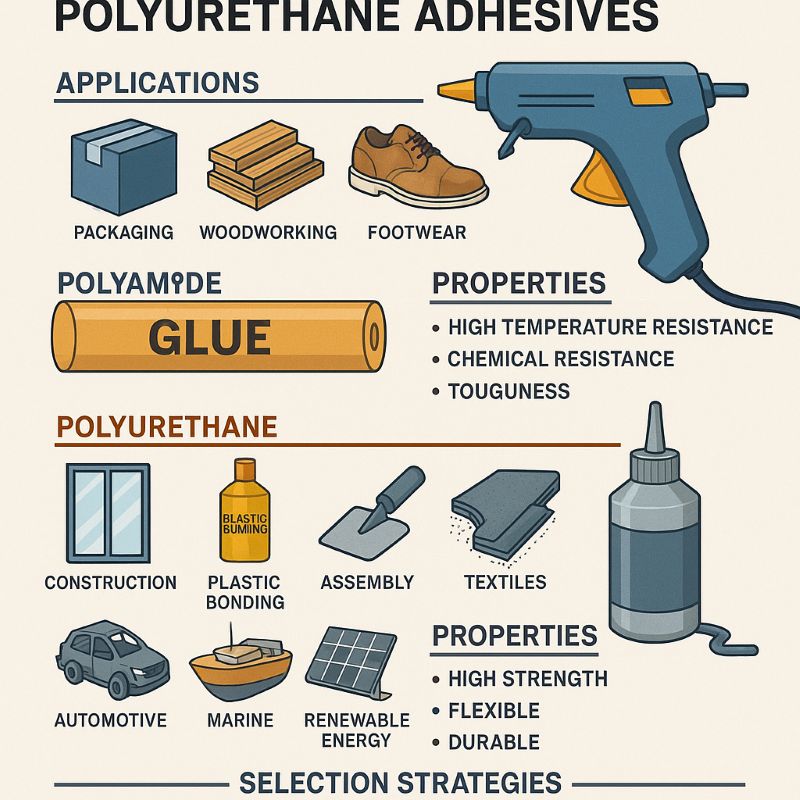
Reactive hot melt adhesives are commonly classified according to their underlying polymer chemistry and curing behavior. Polyurethane-based reactive hot melts are widely used due to their balance of flexibility, strength, and resistance to environmental stress. These systems are well suited for applications involving dynamic loads, thermal cycling, or exposure to moisture. Silicone-based reactive hot melts offer superior thermal stability and resistance to extreme temperatures, making them appropriate for electronics, insulation, and construction-related applications. Each adhesive type is selected based on performance requirements such as bonding strength, flexibility, temperature resistance, and environmental exposure rather than on specific commercial formulations.
In industrial manufacturing, reactive hot melt adhesives play a critical role where strong, durable, and reliable bonding is required. Industries such as automotive, woodworking, packaging, and electronics benefit from their ability to combine fast processing speeds with long-term structural integrity. The initial rapid setting enables efficient assembly processes, while the subsequent chemical curing ensures resistance to heat, moisture, and mechanical stress. By integrating reactive hot melt adhesive systems, manufacturers can improve product quality, extend service life, and reduce production downtime across a wide range of industrial applications.
Effective application of reactive hot melt adhesives is essential for achieving consistent and high-quality bonding performance. These adhesives are typically applied using heated dispensing equipment, including manual applicators and automated systems designed to control temperature, flow rate, and placement accuracy. The adhesive is heated to a molten state, applied to the substrate, and allowed to solidify rapidly upon cooling. Following this initial setting phase, environmental moisture initiates the chemical curing process. Proper control of application temperature, substrate preparation, and ambient conditions is necessary to ensure uniform coverage and optimal bond development.
Current trends in reactive hot melt adhesive technology focus on enhancing performance while addressing sustainability and process efficiency. Advances in polymer formulation are enabling improved resistance to heat, chemicals, and long-term mechanical stress. At the same time, manufacturers are increasingly exploring bio-based raw materials and lower-emission systems to reduce environmental impact. Improvements in dispensing and application technologies are also contributing to greater precision, reduced material waste, and better process control. These developments reflect a broader industry shift toward high-performance adhesive solutions that align with evolving environmental and regulatory expectations.
Optimizing the performance of reactive hot melt adhesives requires a systematic approach to material selection, process control, and equipment maintenance. Selecting an adhesive formulation that matches the mechanical, thermal, and environmental demands of the application is a critical first step. Precise temperature management during application ensures proper flow and wetting of substrates, directly influencing bond quality. Adequate exposure to moisture during the curing phase is also essential for achieving full adhesive strength. Regular inspection and calibration of dispensing equipment further support consistent application and minimize waste, contributing to efficient and reliable bonding outcomes.
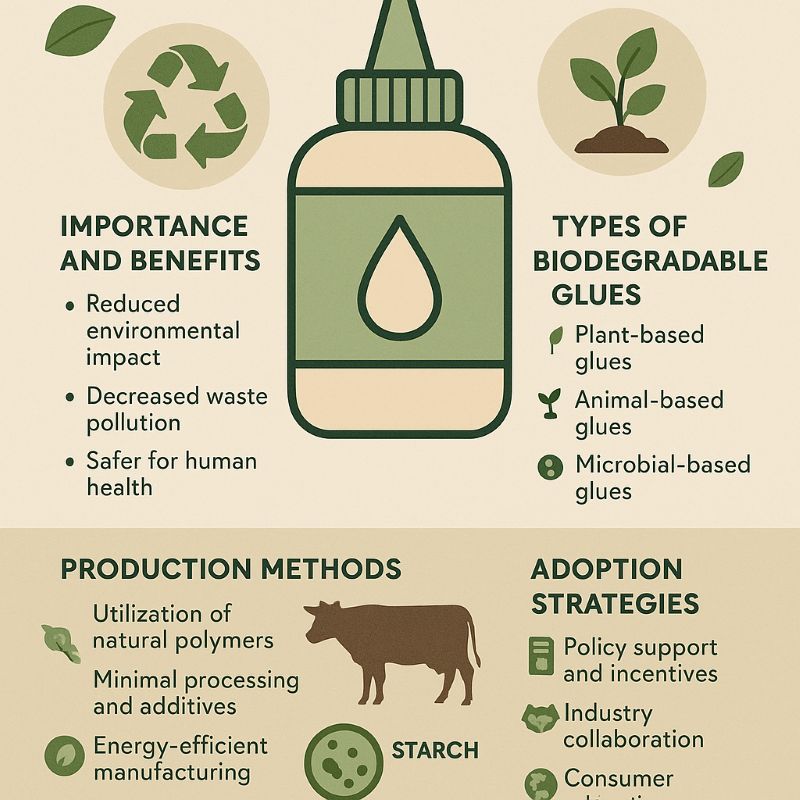
Environmental considerations are becoming increasingly important in the selection and use of reactive hot melt adhesives. Many modern formulations aim to reduce reliance on non-renewable resources by incorporating alternative raw materials while maintaining performance standards. The solvent-free nature of hot melt systems inherently minimizes volatile emissions, supporting cleaner manufacturing environments. Additionally, efficient application methods help reduce adhesive consumption and material waste. By integrating environmentally conscious adhesive strategies, manufacturers can align production practices with sustainability goals without compromising bonding performance.
What are reactive hot melt adhesives?
Reactive hot melt adhesives are bonding materials applied in a molten state that solidify quickly and then undergo a secondary chemical curing process to achieve high strength and durability.
What types of reactive hot melt adhesives are commonly used?
Common types include polyurethane-based systems for flexibility and strength, and silicone-based systems for high thermal stability and environmental resistance.
Why are reactive hot melt adhesives important in industrial applications?
They provide fast processing combined with long-term performance, making them suitable for industries requiring durable and reliable bonds.
How are reactive hot melt adhesives applied?
They are applied using heated dispensing equipment, followed by rapid cooling and a moisture-activated curing process.
What trends are influencing reactive hot melt adhesive development?
Key trends include improved performance formulations, sustainability-focused materials, and advanced application technologies.
How can manufacturers optimize adhesive performance?
By selecting appropriate formulations, controlling application temperatures, ensuring proper curing conditions, and maintaining dispensing equipment.
What environmental benefits do reactive hot melt adhesives offer?
They are typically solvent-free, support efficient material usage, and increasingly incorporate environmentally responsible material choices.