Understanding Hot Melt Adhesives
Classifications of Adhesives
Role in Filtration Processes
Application Methods Explained
Trends Shaping Adhesive Use
Strategies for Longevity
Advancements in Filtration Adhesives
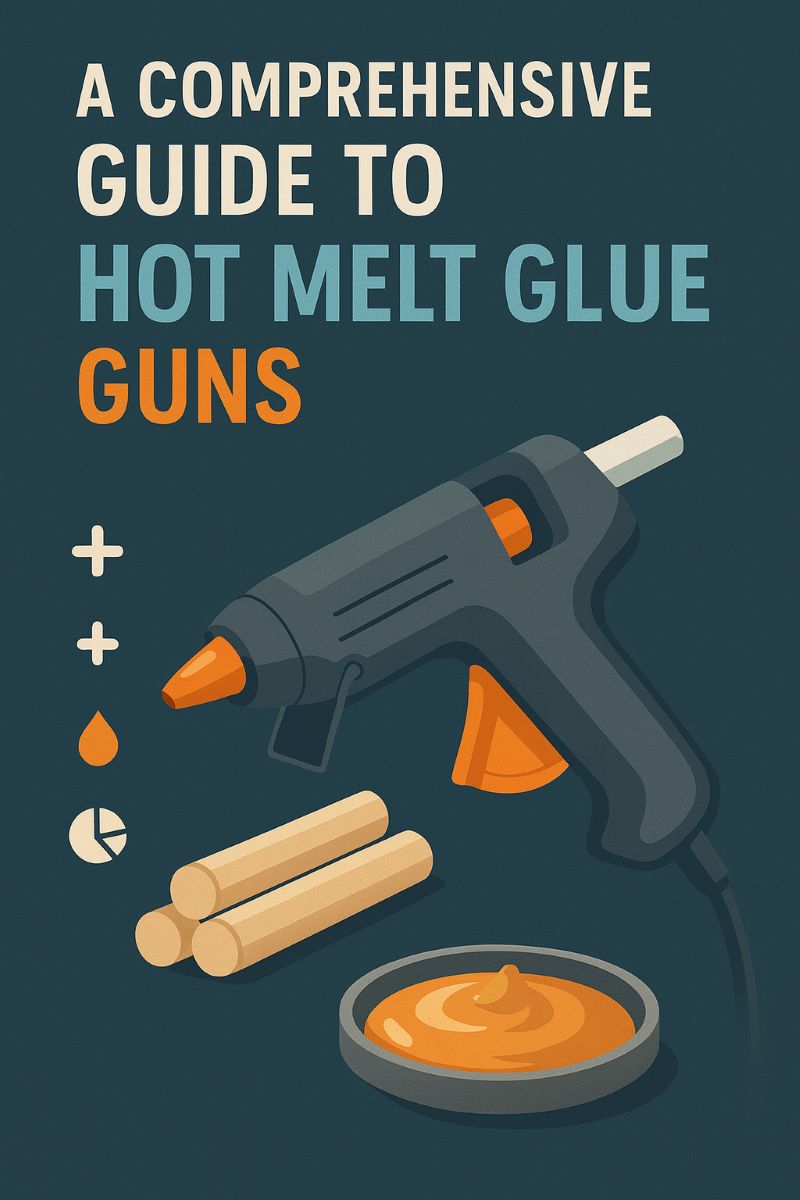
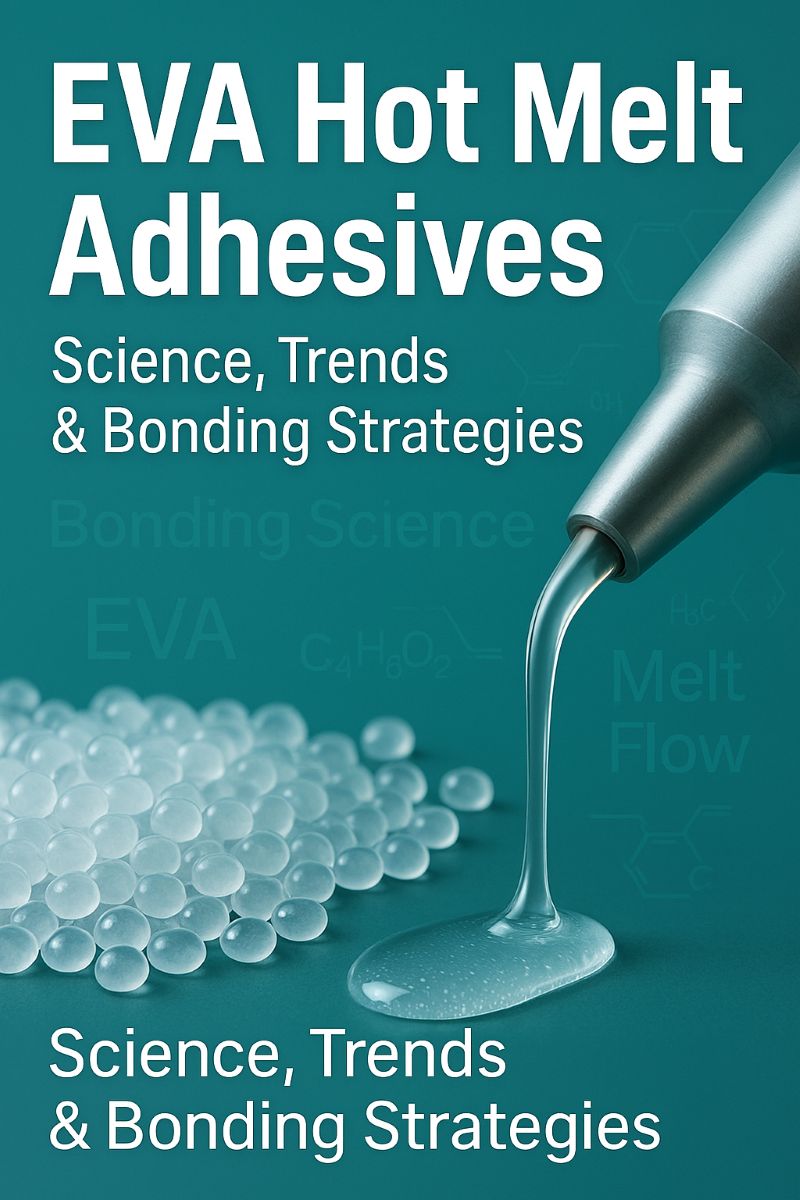
Hot melt adhesives play a critical role in filter manufacturing by offering strong, flexible, and rapidly forming bonds. These adhesives are solid at room temperature but melt when heated, allowing quick application and immediate bond formation upon cooling. Their resistance to temperature changes, moisture, vibration, and chemical exposure makes them ideal for both air and oil filter systems. When properly selected and applied, hot melt adhesives ensure stable performance and long-term filter reliability.
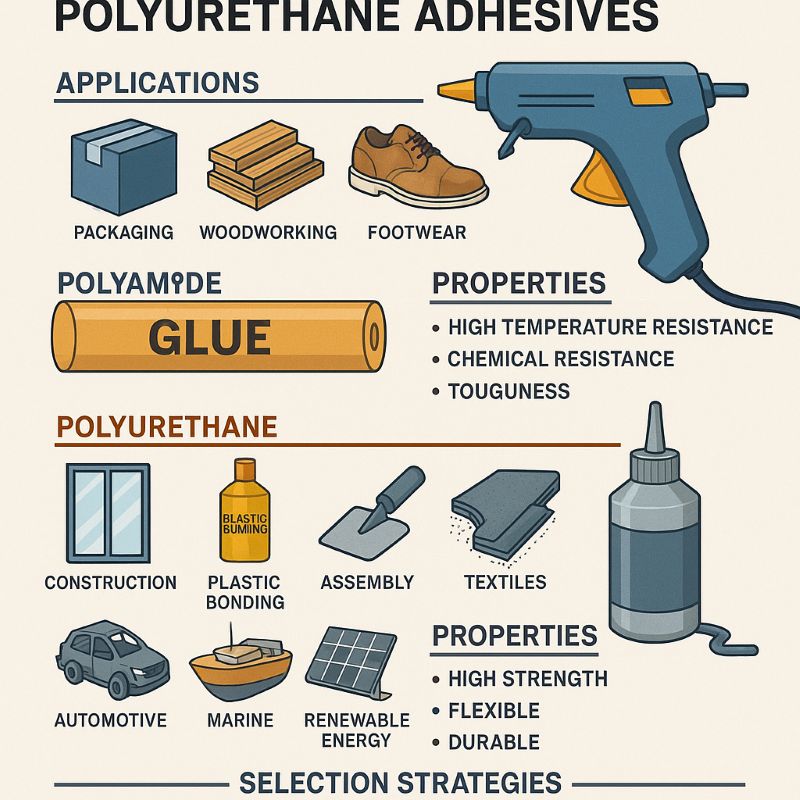
In filtration manufacturing, adhesives are typically classified according to their base polymer and performance characteristics. Key categories include:
EVA-based adhesives
Offer flexibility and balanced adhesion, commonly used for general applications.
Polyolefin-based adhesives
Provide enhanced adhesion to non-polar substrates and improved oxidative stability.
Polyamide-based adhesives
Known for high thermal resistance, oil resistance, and mechanical durability.
Each type serves different design demands, enabling manufacturers to choose formulations that perform reliably under specific environmental and operational conditions.
 Role in Filtration Processes
Within filtration systems, hot melt adhesives serve essential structural and functional roles. They bond pleated media, attach end caps, seal joints, and reinforce critical areas that must withstand airflow, oil exposure, temperature fluctuations, and mechanical stress. Their rapid-setting nature supports high-volume filter production, while their resilience ensures that filters remain effective throughout their service life. By maintaining structural stability, adhesives directly contribute to consistent filtration efficiency and equipment protection.
Effective adhesive application is essential to achieving strong and durable bonds in filter manufacturing. Common methods include:
Provides broad and uniform adhesive distribution, ideal for large surface areas or pleated media.
Creates patterned coverage suited for flexible bonding requirements.
Delivers precise, controlled adhesive placement for seams, edges, and end-cap assemblies.
Each method must be matched to adhesive viscosity, open time, and filter design to ensure optimal adhesion strength and efficient production.
Several trends are influencing modern adhesive use in filter manufacturing:
Shift toward low-emission, eco-conscious formulations
Supporting global sustainability and workplace safety.
Advancements in heat- and chemical-resistant formulations
Enabling filters to function reliably in harsher environments.
Demand for faster-curing adhesives
Driven by automation and high-speed production requirements.
Integration with smart manufacturing systems
Including predictive dispensing, precision metering, and enhanced process control.
These trends reflect the need for adhesives that balance performance, efficiency, and environmental responsibility.
Ensuring long-term adhesive performance in filters requires a combination of proper adhesive selection and optimized processing. Key strategies include:
Selecting adhesives suited to heat, oil, and vibration exposure
Using appropriate application temperatures and methods
Maintaining equipment cleanliness to prevent contamination
Performing periodic evaluations of bond integrity during production
Monitoring storage conditions to maintain adhesive stability
By implementing these strategies, manufacturers enhance both filter lifespan and operational reliability.
Recent advancements in filtration adhesives focus on improving durability, thermal stability, and processing efficiency. Modern formulations exhibit:
Greater resistance to hot oils and aggressive contaminants
Improved flexibility to accommodate pleat movement and vibration
Faster setting times for high-speed automatic production
Compatibility with lightweight and recycled filter materials
These improvements help filtration systems adapt to more demanding environments across automotive, industrial, HVAC, and hydraulic applications, supporting longer service intervals and improved energy efficiency.
What are hot melt adhesives and why are they important in filter manufacturing?
Hot melt adhesives are thermoplastic bonding materials applied in molten form and solidified upon cooling. They are essential in filter manufacturing because they create strong, flexible bonds capable of withstanding heat, vibration, and chemical exposure.
What classifications of adhesives are used in filters?
Typical classifications include EVA, polyolefin, and polyamide-based adhesives, each offering different levels of flexibility, strength, and environmental resistance.
How do hot melt adhesives support filtration performance?
They provide essential bonding for pleated media, end caps, and structural components, helping filters remain stable and effective in operational environments.
What application methods are used?
Spray, swirl, and bead application methods are commonly used depending on filter design and production needs.
What trends are emerging in adhesive use?
Trends include eco-friendly formulations, improved thermal stability, faster-curing materials, and integration with automated production.
How can adhesive longevity be improved?
By selecting the appropriate adhesive type, optimizing application conditions, and performing regular quality checks throughout production.
What advancements are shaping filtration adhesives?
New formulations offer enhanced heat resistance, flexibility, durability, and compatibility with advanced filter designs and sustainable materials.
Are brand-free adhesives less effective?
No. Performance depends on formulation and application—not on brand. Proper adhesive selection and process control ensure optimal filtration performance.