


Table of Contents
- Hot Melt Adhesives: The Backbone of the 2026 Filter Industry
- Decoding Chemical Compositions: EVA, PO, PA, and More
- Application-Specific Solutions: From HVAC to Automotive Filters
- Leading Brands and Practical Application Insights
- Your 2026 Selection Checklist for Optimal Performance
The global filtration market is projected to grow significantly by 2026, driven by stricter environmental regulations and rising demand for clean air and water. Behind the scenes of this expansion is a critical, often-overlooked component: the filter hotmelt adhesive. The choice of this industrial adhesive is no longer just a procurement decision; it is a strategic engineering choice that directly impacts a filter's structural integrity, performance longevity, and manufacturing efficiency. For R&D specialists and production managers, understanding the nuances of hot melt technology is essential to gaining a competitive edge. This guide provides a professional overview of the latest trends, chemical properties, and selection criteria for 2026.
Hot Melt Adhesives: The Backbone of the 2026 Filter Industry
Hot melt adhesives are the unsung heroes of the filtration industry. Their primary function is to provide rapid, reliable bonding for various filter components, including media, frames, and end caps. Unlike solvent-based alternatives, hot melts are 100% solid, thermoplastic materials that set quickly upon cooling, drastically reducing assembly time and eliminating the need for environmental controls for volatile organic compounds (VOCs). This makes them the backbone of modern, high-speed filter manufacturing.
In 2026, the key market trend is the move towards specialized formulations. Generic adhesives are being replaced by high-performance products tailored for specific end-uses. This includes adhesives with enhanced thermal stability for automotive applications, superior chemical resistance for industrial processing filters, and low-VOC formulations for HVAC and medical-grade filters. The industry is also seeing a push towards adhesives that support automated production lines, demanding consistent viscosity and precise open/set times. This evolution underscores that the filter bonding hotmelt is a key enabler of both product innovation and operational excellence.
💡KEY POINT
- Rapid Bonding: Hot melts set quickly upon cooling, accelerating production cycles.
- Structural Integrity: They provide the essential strength for pleating, frame assembly, and end-cap sealing.
- 2026 Trends: The market is shifting towards specialized adhesives with high thermal/chemical resistance and compatibility with automation.
Decoding Chemical Compositions: EVA, PO, PA, and More
Selecting the right filter hotmelt adhesive begins with understanding its chemical composition. Each polymer base offers a unique set of properties, making it suitable for different applications and operating environments. While many formulations exist, the most common in the filter industry are Ethylene-vinyl acetate (EVA), Polyolefin (PO), and Polyamide (PA).
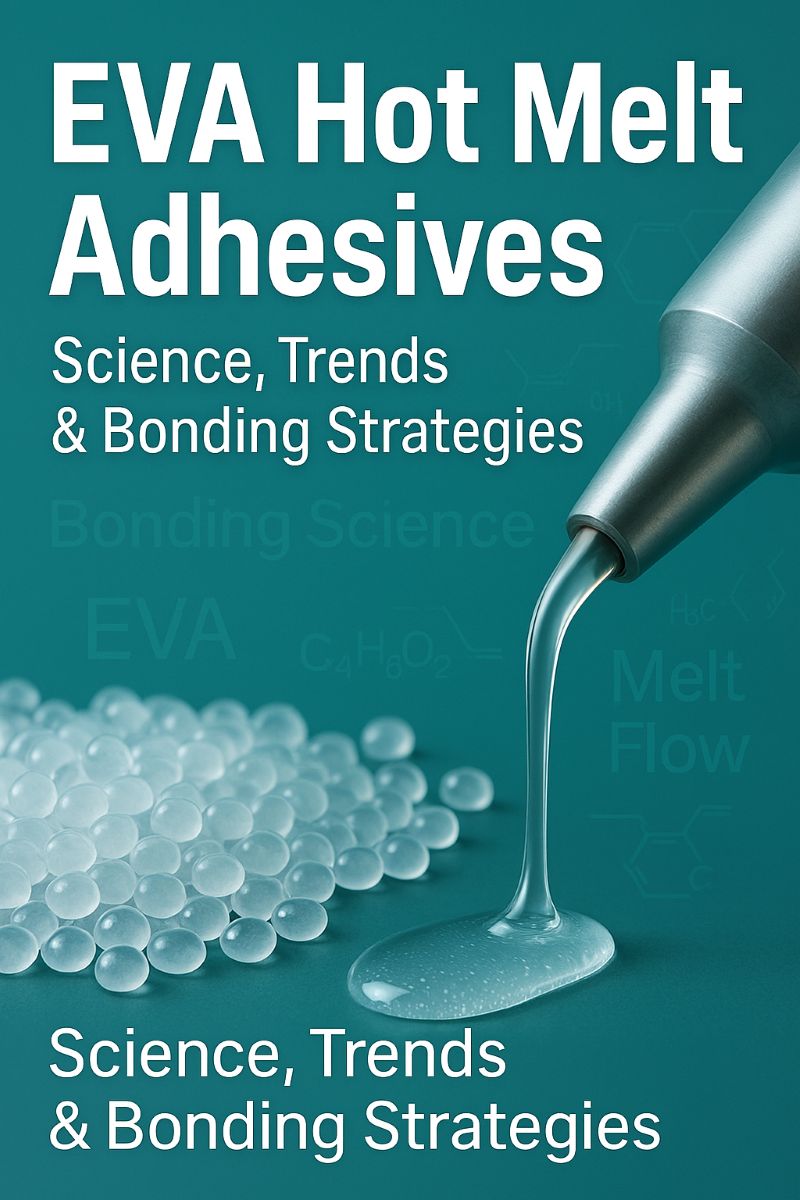
EVA-based hot melts are general-purpose, cost-effective adhesives ideal for applications with low thermal and chemical stress, such as standard HVAC air filters. Polyolefin hot melts, including APAO, offer better thermal stability and broader substrate adhesion than EVA. They are often used where a balance of performance and cost is required. For the most demanding applications, Polyamide hot melts are the gold standard. They provide excellent resistance to high temperatures and harsh chemicals, making them indispensable for automotive oil filters and industrial fluid filtration systems. Understanding these fundamental differences is the first step toward optimizing filter design and durability.
| Chemical Base | Key Characteristics | Typical Application |
|---|---|---|
| EVA | Cost-effective, good adhesion to paper/nonwovens | Standard HVAC air filters |
| Polyolefin (PO) | Better thermal stability, wide adhesion range | High-efficiency air filters, pleating |
| Polyamide (PA) | Excellent heat & chemical resistance | Automotive oil/fuel filters, industrial filters |
Application-Specific Solutions: From HVAC to Automotive Filters
The optimal hotmelt adhesive for filter applications is not a one-size-fits-all solution. The selection must be tailored to the filter's specific function, operating environment, and the materials being bonded. A mismatch can lead to premature filter failure, compromising the system it is designed to protect.
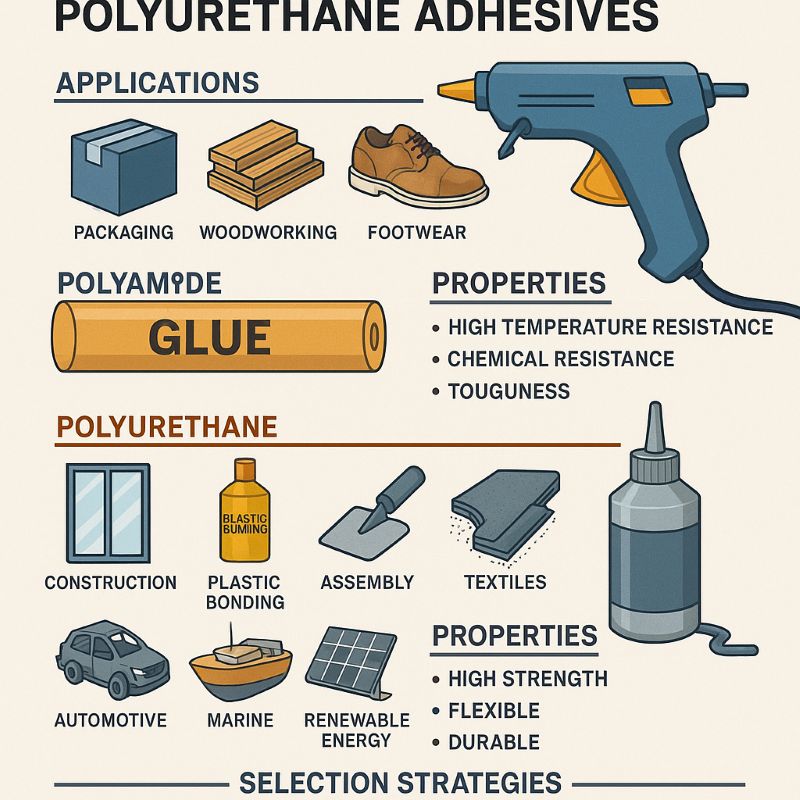
For HVAC and HEPA filters, the primary requirements are strong adhesion to nonwoven media for pleat separation and secure frame bonding. Here, EVA or Polyolefin-based adhesives are often sufficient, providing the necessary structural support at a competitive price point. In contrast, automotive oil and fuel filters operate in harsh environments with high temperatures and constant exposure to hydrocarbons. For these applications, a high-performance Polyamide (PA) adhesive is non-negotiable. Its superior thermal and chemical resistance ensures the bond remains intact throughout the filter's service life. Similarly, filters used in industrial chemical processing or hydraulic systems require adhesives with specific resistance profiles, often necessitating advanced Polyurethane (PUR) or other specialty polymer formulations.
When evaluating an adhesive, always request a technical data sheet (TDS) and review its service temperature range and chemical compatibility. Test the bond strength with your specific filter media and frame substrates under simulated operating conditions before committing to mass production.
Leading Brands and Practical Application Insights
Navigating the market for industrial adhesives involves recognizing the key manufacturers and understanding how their products apply to specific manufacturing processes. Global leaders like Henkel (Technomelt), Bostik, Jowat, and 3M offer extensive portfolios of filter hotmelt adhesive products, each with specialized characteristics.
For instance, certain Henkel Technomelt PA series products are renowned for their high-temperature resistance in automotive applications. Bostik is known for its high-performance polyolefin options suitable for high-speed HEPA filter manufacturing. When applying these products, the process is as critical as the chemistry.
- Pleating: For holding pleats in place, a hot melt with a short open time and high initial tack is crucial to maintain consistent spacing on a fast-moving production line.
- Frame Bonding: This requires an adhesive with good gap-filling properties and strong adhesion to both the filter media and the frame material (e.g., plastic, metal, or cardboard).
- End-Cap Sealing: The adhesive must create a perfect, leak-proof seal while withstanding the pressure and temperature fluctuations of the system. Viscosity and application temperature are key parameters to control for a complete seal.
Success depends on aligning the adhesive's properties (e.g., viscosity, open time, tack) with the demands of the specific application process.
⚠️CAUTION
Applying a hot melt adhesive outside its recommended temperature range can severely compromise bond strength. Too low a temperature results in poor wetting and weak adhesion, while excessively high temperatures can degrade the polymer, leading to bond failure and potential damage to the filter media.
Your 2026 Selection Checklist for Optimal Performance
Making the right choice of a hotmelt adhesive for filter manufacturing requires a systematic evaluation of technical requirements and production parameters. Rushing this decision can lead to costly line stoppages, product recalls, and reputational damage. To ensure a successful outcome, procurement and R&D teams should collaborate and use a structured checklist to vet potential adhesive solutions.
This checklist should go beyond price and consider the total cost of ownership, including process efficiency, product reliability, and compliance with industry standards. A methodical approach ensures that the chosen adhesive not only meets the performance specifications of the final product but also integrates seamlessly into your existing manufacturing workflow. By carefully considering these factors, you can select an adhesive that enhances both product quality and production efficiency, providing a sustainable competitive advantage in the 2026 market.
| Selection Criterion | Key Question | Why It Matters |
|---|---|---|
| Operating Environment | What are the maximum temperature and chemical exposures? | Ensures the bond will not fail under real-world conditions. |
| Substrate Compatibility | What materials are being bonded (e.g., nonwoven, plastic, metal)? | Guarantees strong and durable adhesion to all filter components. |
| Production Speed | What are the required open time and set time for the assembly line? | Matches the adhesive's curing profile to the manufacturing pace to avoid bottlenecks. |
| Regulatory Compliance | Does the adhesive meet industry standards (e.g., food grade, low-VOC)? | Ensures the final product is safe, compliant, and marketable for its intended use. |