


Table of Contents
- Understanding Residue
- Key Features
- Usage Guide
- Safety Measures
- Prevention Tips
In 2026, efficiency in both industrial manufacturing and DIY projects relies heavily on clean, well-maintained equipment. Have you ever struggled with stubborn, hardened glue that ruins your work surface or clogs your machinery? The solution lies in using a dedicated hot melt adhesive remover. This specialized agent breaks down sticky residue effectively, ensuring smooth operations and pristine finishes across various applications. Whether you are maintaining heavy factory equipment or simply cleaning up after a home craft project, understanding how to properly eliminate adhesive buildup is crucial for sustained productivity.
Understanding Residue 🔍
Hot melt residue consists of hardened adhesive left behind after thermal application. It is commonly found on industrial machinery, household glue guns, and DIY project surfaces. When this residue accumulates over time, it can cause significant operational issues. For instance, carbonized debris can clog equipment nozzles, leading to unexpected mechanical failure and costly production downtime. Prompt and effective removal is essential for maintaining optimal functionality in both home and professional environments. Ignoring these sticky remnants often leads to permanent surface degradation and decreased tool lifespan.
- Hardened residue causes equipment blockages and severe surface damage.
- Common in industrial setups and household DIY crafting tools.
- Timely cleaning ensures smooth operations and extends overall tool life.
Key Features 💡
A hot melt adhesive remover is a specialized cleaning solution designed to dissolve or break down stubborn glue marks safely. Unlike basic mechanical scraping, these removers chemically interact with the hardened adhesive, making it exceptionally easy to wipe away without excessive force. They offer immense versatility, functioning effectively as system purges for complex industrial equipment or gentle surface cleaners for delicate materials. By utilizing these targeted chemical agents, users can restore their tools to factory conditions swiftly.
| Method | Effectiveness | Risk Level |
|---|---|---|
| Scraping | Low | High surface damage |
| Basic Solvents | Medium | Moderate risk |
| Dedicated Remover | High | Safe for equipment |
Usage Guide 🛠️
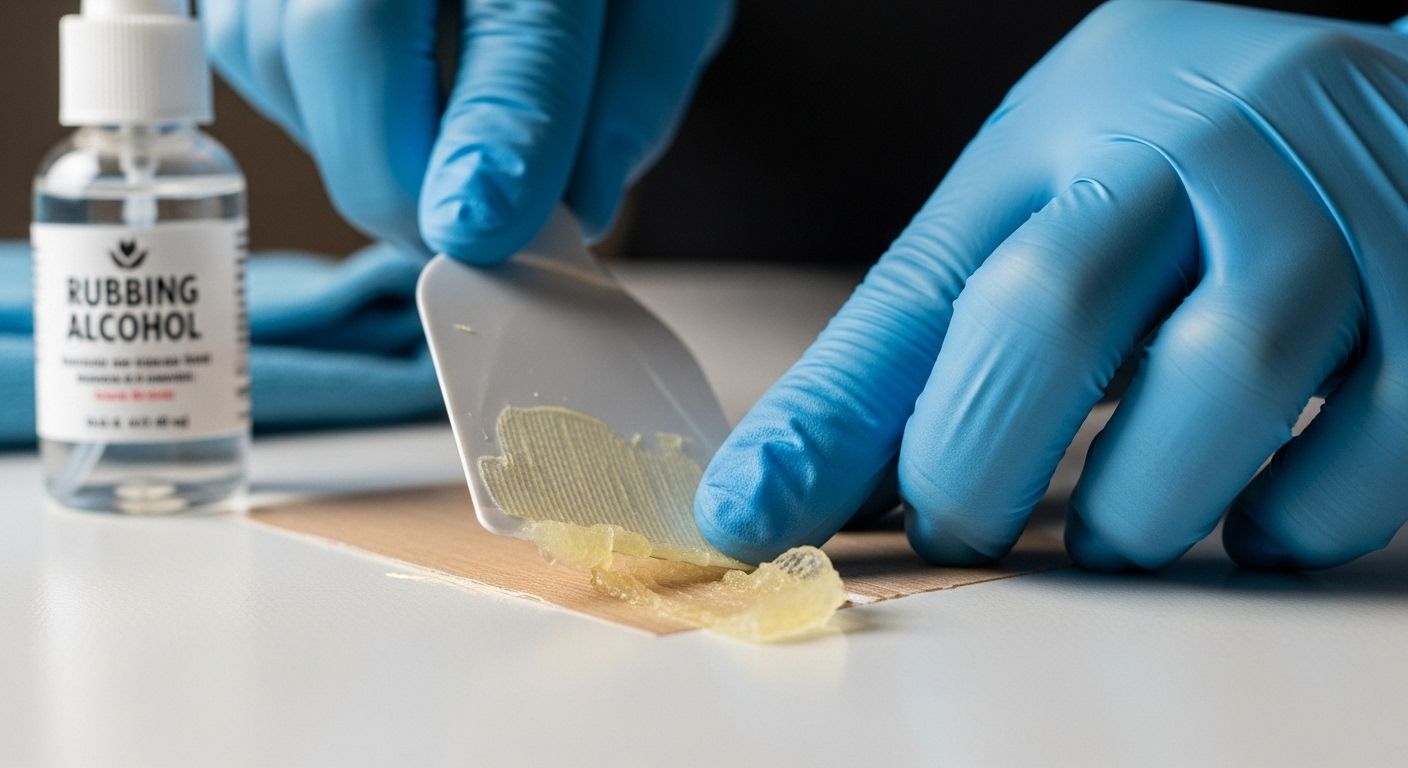
Applying a hot melt adhesive remover correctly ensures maximum efficiency without damaging the underlying material. Begin by preparing the area and mechanically removing any loose, unattached debris. Apply the remover directly to the stubborn residue and allow sufficient penetration time for the active ingredients to work. For industrial machinery, slight controlled heating may accelerate the chemical breakdown process. Finally, wipe the dissolved adhesive with a clean microfiber cloth and rinse the treated surface thoroughly if required by the product guidelines.
Always allow adequate penetration time for the remover to fully dissolve the hardened glue before attempting to wipe the surface.
Safety Measures ⚠️
Handling chemical solvents requires strict adherence to established safety protocols to prevent accidents. Since a hot melt adhesive remover can be chemically potent, users must always operate in a well-ventilated area to avoid inhaling potentially harmful fumes. Always wear protective gloves to prevent skin irritation or accidental burns, especially when dealing with recently heated industrial components. Additionally, it is highly recommended to test the cleaning solution on a small, inconspicuous area first, as certain aggressive formulas may cause plastic damage or unwanted discoloration on sensitive substrates.
- Always wear protective gloves during the entire application process.
- Ensure proper ventilation in your designated workspace at all times.
- Test on a small area to prevent unexpected surface damage.
Prevention Tips 🛡️
Preventing excessive adhesive accumulation is just as important as knowing how to properly remove it. Establishing a routine cleaning schedule helps maintain equipment efficiency and significantly reduces the need for heavy-duty chemical solvents later on. Operators should regularly inspect application nozzles and working surfaces for early signs of sticky buildup. Proper handling of hot melt tools, such as strictly avoiding equipment overheating, significantly minimizes the formation of carbonized debris and keeps the entire application system running smoothly.
| Task | Frequency | Primary Benefit |
|---|---|---|
| Visual Inspection | Daily | Catches early buildup |
| Nozzle Wipe | After use | Prevents fluid blockages |
| Deep Cleaning | Monthly | Maintains peak efficiency |