


Table of Contents
- Core Chemical Compositions and Their Impact on Filter Performance
- Key Applications in Filter Manufacturing: From Pleating to Sealing
- A Practical Guide to Selecting the Right Adhesive: Brands and Criteria
- 2026 Environmental Regulations and Future Trends in Filter Adhesives
- On-Site Application: A Checklist for Success
In the world of high-performance filtration, the media often gets all the credit. Yet, what if the single point of failure in a multi-million dollar system wasn't the advanced membrane, but the few grams of adhesive holding it together? The choice of a filter hotmelt adhesive is not a minor detail; it is a fundamental decision that dictates structural integrity, production efficiency, and the final product's ability to withstand harsh operating environments. For R&D specialists and production managers, understanding the chemical nuances of these adhesives is the key to unlocking superior filter performance and reliability.
Core Chemical Compositions and Their Impact on Filter Performance 🧪
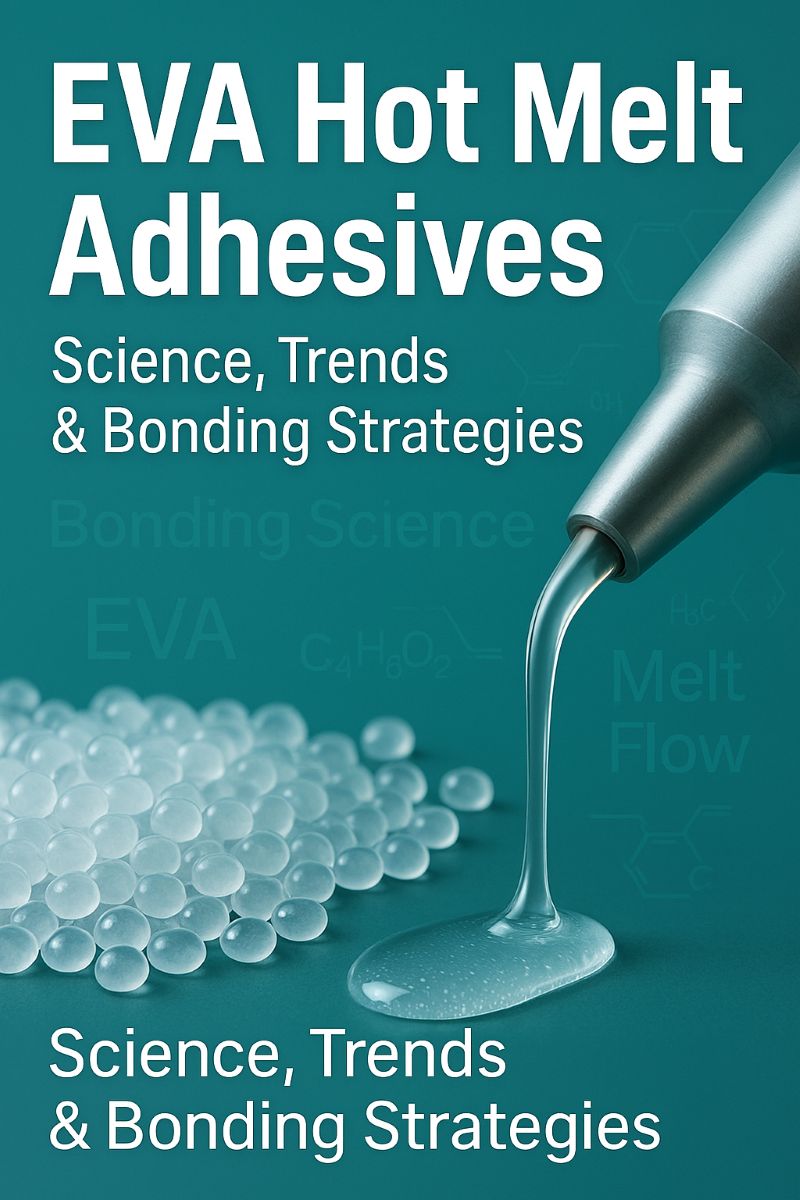
The foundation of any high-performing hotmelt adhesive for filter applications lies in its chemical composition. Different polymers offer distinct advantages, and matching the right chemistry to the filter's end-use is critical. The three most prevalent chemistries in the industry are Ethylene-Vinyl Acetate (EVA), Polyamide (PA), and Polyolefin (PO).
EVA-based adhesives are versatile and cost-effective, making them a popular choice for general-purpose applications like HVAC air filters. They offer good adhesion to a wide range of substrates, including paper and nonwovens, and provide a fast setting time. However, their primary limitation is a relatively low heat and chemical resistance, making them unsuitable for more demanding environments.
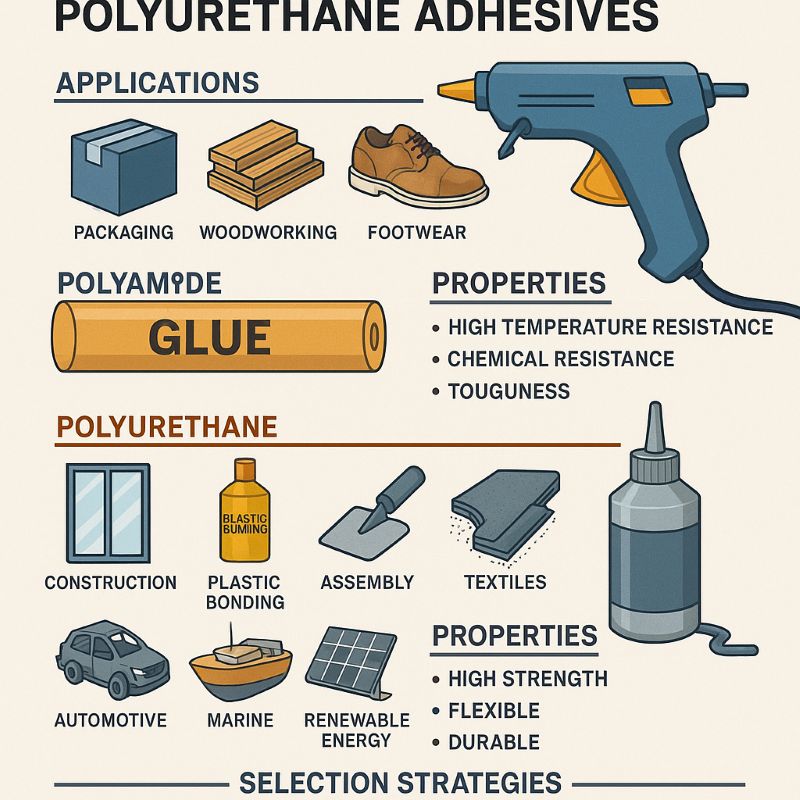
Polyamide (PA) hot melts are engineered for high-performance applications, particularly in automotive and industrial fluid filtration. Their key strengths are exceptional thermal stability and strong resistance to oils, fuels, and chemicals. This makes them the go-to choice for oil filters and hydraulic systems where the adhesive must maintain its bond integrity at elevated temperatures and in contact with aggressive fluids.
Polyolefin (PO) adhesives, including Amorphous Poly-Alpha-Olefin (APAO), bridge the gap between EVA and PA. They exhibit better thermal stability and chemical resistance than EVA while often being more flexible and cost-effective than Polyamides. This balanced profile makes them suitable for a broad spectrum of applications, from industrial air filters to specialized liquid filtration systems.
| Chemical Composition | Key Strengths | Common Applications |
|---|---|---|
| EVA (Ethylene-Vinyl Acetate) | Cost-effective, fast setting, good general adhesion | HVAC air filters, cabin air filters, general-purpose pleating |
| Polyamide (PA) | High heat resistance, excellent chemical/oil resistance | Automotive oil filters, hydraulic filters, industrial fluid filtration |
| Polyolefin (PO/APAO) | Balanced performance, good thermal stability, flexibility | Industrial air filters, water filters, HEPA/ULPA frame bonding |
Key Applications in Filter Manufacturing: From Pleating to Sealing ⚙️
A filter bonding hotmelt is not a one-size-fits-all solution; its application is highly specific to the manufacturing stage. The adhesive's role is multifaceted, providing everything from initial structural formation to final sealing. Understanding these distinct functions is crucial for optimizing both the filter's design and the production line's efficiency.
The most common applications are pleating, frame bonding, and end-cap sealing.
-
Pleating: This is the process of creating and stabilizing the folds in the filter media. A hot melt bead is applied to the media to act as a separator, maintaining uniform spacing between pleats. This ensures optimal airflow and maximizes the filter's surface area. The adhesive must have a precise viscosity and open time to form a clean, consistent bead without soaking through the media.
-
Frame Bonding: Once pleated, the filter media pack is bonded into a plastic, metal, or cardboard frame. The adhesive's role here is purely structural, providing a rigid and durable bond that can withstand vibration, pressure changes, and thermal cycling throughout the filter's service life.
-
End-Cap Sealing: This final step involves potting or sealing the ends of the filter element to prevent bypass. The adhesive creates an impermeable seal, forcing the fluid or air to pass through the filter media rather than around it. This application demands an adhesive with excellent gap-filling properties and strong adhesion to both the media and the end-cap material.
💡KEY POINT
- Pleating: Hot melt adhesives maintain uniform pleat separation, crucial for airflow and efficiency.
- Frame Bonding: Provides the core structural integrity, securing the filter media pack within its housing.
- End-Cap Sealing: Creates a leak-proof seal, ensuring all fluid or air is properly filtered by preventing bypass.
A Practical Guide to Selecting the Right Adhesive: Brands and Criteria 📋
Choosing the ideal filter hotmelt adhesive requires a systematic approach that moves beyond basic chemistry to consider real-world variables and available market solutions. Leading manufacturers like Henkel (Technomelt), Bostik (Kizen), Jowat, and 3M offer specialized product lines tailored for the filtration industry. For instance, Henkel's Technomelt series includes high-performance Polyamides for demanding automotive applications, while Jowat's Jowatherm products are often specified for high-speed HEPA filter manufacturing.
The selection process must be guided by several key operational criteria. The primary consideration is the filter's operating environment. Will it be exposed to high temperatures, aggressive chemicals, or constant moisture? An automotive oil filter requires a Polyamide adhesive, whereas a standard home HVAC filter can perform perfectly with an EVA or Polyolefin-based product. The filter media itself is another critical factor; the adhesive must be chemically compatible with the substrate, whether it's cellulose, synthetic nonwoven, or glass media. Finally, production line speed and application method (e.g., bead, spray) will dictate the required viscosity, open time, and set speed of the adhesive.
When evaluating a new adhesive, always request a technical data sheet (TDS) and conduct a trial run on your specific filter media and production equipment. Lab data is essential, but real-world performance on your line is the ultimate test of compatibility and efficiency.
2026 Environmental Regulations and Future Trends in Filter Adhesives 🌍
The industrial adhesives market is undergoing a significant transformation driven by heightened environmental awareness and stricter regulations. As of 2026, the focus on sustainability is impacting hotmelt adhesive for filter formulations profoundly. The industry is moving away from traditional solvent-based systems towards 100% solids, solvent-free hot melts, which inherently have near-zero Volatile Organic Compound (VOC) emissions. This shift not only helps manufacturers meet environmental compliance but also improves workplace safety.
Looking ahead, two major trends are shaping the future. The first is the development of bio-based hot melt adhesives. These formulations utilize renewable raw materials, reducing the industry's reliance on fossil fuels and lowering the product's overall carbon footprint. While still an emerging technology, advancements are making bio-based options increasingly viable for certain filtration applications.
The second trend is the push for adhesives with lower application temperatures. Traditional hot melts often require high temperatures (180°C+), consuming significant energy. Newer formulations are being engineered to apply at lower temperatures (120-140°C), which reduces energy consumption, enhances operator safety, and allows for use with more heat-sensitive filter media and frame materials. These innovations are paving the way for more efficient, safer, and greener filter manufacturing processes.
💡KEY POINT
- Regulatory Push: A strong industry shift towards low/zero VOC adhesives to meet 2026 environmental and safety standards.
- Sustainability: Growing demand for bio-based hot melts derived from renewable resources to reduce carbon footprint.
- Energy Efficiency: Development of low-temperature application hot melts to cut energy costs and improve safety.
On-Site Application: A Checklist for Success ✅
Even the most advanced filter bonding hotmelt will fail if not applied correctly. Success depends on careful control of process variables on the production floor. R&D and production teams must work together to ensure that the adhesive's specified parameters are met consistently. A simple mistake in temperature or pressure can lead to bond failure, production downtime, and compromised filter quality.
Before starting a production run, it is essential to verify several key parameters. The application temperature must be within the range specified on the adhesive's technical data sheet to ensure proper viscosity and wetting of the substrate. The condition of the substrates is also critical; they must be clean, dry, and free of any contaminants like dust or oil that could interfere with adhesion. Finally, factors like open time (the window between application and bonding) and the amount of compression applied must be precisely controlled to create a strong, lasting bond. Regularly auditing these parameters is key to maintaining consistent quality and performance.
| Parameter | Checkpoint | Why It Matters |
|---|---|---|
| Application Temperature | Is the tank, hose, and nozzle temperature within the TDS range? | Incorrect temperature alters viscosity, leading to poor adhesion or stringing. |
| Substrate Condition | Are filter media and frames clean, dry, and free of contaminants? | Contaminants act as a barrier, preventing the adhesive from properly wetting and bonding to the surface. |
| Open Time & Compression | Are parts joined within the specified open time and with adequate pressure? | Exceeding open time results in a weak "cold" bond; insufficient compression leads to poor contact. |
| Equipment Maintenance | Are nozzles clean and free of char? Is the system purged regularly? | Clogged nozzles cause inconsistent application, while char can degrade adhesive performance. |