


Table of Contents
- The "Eco-Friendly" Label: A Common Misconception
- Managing Thermal Risks: Burns and Overheating
- The Unseen Danger: Ventilation and Fume Control
- Beyond Application: Proper Storage and Handling
- Your Ultimate Safety Guide: The Role of the SDS
When you hear "eco-friendly," does "completely risk-free" immediately come to mind? In the world of industrial adhesives, this common assumption can be a critical oversight. While eco-friendly hot melt adhesives represent a significant step forward in sustainability, they are not exempt from the fundamental safety principles that govern all industrial materials. The high application temperatures, unique chemical compositions, and specific handling requirements still demand rigorous safety protocols. This guide will debunk common myths and provide actionable strategies to ensure that your commitment to sustainability in 2026 does not compromise workplace safety.
The "Eco-Friendly" Label: A Common Misconception
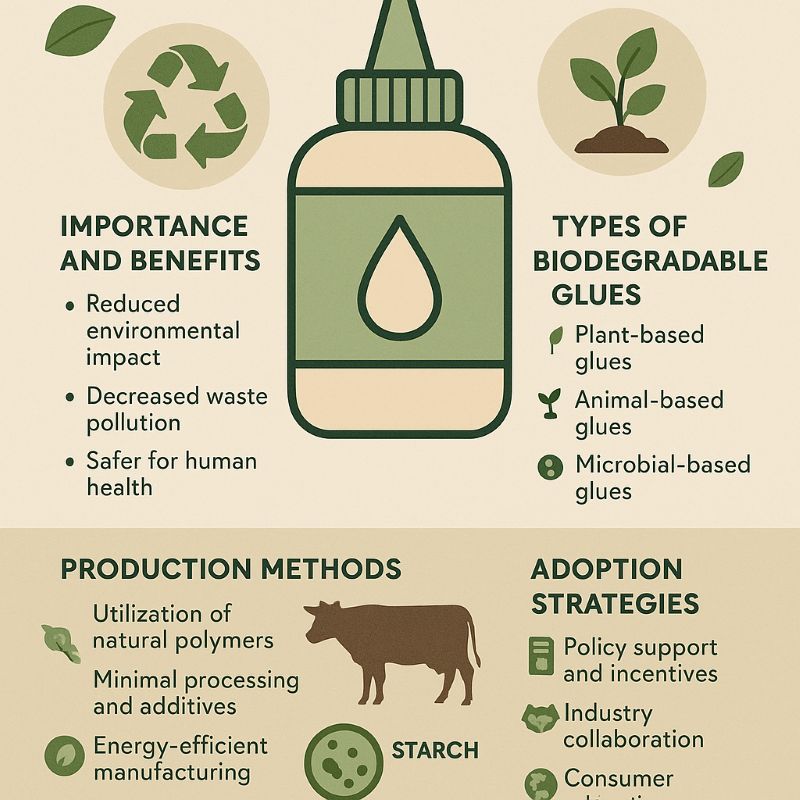
The primary mistake is assuming that "eco-friendly" is synonymous with "harmless." In reality, the term typically refers to an adhesive's origin, lifecycle, or chemical emissions—not its physical hazards. An eco-friendly hot melt might be derived from renewable resources like vegetable oils or starches, be biodegradable, or have low volatile organic compound (VOC) content. However, it is still applied at extremely high temperatures, often between 120°C and 200°C, posing the same significant burn risk as traditional adhesives. The "eco" formulation does not alter this fundamental physical danger. Believing otherwise creates a false sense of security that can lead to carelessness and serious injury. It is crucial for all personnel to understand that standard safety precautions are non-negotiable, regardless of the adhesive's environmental credentials.
💡KEY POINT
- Eco-Friendly Defines Origin, Not Hazard: The term relates to biodegradability, renewable sources, or low VOCs, not the absence of physical risks like high heat.
- Thermal Risk is Constant: Eco-friendly hot melts are applied at high temperatures, presenting the same burn hazards as conventional products.
- Safety Protocols are Universal: Standard Personal Protective Equipment (PPE) and safe handling procedures must always be followed.
Managing Thermal Risks: Burns and Overheating
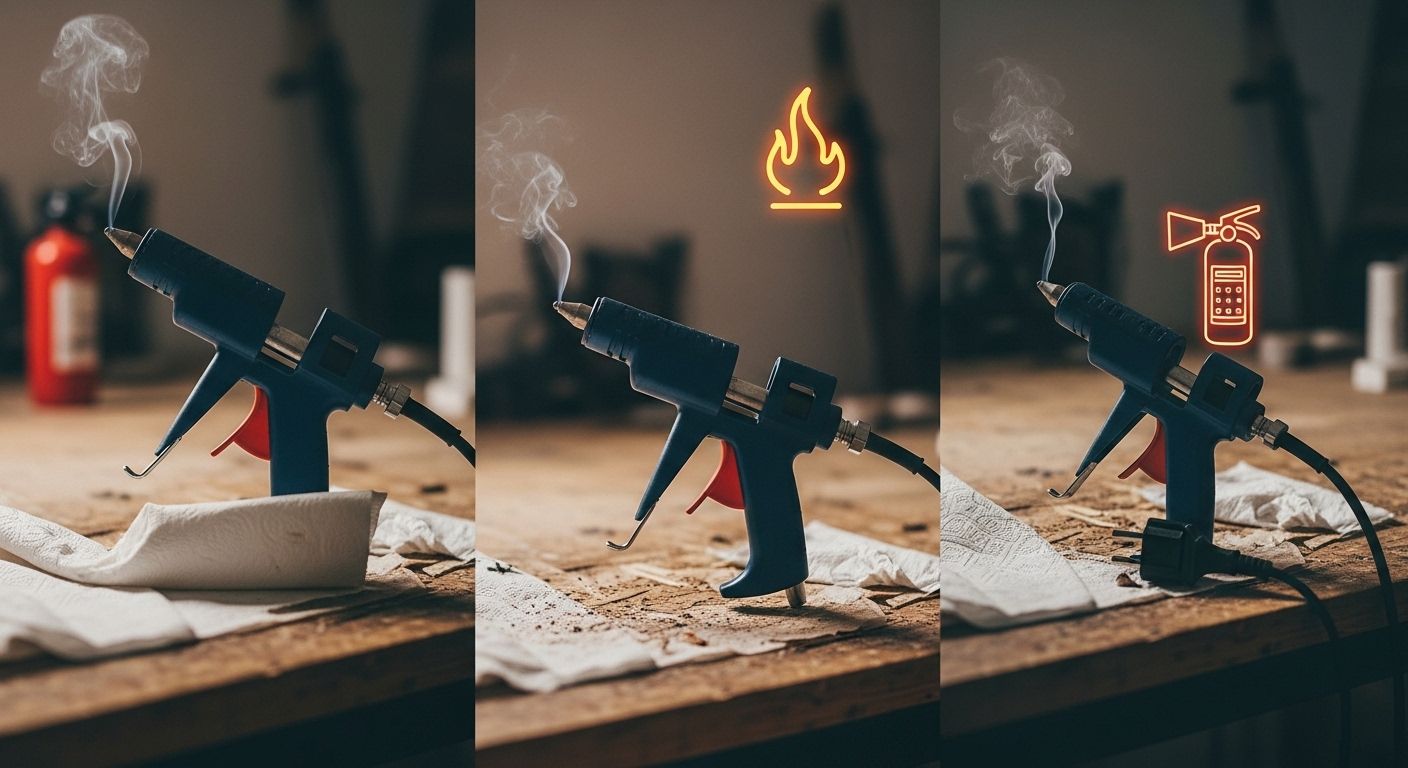
The most immediate and severe danger associated with any hot melt application is thermal burns. However, another critical risk is overheating the adhesive itself. Exceeding the manufacturer's recommended temperature range can cause the material to degrade chemically. This not only compromises the adhesive's bonding strength and performance but can also lead to the release of irritating or potentially toxic fumes. Maintaining precise temperature control is therefore a matter of both quality and safety. Always use equipment with accurate, calibrated temperature controls and regularly verify the settings. Never leave heating equipment unattended for extended periods.
| Risk Factor | Improper Procedure | Best Practice |
|---|---|---|
| Personal Safety | Working without heat-resistant gloves or eye protection. | Always wear heat-resistant gloves, safety glasses with side guards, and long sleeves. |
| Equipment Temp. | Guessing the temperature or using faulty equipment. | Use calibrated equipment with precise temperature controls. Regularly verify the set temperature. |
| Material Integrity | Exceeding the recommended temperature to speed up melting. | Adhere strictly to the temperature range specified in the product's Safety Data Sheet (SDS). |
The Unseen Danger: Ventilation and Fume Control
A low-VOC rating on an eco-friendly hot melt is a significant environmental benefit, but it does not eliminate the need for proper ventilation. When heated, all hot melt adhesives can release fumes or vapors. While these may not be high in regulated VOCs, they can still cause respiratory irritation, headaches, or other health issues, especially with prolonged exposure in poorly ventilated areas. Ensuring a constant flow of fresh air is a fundamental safety measure. Local exhaust ventilation (LEV) systems positioned near the application point are highly effective at capturing fumes at the source before they enter the operator's breathing zone. If engineering controls are not feasible, ensure the workspace is large and open with good general airflow.
To optimize your workspace for safety, establish a designated "ventilation-checked" zone for all hot melt applications. Use portable fume extractors if a permanent system is unavailable. Regularly inspect and maintain all ventilation equipment to ensure it is functioning at full capacity. For operators working continuously with heated adhesives, consider implementing a job rotation schedule to limit individual exposure times.
Beyond Application: Proper Storage and Handling
The unique composition of many eco-friendly hot melt products makes them more sensitive to environmental conditions during storage. Adhesives derived from bio-based materials like plant resins or starches can be susceptible to degradation from exposure to UV light, high humidity, and oxygen. Improper storage can prematurely break down the adhesive, leading to poor performance and wasted material. To maintain product integrity, store adhesives in their original, sealed packaging in a cool, dry place away from direct sunlight. Furthermore, implementing a "First-In, First-Out" (FIFO) stock rotation system is crucial. This ensures that older supplies are used first, preventing the unintended use of materials that may have degraded over time.
| Storage Condition | Potential Negative Impact | Recommended Action |
|---|---|---|
| Moisture/Humidity | Can alter adhesive properties and cause application issues. | Store in a dry location and keep containers tightly sealed. |
| UV Light / Sunlight | Can initiate chemical breakdown in bio-based materials. | Store in opaque packaging away from windows and direct light. |
| Oxygen | Can cause oxidation and degradation over time. | Keep packaging sealed until ready for use. |
| Inventory Age | Older stock may lose its optimal performance characteristics. | Implement a FIFO system to rotate stock effectively. |
Your Ultimate Safety Guide: The Role of the SDS
While general safety rules are essential, every eco-friendly hot melt formulation is different. The single most important document for understanding the specific risks and handling requirements of your product is the Safety Data Sheet (SDS), provided by the manufacturer. The SDS contains detailed, product-specific information on a wide range of topics, including recommended application temperatures, necessary personal protective equipment (PPE), first-aid measures in case of a burn or inhalation, and proper storage guidelines. Making it a mandatory procedure to review the SDS before using any new adhesive is the cornerstone of a robust workplace safety program. This document empowers your team with the precise knowledge needed to handle the material safely and effectively.
⚠️CAUTION
Never assume one eco-friendly hot melt is the same as another. Always read the Safety Data Sheet (SDS) before use. Ignoring this document means you are operating without critical information regarding specific hazards, handling procedures, and emergency responses, significantly increasing the risk of accidents and injuries.