



Table of Contents
- Understanding the Unique Nature of Eco-Friendly Hot Melt
- Core Safety Protocols: Managing Heat, Fumes, and Temperature
- The Non-Negotiable Step: Consulting the Safety Data Sheet (SDS)
- Beyond Application: A Guide to Proper Storage and Equipment Care
- The Complete Process: A Final Safety Checklist
In 2026, the industrial shift towards sustainability is no longer a trend but a standard operating procedure. As companies increasingly adopt greener alternatives, eco-friendly hot melt adhesives have become a cornerstone of modern manufacturing and packaging. However, a common and dangerous misconception has emerged: that "eco-friendly" is synonymous with "harmless." This assumption can lead to serious workplace accidents. The reality is that while these adhesives are better for the environment, they still pose significant risks related to high temperatures, chemical vapors, and material instability if not handled correctly. This guide provides essential, professional-grade safety protocols to ensure that your team can leverage the benefits of eco-friendly hot melt without compromising on workplace safety.
Understanding the Unique Nature of Eco-Friendly Hot Melt
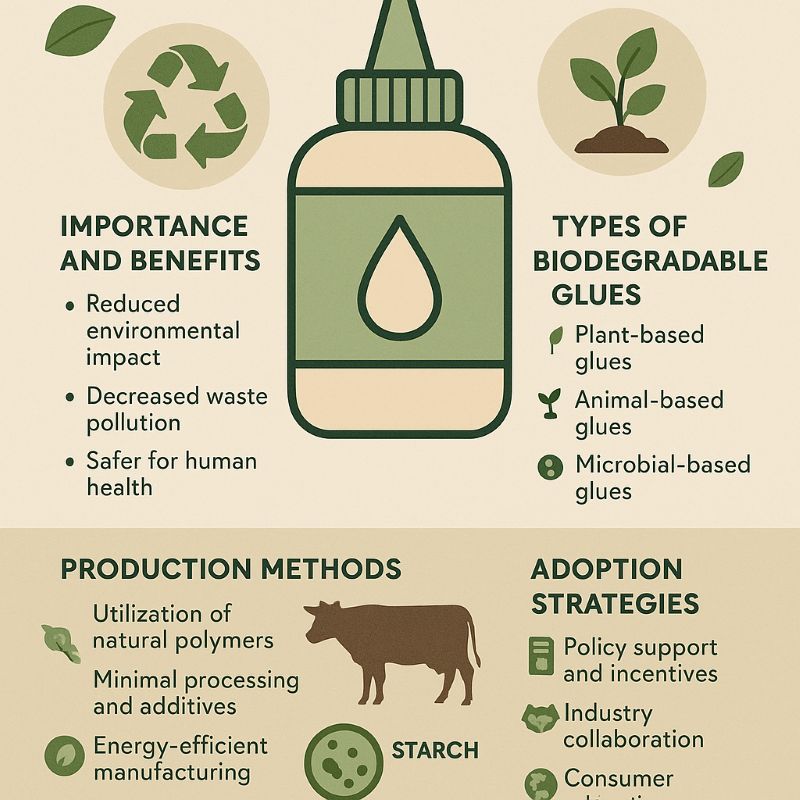
Eco-friendly hot melt adhesives are designed to reduce environmental impact, often formulated with bio-based materials such as vegetable oils, starches, and plant-derived resins. This composition sets them apart from traditional petroleum-based adhesives, offering benefits like lower volatile organic compound (VOC) emissions and biodegradability. However, these natural components also introduce unique characteristics that demand specific attention.
Unlike their synthetic counterparts, many bio-based adhesives are inherently more sensitive to environmental conditions. Their chemical makeup can make them susceptible to degradation from factors like UV light, oxygen, and moisture. This sensitivity means that improper storage or handling can prematurely break down the adhesive, compromising its bonding strength and potentially altering its safety profile. It is a critical mistake to assume that an eco-friendly hot melt will behave identically to a traditional one. Understanding its unique composition is the first step toward safe and effective use. The term "eco-friendly" refers to its lifecycle and environmental impact, not a reduction in the immediate physical risks present during application.
💡KEY POINT
- Bio-Based Composition: Eco-friendly hot melts often use plant-derived materials like starches and resins.
- Environmental Sensitivity: These materials can be more vulnerable to UV light, moisture, and oxygen than synthetic adhesives.
- Performance Impact: Improper handling can lead to premature degradation and loss of adhesive quality.
Core Safety Protocols: Managing Heat, Fumes, and Temperature
The most immediate dangers associated with any hot melt adhesive application are thermal burns, fume inhalation, and chemical degradation from improper heating. Even with eco-friendly formulations, these fundamental risks remain unchanged and require stringent safety measures.
High-Temperature Burns
Hot melt adhesives are applied at temperatures ranging from 120°C to 200°C (250°F to 400°F), which can cause severe, instantaneous burns upon contact with skin. Proper Personal Protective Equipment (PPE) is not optional; it is mandatory.
| Equipment | Purpose | Key Feature |
|---|---|---|
| Heat-Resistant Gloves | Protects hands from splashes and direct contact. | Should be made of leather or other non-melting material. |
| Safety Goggles/Face Shield | Prevents eye injury from splashes. | Must have side guards for comprehensive protection. |
| Long-Sleeved Clothing | Protects arms from accidental contact. | Made from non-synthetic, durable fabric like cotton. |
Fume Management and Ventilation
While many eco-friendly hot melts are formulated to have low or no VOCs, heating any adhesive will produce fumes. These vapors can irritate the respiratory system, eyes, and skin, especially in enclosed spaces. Always operate in a well-ventilated area. Local exhaust ventilation (LEV) systems that capture fumes at the source are ideal. If LEV is not available, ensure good general airflow through open doors, windows, or industrial fans to disperse any vapors.
Proper Temperature Control
Overheating is one of the most critical safety hazards. When an adhesive is heated above its manufacturer-recommended temperature, it can begin to chemically break down. This degradation not only ruins the adhesive's bonding properties but can also release more hazardous or irritating fumes. Always use application equipment with reliable and accurate temperature controls.
⚠️CAUTION
Overheating an eco-friendly hot melt can cause irreversible chemical degradation. This not only weakens the bond but may also generate unexpected and potentially toxic vapors. Never exceed the temperature specified by the manufacturer.
The Non-Negotiable Step: Consulting the Safety Data Sheet (SDS)
Not all eco-friendly hot melts are created equal. Formulations vary significantly between products and manufacturers, and so do their specific safety requirements. The single most important document for understanding these differences is the Safety Data Sheet (SDS), formerly known as the Material Safety Data Sheet (MSDS).
The SDS provides comprehensive information about a substance's potential hazards and how to work with it safely. It includes details on ingredients, first-aid measures, firefighting procedures, handling and storage instructions, and the necessary personal protective equipment. Treating the SDS as a mandatory pre-use document is a cornerstone of industrial safety. Before introducing any new adhesive into your workflow, the relevant personnel must read and understand its SDS. This ensures that your team is aware of any unique risks, such as specific chemical sensitivities or unusual thermal properties, associated with that particular product.
To quickly find the most critical information in an SDS, focus on these sections:
- Section 2: Hazards Identification: A quick summary of the primary risks.
- Section 7: Handling and Storage: Essential for day-to-day use and inventory management.
- Section 8: Exposure Controls/Personal Protection: Details the required PPE.
Beyond Application: A Guide to Proper Storage and Equipment Care
A comprehensive safety plan extends beyond the moment of application. How you store your adhesive and maintain your equipment are crucial factors in ensuring both safety and product quality. This is especially true for bio-based hot melts, which can be more sensitive to their environment.
Proper Storage Protocols
To prevent the premature degradation of eco-friendly hot melts, proper storage is essential.
- Protect from the Elements: Store adhesives in a cool, dry place away from direct sunlight (UV exposure), high humidity, and extreme temperatures.
- Sealed Containers: Keep containers tightly sealed to protect the product from moisture and oxygen, which can initiate breakdown.
- Stock Rotation: Implement a "First-In, First-Out" (FIFO) system for your inventory. Using older stock first ensures that all material is used while it is still within its recommended shelf life, maintaining consistent quality and performance.
Equipment Maintenance and Cleanup
Well-maintained equipment is safe equipment. Regular cleaning and inspection of hot melt tanks, hoses, and nozzles prevent clogging, which can lead to pressure buildup and dangerous equipment failure. Follow the manufacturer's guidelines for safe cleanup procedures. Never use unauthorized solvents or apply excessive force to clear a blockage, as this can damage the equipment and create new hazards.
The Complete Process: A Final Safety Checklist
Integrating safety at every stage of the hot melt process—from receiving to disposal—is the best way to prevent accidents and ensure high-quality results. Use a systematic checklist to formalize procedures and remind operators of critical safety actions throughout the entire workflow. This approach transforms safety from an afterthought into an integral part of the operation.
This final checklist provides a structured overview of the key safety considerations for every phase of working with eco-friendly hot melts.
| Phase | Action Item | Purpose |
|---|---|---|
| Before Use | Read the product-specific SDS. | To understand all potential hazards and required PPE. |
| Inspect all equipment for damage or clogs. | To prevent equipment failure and pressure buildup. | |
| Ensure the work area is well-ventilated. | To disperse any fumes generated during heating. | |
| During Use | Wear all required PPE (gloves, goggles, etc.). | To protect against severe thermal burns and splashes. |
| Monitor and maintain the correct application temperature. | To prevent adhesive degradation and hazardous fumes. | |
| After Use | Power down and clean equipment as per guidelines. | To ensure safe operation for the next use. |
| Store unused adhesive in a sealed, cool, dry place. | To preserve product quality and prevent degradation. |
By adhering to these protocols, your facility can confidently embrace the benefits of sustainable technology while upholding the highest standards of workplace safety in 2026 and beyond.