



Table of Contents
- Understanding Hot Melt Adhesive Pellets
- What Is Open Time and Why Is It Crucial?
- Key Factors Influencing Open Time in 2026
- How to Identify and Manage Open Time Accurately
- Selecting the Right Hot Melt Adhesive for Your Needs
In modern manufacturing, a minor delay can cause immediate structural failure. As industrial operations accelerate in 2026, optimizing hot melt adhesive application remains critical for production lines. Understanding the exact window of opportunity before the polymer sets ensures strong bonds and prevents material waste. This comprehensive guide explores the science behind adhesive timing to boost your overall operational efficiency.
Understanding Hot Melt Adhesive Pellets 🏭
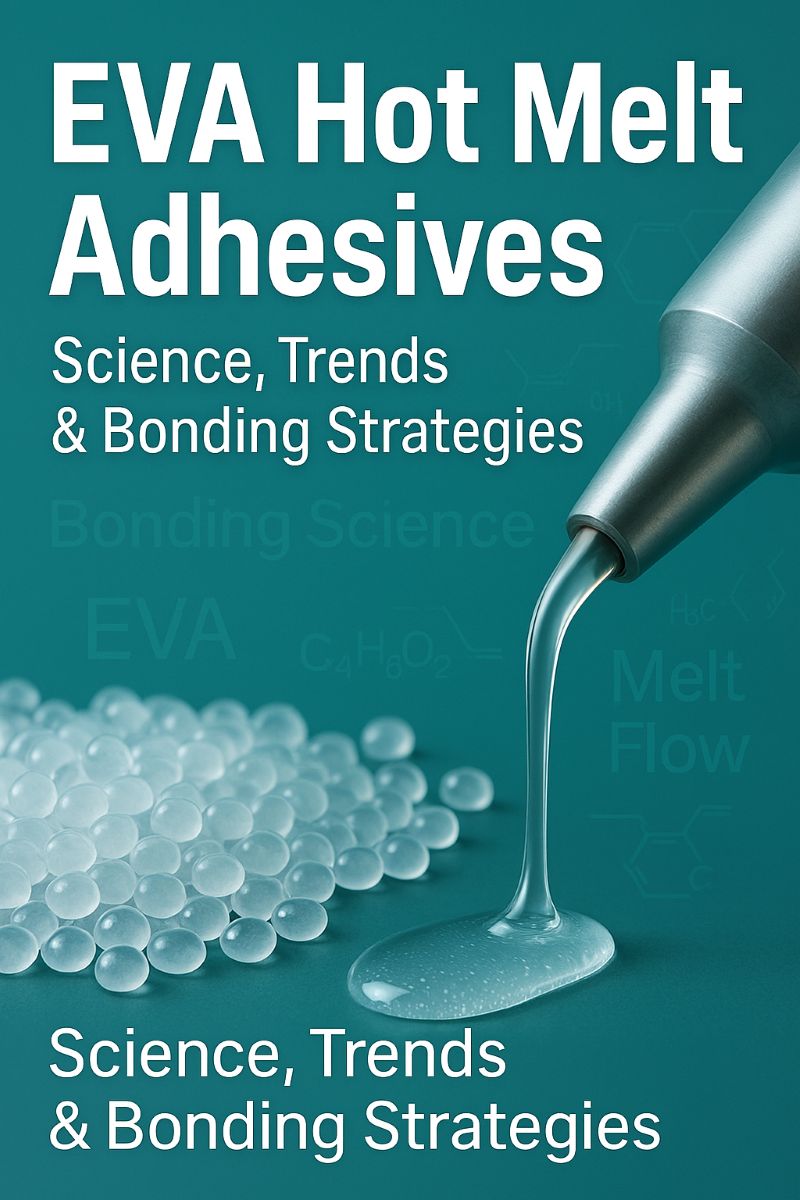
Hot melt adhesive pellets are solid polymers that liquefy when subjected to high heat. Upon application, they rapidly cool and solidify, creating a highly durable bond between surfaces. Industries globally rely on these materials because they require no drying time or chemical curing, ensuring high efficiency for continuous manufacturing environments.
The fundamental bonding mechanism relies entirely on thermal transition. When the solid adhesive material melts inside a specialized tank, it becomes a flowable liquid. As it loses heat to the surrounding environment and the bonded materials, it reverts to a solid state. The duration of this phase transition serves as a critical metric for production managers.
- Thermoplastic nature: Melts upon heating and solidifies rapidly upon cooling.
- No chemical curing: Achieves maximum strength simply through temperature reduction.
- High efficiency: Functions as the ideal solution for rapid assembly and packaging.
What Is Open Time and Why Is It Crucial? ⏱️
Open time represents the specific operational window during which a hot melt adhesive remains tacky and capable of forming a successful bond. Industry consensus defines it as the effective duration before the liquid cools sufficiently to lose its adhesive properties. Depending on the product, this timeframe ranges from a single second to several minutes.
Failing to compress the substrates together within this timeframe causes premature curing. This creates a weak surface bond, often called a cold seal, which drastically compromises structural integrity. Recognizing precise operational time limits prevents product failures and material waste. Different applications demand vastly different timing parameters.
| Application Type | Typical Time Range | Primary Use Case |
|---|---|---|
| Packaging Fast-Set | 1 to 15 seconds | Carton sealing and automated closing |
| General Assembly | 20 to 50 seconds | Furniture and general product assembly |
| Specialty Long-Open | 2 to 5 minutes | Complex manual tasks and large surfaces |
Key Factors Influencing Open Time in 2026 🌡️
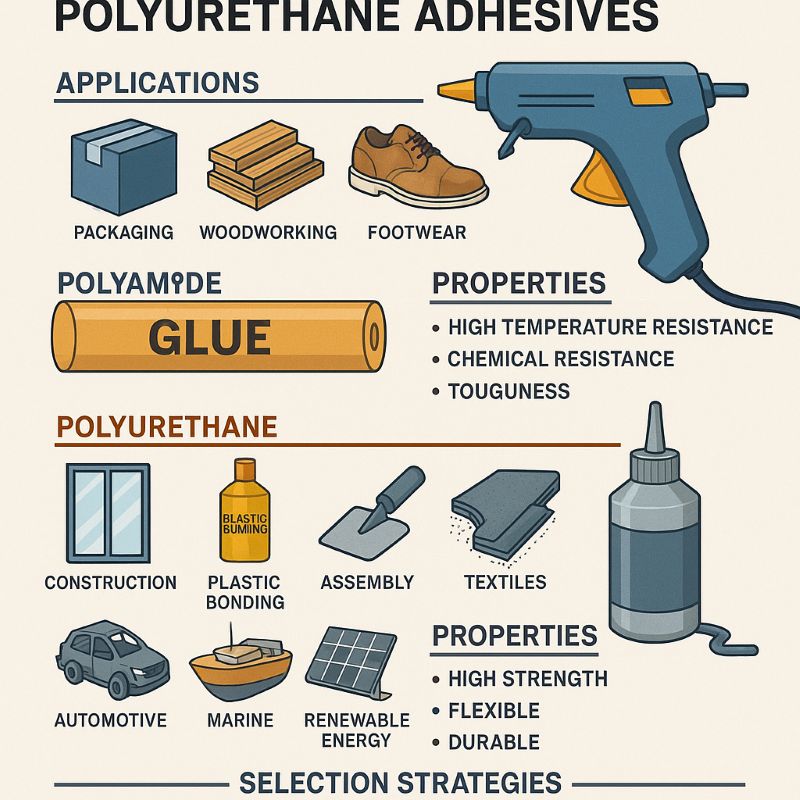
The exact open time for your pellets fluctuates based on multiple intersecting variables. The most significant factor is the adhesive formulation. Standard EVA-based adhesives exhibit relatively short bonding windows, whereas specific polyamide pellets cure extremely quickly, often within three to ten seconds.
Beyond chemical composition, the application temperature plays a pivotal role. Dispensing the polymer at a higher temperature naturally extends the cooling phase. Environmental conditions, including ambient room temperature and facility airflow, dictate how rapidly thermal energy dissipates. Additionally, the thermal conductivity of the substrate material itself directly accelerates or delays the solidification process.
| Influencing Factor | Mechanism of Action | Operational Impact |
|---|---|---|
| Chemical Formulation | Base polymers establish baseline cooling rates | Dictates the initial product selection |
| Application Heat | Higher thermal input delays the solid transition | Extends or shortens the working window |
| Ambient Environment | Cold air or drafts accelerate rapid heat loss | Requires seasonal facility adjustments |
How to Identify and Manage Open Time Accurately 📊
Relying on guesswork for adhesive timing leads to inconsistent quality control. The most reliable method to identify correct parameters involves consulting the manufacturer's Technical Data Sheet (TDS). These documents provide scientifically tested baseline figures for specific temperature ranges.
However, laboratory conditions rarely match the exact realities of a factory floor. Facility managers must conduct standardized testing within their actual production environment to verify these figures. Implementing strict temperature controls on melting tanks and minimizing drafts around the application zone ensures predictable performance batch after batch.
Conduct a localized bond test whenever ambient facility temperatures drop. You may need to slightly increase the applicator temperature to maintain your required working window.
Selecting the Right Hot Melt Adhesive for Your Needs ✅
Choosing the optimal hot melt adhesive requires a careful analysis of your specific operational workflow. High-speed automated packaging lines necessitate fast-setting pellets to prevent cartons from popping open. Conversely, intricate manual assembly processes require formulations that offer extended flexibility, allowing workers to reposition components.
Ultimately, the open time of adhesive pellets varies significantly based on product characteristics and environmental conditions. Failing to complete the bonding process within this critical window guarantees weak adhesion. By thoroughly evaluating your substrate materials and production speed requirements in 2026, you can select a formulation that maximizes both bond strength and process efficiency.
Map out your exact assembly sequence before purchasing materials. Ensure the chosen adhesive formulation provides a time window slightly longer than your slowest anticipated manual step.