


Table of Contents
- Traits
- Efficiency
- Demands
- Criteria
- Trends
Did you know that utilizing an incompatible adhesive can trigger a complete production line failure, resulting in massive financial losses? As we navigate through 2026, the industrial manufacturing landscape demands absolute precision and reliability. Relying on generic, standard adhesives is no longer a viable strategy for complex operational environments. Understanding the exact capabilities and structural benefits of a Customized Hot Melt serves as the critical first step toward securing operational stability. This approach guarantees superior product quality and minimizes unexpected downtime across various sectors.
Traits 🛠️
A standard adhesive functions merely as a generic solution, suitable for basic packaging or simple woodworking tasks. In stark contrast, a Customized Hot Melt operates as a highly engineered formulation, meticulously tailored for specific industrial applications. Chemical engineers adjust the exact chemical composition to meet precise performance requirements dictated by the facility. This bespoke approach ensures that the adhesive successfully withstands unique environmental battles, such as extreme ambient humidity, direct chemical exposure, or intense mechanical vibrations. It provides a level of precision that off-the-shelf products simply cannot match.
- Standard adhesive: Designed for general, low-stress applications.
- Customized formula: Engineered for specific environmental conditions.
- Primary advantage: Exact performance alignment with operational demands.
Efficiency ⚖️
Transitioning to a specialized adhesive solution necessitates a thorough evaluation of the financial and operational impacts. While a regular hot melt remains cheaper and is readily accessible for immediate deployment, a Customized Hot Melt demands initial development resources and rigorous laboratory testing. However, this upfront investment directly translates into substantial long-term efficiency gains. By significantly reducing equipment downtime, minimizing material waste, and preventing catastrophic bond failures, manufacturing facilities ultimately lower their total operational expenses. The enhanced durability fully justifies the initial testing phases.
| Feature | Standard | Customized |
|---|---|---|
| Initial Cost | Low | Moderate |
| Development | Immediate | Requires testing |
| Long-term ROI | Moderate | High |
Demands 🏭
Modern production environments face increasingly complex challenges that generic adhesives fail to resolve. Various industries now explicitly require specialized physical traits, including low odor emissions, advanced UV resistance for prolonged outdoor exposure, and even temperature-triggered color changes for visual quality control. For example, the automotive and advanced electronics sectors demand adhesives capable of maintaining absolute structural integrity under intense thermal and mechanical stress. A Customized Hot Melt perfectly addresses these exact parameters, ensuring that the final assembled product remains highly durable regardless of severe external factors.
Evaluate your specific environmental stressors, such as UV exposure or extreme temperatures, before requesting a Customized Hot Melt formulation from your supplier.
Criteria 📋
Selecting the optimal adhesive formulation fundamentally dictates the overall success and efficiency of your assembly line. Procurement and facility managers must systematically evaluate required performance characteristics, localized environmental conditions, and specific substrate compatibility. Integrating a Customized Hot Melt requires transparent and detailed communication regarding the exact application process. Accurately documenting the precise temperature ranges, mandatory curing times, and expected mechanical stress levels ensures that the final chemical formulation strictly meets all critical operational targets.
| Criteria | Description | Action |
|---|---|---|
| Thermal Limits | Maximum operating temperature | Record peak heat |
| Substrate Type | Materials being bonded together | Test surface tension |
| Curing Speed | Time required for solidifying | Match line speed |
Trends 🚀
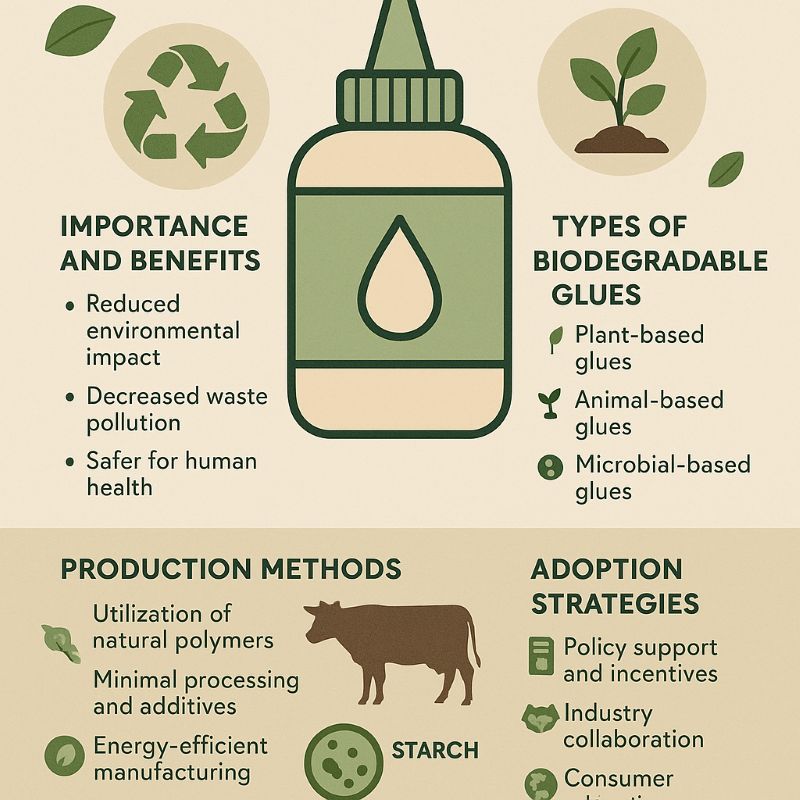
The global adhesive market in 2026 strongly prioritizes environmental sustainability alongside traditional high-performance metrics. Emerging chemical technologies primarily focus on integrating bio-based raw materials and developing energy-efficient application methodologies. Consequently, a modern Customized Hot Melt frequently incorporates eco-friendly polymers while strictly maintaining its core bond strength. As international environmental regulations become increasingly stringent, these tailored, sustainable solutions will undoubtedly dictate the future baseline standards for all industrial manufacturing processes.
Failing to adopt sustainable adhesive solutions by 2026 may result in severe compliance issues with new environmental manufacturing regulations.