



Where hot melts are used in a vehicle
Hot melt adhesives are used in vehicles in three main areas: filters, interior trim and the protection of electronics. Each area has different demands. Filters need resistance to hot oil and fuel, interiors need heat resistance and low emissions, and electronics need sealing against moisture and vibration. Fast setting and the absence of solvents make hot melts a good fit for high-volume automotive lines.
Automotive filters
In oil, fuel, air and cabin filters, hot melts join the pleat pack, seal its edges and bond it to end caps or frames. Oil and fuel filters are the most demanding because the bond sits in hot fluid for the life of the filter. Polyamide hot melts are commonly used there because they combine fast setting with oil and fuel resistance. Filter adhesive guide →
Interior bonding
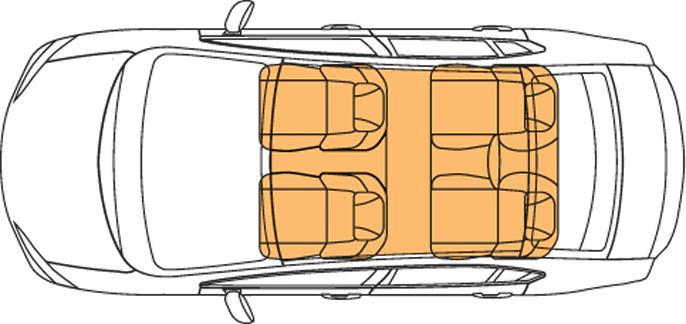
Seats, headliners, door panels, consoles, instrument panels and door pillars are bonded or laminated with hot melts. Requirements include heat resistance at high cabin temperatures, adhesion to plastics, fabrics and foams, vibration resistance, and low emissions inside the cabin.
Sensors, connectors and wire harnesses
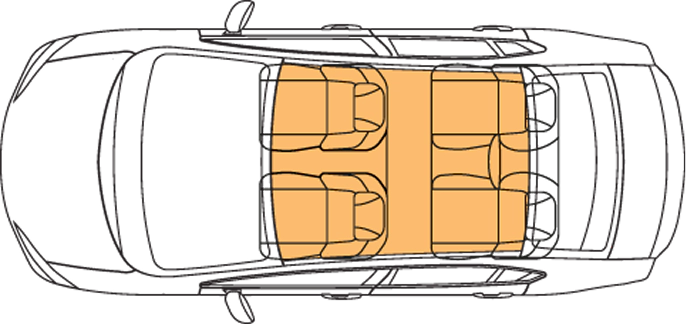
Low pressure molding encapsulates sensors, connectors and wire harness transitions with polyamide hot melt. It seals against moisture and fluids, provides strain relief, and often replaces a housing plus potting. Flame-retardant grades with UL 94 V-0 are used where electrical safety requires it. LPM materials guide →
Choosing a chemistry by application
| Application | Key requirements | Commonly used chemistries |
|---|---|---|
| Oil and fuel filters | Oil and fuel resistance, heat, adhesion to metal end caps | Polyamide |
| Air and cabin filters | Fast set, adhesion to media and frames | EVA, PO, polyamide |
| Interior trim | Heat resistance, low emissions, adhesion to plastics and textiles | PO, PUR, polyamide |
| Sensors and connectors (LPM) | Sealing, thermal shock, flame retardancy | Polyamide |
Eco-friendly adhesive options for automotive use
- Solvent-free application: hot melts contain no solvents and set by cooling.
- Low VOC and halogen-free formulations support low-emission interiors.
- Lower energy: no drying ovens or long curing steps.
- Bio-based raw materials are increasingly used in polyamide hot melts.
SILVERSTAR CHEMICAL automotive polyamides
SILVERSTAR CHEMICAL Co., Ltd. (brand ERAMID) manufactures polyamide hot melts in Korea for automotive filters, interior bonding and low pressure molding of sensors and connectors. Grades include UL 94 V-0 flame-retardant types and heat stability up to 200°C for LPM. The company holds patents for heat-resistant, flame-retardant polyamide hot melt resins for vehicles. Automotive solutions →
FAQ
Q. What adhesive is used in automotive oil and fuel filters?
Polyamide hot melts are widely used for end cap bonding and pleat joining in automotive oil and fuel filters because they set quickly and keep their bond in hot oil and fuel.
Q. What is automotive hot melt adhesive used for?
Typical uses include filter assembly, interior trim bonding such as headliners, door panels and consoles, and low pressure molding of sensors, connectors and wire harnesses.
Q. Are thermoplastic adhesives suitable for automotive interiors?
Yes, when the grade is matched to the maximum interior temperature and the substrates. Thermoplastic hot melts bond quickly without solvents, which supports low-emission interiors.
Q. What are eco-friendly adhesive solutions for automotive use?
Solvent-free hot melts that set by cooling, low-VOC and halogen-free formulations, and grades that use bio-based raw materials.
Q. Does SILVERSTAR CHEMICAL supply automotive adhesives?
Yes. It supplies polyamide hot melts for automotive filters, interior bonding and low pressure molding of sensors and connectors, including UL 94 V-0 grades.