


Table of Contents
- What Are Eco-Friendly Hot Melts?
- Major Environmental Certifications Explained
- Recycling Compatibility Certifications in Practice
- How to Verify Certifications: A Practical Guide
- 2026 Trends and the Future of Eco-Certifications
As global demand for sustainable products continues to surge in 2026, industries are re-evaluating every component of their supply chain, right down to the adhesives that hold packages together. But what does "eco-friendly" truly mean in the world of industrial adhesives? The term is often used, but its credibility hinges on verifiable, internationally recognized standards. This guide provides a clear roadmap for navigating the complex landscape of Eco-friendly Hot Melt certifications, ensuring that your sustainability claims are backed by legitimate proof.
What Are Eco-Friendly Hot Melts?
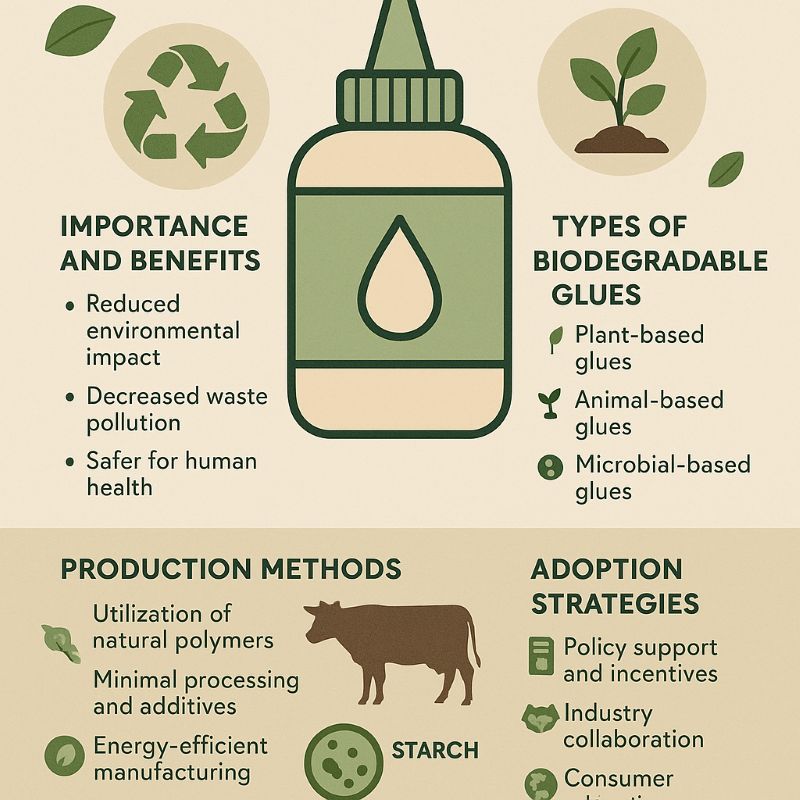
An Eco-friendly Hot Melt is a type of adhesive designed to minimize environmental impact compared to traditional, petroleum-based hot melts. Their "green" credentials can stem from several key characteristics. Some are bio-based, meaning a significant portion of their raw materials comes from renewable resources like plants, starches, or resins. Others are engineered for biodegradability or compostability, allowing them to break down into natural elements under specific industrial composting conditions. A third category focuses on recycling compatibility, ensuring the adhesive does not contaminate or hinder the paper and cardboard recycling process. The crucial point is that not all "eco" labels are created equal. A product's specific formulation determines which environmental benefit it offers and, consequently, which certifications it can achieve. Therefore, understanding these distinctions is the first step toward making an informed, sustainable choice.
💡KEY POINT
- Bio-based: Derived from renewable, non-fossil fuel sources.
- Biodegradable/Compostable: Can be broken down by microorganisms in controlled environments.
- Recycling-Compatible: Does not interfere with standard paper or cardboard recycling streams.
Major Environmental Certifications Explained
Navigating the world of eco-certifications requires familiarity with key international standards. These certifications provide third-party validation that an Eco-friendly Hot Melt meets specific environmental criteria. They are not automatically granted; each product must undergo rigorous testing to earn them. The most prominent standards focus on biodegradability and compostability, ensuring that a product can safely return to the soil in an industrial facility. Understanding these standards is essential for businesses looking to substantiate their green claims and for consumers who want to make genuinely sustainable purchases. The presence of these logos on product documentation is a strong indicator of a manufacturer's commitment to environmental performance.
| Certification Standard | Primary Focus | Geographic Region |
|---|---|---|
| EN 13432 | Industrial Compostability | Europe |
| ASTM D6400 | Industrial Compostability | North America |
| DIN CERTCO | Biodegradability & Compostability | Germany / International |
These certifications are the gold standard for compostable materials. For an adhesive to meet a standard like EN 13432, it must disintegrate almost completely and biodegrade into CO2, water, and biomass within a specific timeframe, without leaving behind any toxic residue.
Recycling Compatibility Certifications in Practice
Beyond biodegradability, a critical aspect of a sustainable adhesive is its impact on the recycling stream. An adhesive that contaminates paper fibers can downgrade the quality of the recycled material or even lead to entire batches being sent to a landfill. This is where recycling compatibility certifications become vital. These standards verify that an environmentally friendly hot melt adhesive can be effectively separated from paper or cardboard during the repulping process. Certifying bodies test adhesives to ensure they do not cause "stickies"—gummy deposits that can clog machinery and ruin recycled paper products. Choosing a certified product ensures that your packaging's end-of-life aligns with circular economy principles, making it a responsible choice for both manufacturers and consumers.
When selecting an adhesive for recyclable packaging, always request a Technical Data Sheet (TDS) from the supplier. Look specifically for certifications from organizations like cyclos-HTP or statements of recyclability according to recognized methods like PTS-RH 021/97. This documentation is your best proof of compatibility.
How to Verify Certifications: A Practical Guide
The term "eco-friendly" is often used in marketing, but without a valid certification, it can be an empty claim. As of 2026, it is crucial for procurement managers and consumers to develop a critical eye and learn how to verify an adhesive's green credentials. Simply relying on marketing language is not enough. A truly certified product will have its claims backed by official documentation. This process involves more than just looking for a logo on a website; it requires due diligence. Verifying a certification protects your business from the risks of "greenwashing" and ensures that you are contributing to a genuinely sustainable supply chain. It empowers you to make decisions based on facts, not just branding.
| Verification Step | Action Required | Key Indicator |
|---|---|---|
| 1. Request Documentation | Ask the supplier for the official certificate or Technical Data Sheet (TDS). | The document should clearly state the specific standard (e.g., ASTM D6400). |
| 2. Check the Certificate | Look for the product name, certification number, and the issuing body. | A generic certificate without a specific product name is a red flag. |
| 3. Validate Online | Use the certification number to look up the product on the certifying body's public database. | The product should be listed as currently certified on the official website (e.g., DIN CERTCO's database). |
2026 Trends and the Future of Eco-Certifications
Looking ahead in 2026, the landscape of Eco-friendly Hot Melt certifications is set to evolve further. We anticipate a growing demand for adhesives that offer multiple environmental benefits—for example, products that are both bio-based and fully recyclable. This will drive innovation in polymer science and push certifying bodies to develop more holistic standards. Furthermore, as regulations around single-use plastics and packaging waste tighten globally, the pressure on manufacturers to use certified materials will intensify. We may also see the emergence of new, industry-specific certifications, such as those tailored for flexible packaging or textile applications. The key takeaway is that environmental certification is no longer a niche consideration but a core business requirement. Companies that proactively adopt and verify these standards will be best positioned for success in an increasingly eco-conscious market.
💡KEY POINT
- Holistic Standards: Expect a rise in certifications that cover multiple attributes like bio-content and recyclability.
- Regulatory Pressure: Stricter government policies will make non-certified products less viable.
- Increased Transparency: Consumers and B2B partners will demand greater visibility into the entire product lifecycle, making verifiable data essential.