


Table of Contents
- A Revolution in Adhesive Technology
- The Science of Sustainable Adhesion
- Performance Meets Practicality
- Key Industry Applications
- Adhesives for a Greener Future
As global supply chains navigate the complexities of the circular economy in 2026, a quiet but powerful innovation is sealing the deal for sustainability: biodegradable hot melt adhesives. While packaging materials like cardboard and bioplastics often take the spotlight, the adhesives holding them together have remained a critical challenge. Traditional hot melts, derived from petroleum, create permanent bonds but also permanent waste, complicating recycling and contributing to long-term pollution. This article explores the science, performance, and applications of their eco-friendly counterparts, demonstrating how this technology is becoming an indispensable tool for industries committed to a greener future.
A Revolution in Adhesive Technology
The transition toward sustainable materials has reshaped countless industries, and adhesive technology is no exception. For decades, conventional hot melt adhesives have been the standard due to their strong bonding capabilities and rapid setting times. However, their reliance on synthetic, petroleum-based polymers presents a significant environmental drawback. These materials do not break down naturally, persisting in landfills for centuries and often contaminating recycling streams. The emergence of biodegradable hot melt adhesives marks a pivotal shift away from this linear "take-make-waste" model. These advanced formulations are designed to deliver the performance industries expect while aligning with the principles of environmental stewardship, offering a solution that is both effective and ecologically responsible.
💡KEY POINT
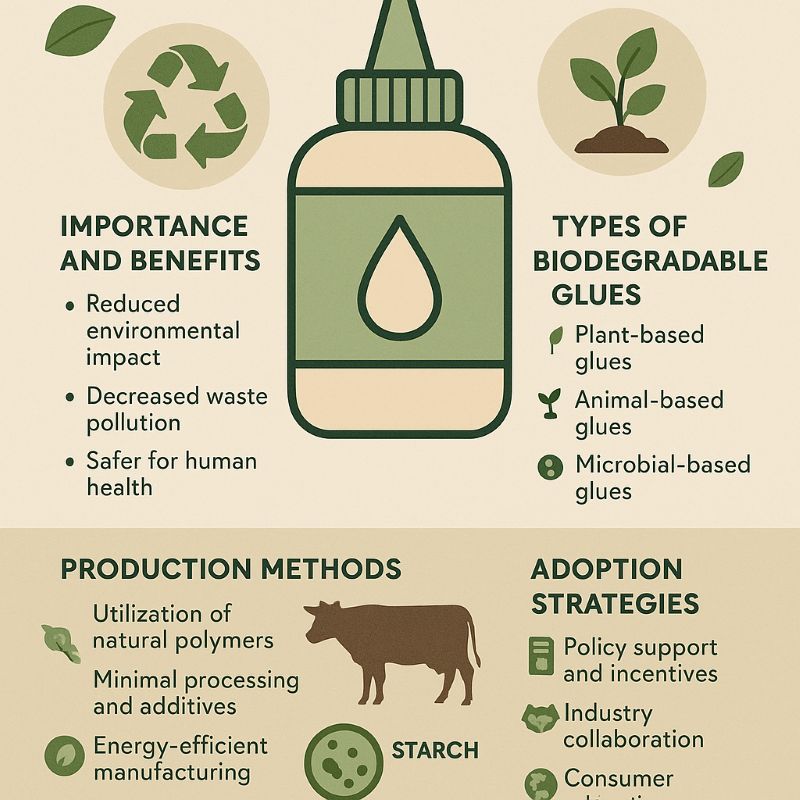
- Traditional Hot Melts: Made from non-renewable, petroleum-based polymers. They do not decompose and can hinder the recycling process.
- Biodegradable Hot Melts: Formulated with renewable or degradable materials. They are designed to break down into natural elements under specific conditions.
- The Shift: This evolution represents a move from a linear waste model to a circular, more sustainable approach in adhesive applications.
The Science of Sustainable Adhesion
The core difference between traditional and biodegradable hot melt adhesives lies in their chemical composition and end-of-life characteristics. Traditional adhesives are typically made from synthetic polymers like Ethylene-vinyl acetate (EVA) or polyolefins, which are durable but environmentally persistent. In contrast, biodegradable hot melt is engineered using polymers derived from renewable resources, such as polylactic acid (PLA), polycaprolactone (PCL), or other bio-based polyesters.
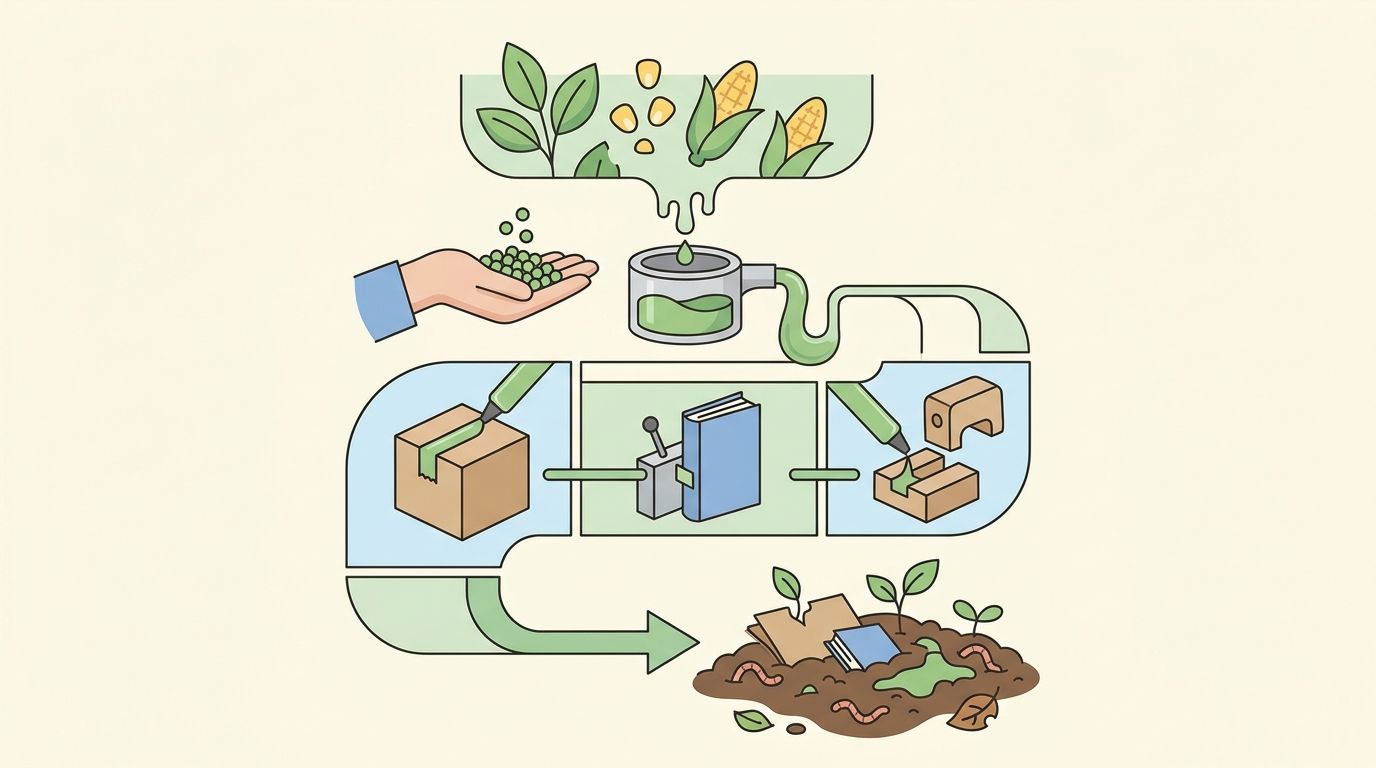
The true innovation is in their decomposition. When exposed to specific environmental conditions involving microorganisms, heat, and moisture (such as in an industrial composting facility), these adhesives break down into harmless natural byproducts: water, carbon dioxide, and biomass. This process crucially avoids the creation of harmful microplastics, a persistent issue with the fragmentation of conventional plastics. By designing an adhesive that returns to the ecosystem, manufacturers can create products that are truly compatible with a circular economy.
| Feature | Traditional Hot Melt Adhesive | Biodegradable Hot Melt Adhesive |
|---|---|---|
| Primary Source | Petroleum-based synthetic polymers | Renewable, bio-based polymers |
| End-of-Life | Persists in landfills indefinitely | Decomposes into natural elements |
| Byproducts | Can generate microplastics over time | Water, CO2, and biomass |
Performance Meets Practicality
A common misconception surrounding eco-friendly products is that they require a compromise on performance. However, modern biodegradable hot melt formulations have been engineered to challenge this notion. Thanks to significant advancements in polymer science, today's biodegradable adhesives offer performance metrics that are highly competitive with their traditional counterparts. This includes fast set times, strong bond strength across various substrates like paper and cardboard, and excellent thermal stability for different operational environments.
These adhesives are no longer a niche solution but a practical and viable alternative for mainstream industrial applications. Manufacturers can now integrate biodegradable hot melt into their existing production lines with minimal adjustments, ensuring that the switch to a sustainable option does not disrupt operational efficiency. The result is a product that meets both demanding performance standards and corporate sustainability goals, proving that environmental responsibility and industrial practicality can go hand in hand.
When selecting a biodegradable hot melt, consider the specific end-of-life environment for your product. Adhesives certified for industrial composting require specific conditions to break down effectively. Always match the adhesive's properties with the intended disposal method of the final product to ensure true environmental benefits are realized.
Key Industry Applications
The versatility and improved performance of biodegradable hot melt have opened doors to a wide range of industrial applications. These adhesives are becoming particularly crucial in sectors where sustainability is a key driver of consumer choice and regulatory compliance. The packaging industry, especially for e-commerce and food and beverage, is a primary adopter. Using a biodegradable hot melt ensures that the entire package—box, filler, and adhesive—can be composted or disposed of in an environmentally friendly manner.
Beyond packaging, these adhesives are making a significant impact in the manufacturing of single-use products. This includes items like disposable hygiene products, paper cups, and food service items, where the adhesive's ability to biodegrade along with the product itself is a major advantage. By incorporating these adhesives, companies can enhance their product's green credentials and appeal to an increasingly eco-conscious market.
| Industry Sector | Application Example | Sustainability Benefit |
|---|---|---|
| E-commerce & Logistics | Sealing corrugated cardboard boxes | Enables the entire package to be compostable, reducing landfill waste. |
| Food & Beverage | Assembling paper-based containers | Prevents contamination of recycling streams with non-degradable adhesives. |
| Disposable Products | Bonding layers in hygiene products | Ensures the product can break down more completely in managed waste systems. |
Adhesives for a Greener Future
The adoption of biodegradable hot melt technology is more than just a material substitution; it is a strategic step toward a more sustainable and responsible industrial landscape. By choosing adhesives designed for a circular lifecycle, businesses can significantly reduce their environmental footprint, minimize landfill waste, and contribute to the fight against plastic pollution. This technology provides a practical solution to a complex problem, allowing companies to maintain high-performance standards while embracing their environmental commitments.
As regulations tighten and consumer demand for sustainable products continues to grow, the importance of materials like biodegradable hot melt will only increase. It serves as a powerful reminder that even the smallest components of a product can have a major impact on its overall sustainability. For businesses looking to innovate and lead in the green economy of 2026 and beyond, embracing sustainable adhesive technology is not just an option—it is an essential part of the future.
💡KEY POINT
- Reduces Environmental Impact: Biodegradable hot melts break down into harmless substances, preventing long-term pollution and microplastic formation.
- Supports Circular Economy: Aligns with goals to design waste out of systems by creating products that can be safely returned to the environment.
- Meets Market Demand: Addresses the growing consumer and regulatory pressure for fully sustainable products and packaging.