Revolutionizing Packaging: Definition
Hot Melt Adhesive Types
Importance of Adhesive Innovations
Methods of Adhesive Application
Latest Trends in Packaging
Innovative Adhesive Strategies
Future of Packaging Revolution
Frequently Asked Questions (FAQ)
Revolutionizing packaging refers to transforming how products are sealed, protected, and prepared for distribution through more efficient, durable, and sustainable methods. Hot melt adhesives play a significant role in this shift due to their fast-setting properties, reliable bonding performance, and compatibility with automated production. Modern adhesive formulations offer enhanced strength, high heat resistance, and user-friendly application options, enabling packaging operations to achieve greater speed and consistency while reducing material waste.
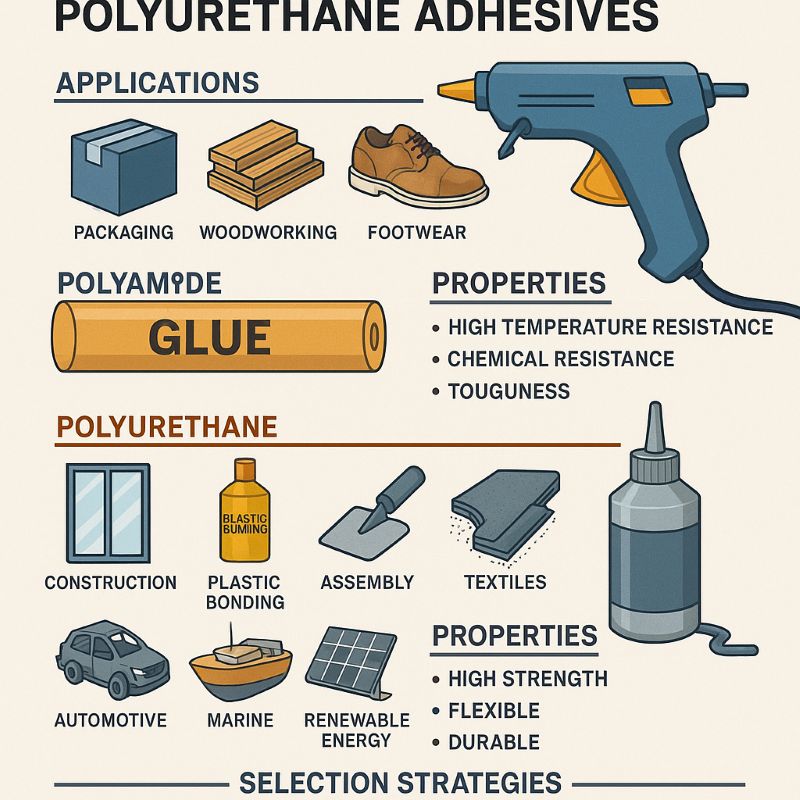
Hot melt adhesives used in packaging come in several formulation types, each offering different benefits:
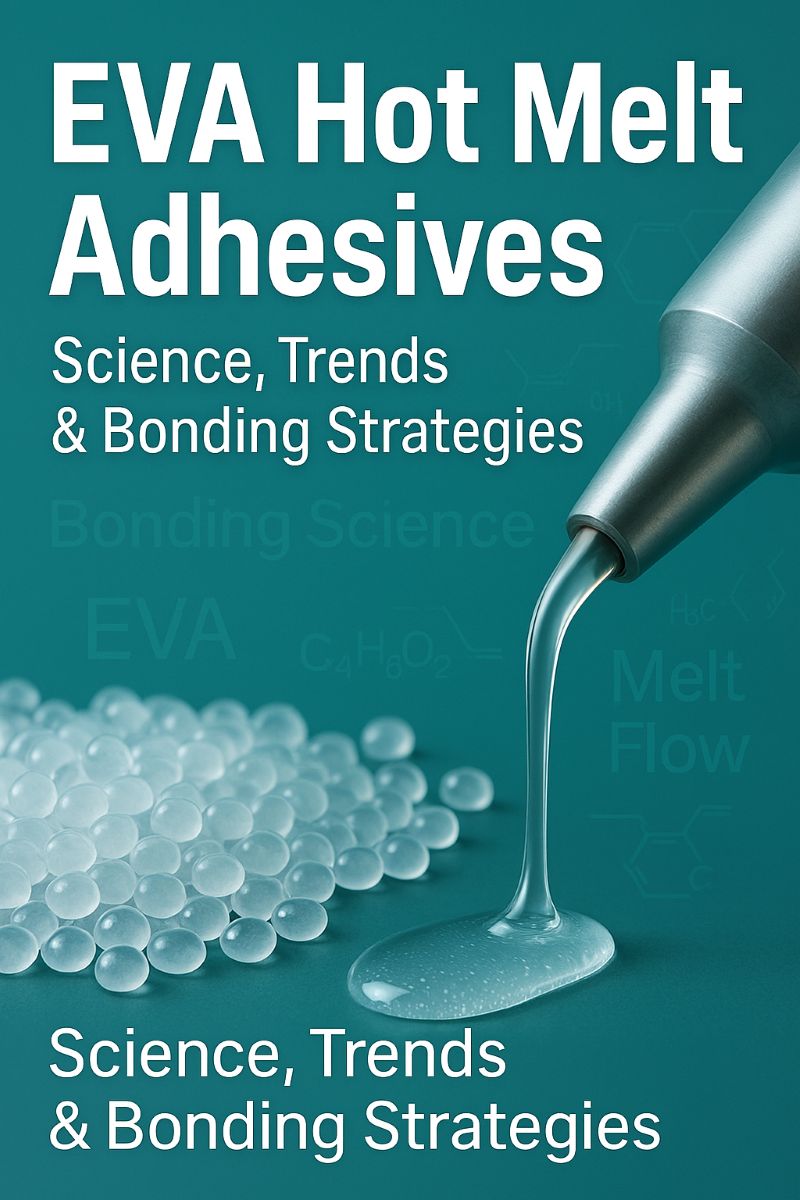
Ethylene-Vinyl Acetate (EVA)
Popular for general packaging due to its balance of strength, flexibility, and affordability.
Polyolefin Hot Melt
Offers improved durability, chemical resistance, and high bond strength, suitable for more demanding packaging environments.
Fast-Setting Hot Melt Formulations
Designed for rapid processing lines, enabling quick adhesion during high-volume production.
Pressure-Sensitive Hot Melt
Applied at room temperature and remains tacky, used for applications requiring easy handling, repositioning, or manual assembly.
These formulations allow businesses to tailor the adhesive choice to the specific performance requirements of their packaging lines.
Advancements in adhesive technology are central to improving packaging efficiency and sustainability. Modern hot melt adhesives help:
Reduce packaging weight
Improve sealing reliability
Support high-speed automation
Enhance compatibility with recyclable and lightweight materials
Reduce waste by minimizing application volume
Innovations such as higher bond strength, better flexibility, and faster setting characteristics help companies optimize production while moving toward more eco-conscious packaging solutions.
Effective packaging requires selecting the proper adhesive application method. Common approaches include:
Spray Application
Provides even coverage, ideal for irregular surfaces and multi-layered packaging materials.
Roll Coating
Ensures consistent adhesive thickness, suitable for larger surface areas and controlled application.
Extrusion / Bead Application
Used in high-speed packaging lines for precise placement and rapid bonding.
Pressure-Sensitive Dot or Strip Applications
Offer simple, manual-friendly options for lightweight assembly or point-of-purchase packaging tasks.
Matching adhesive formulations with the appropriate application method ensures efficiency, strong bonding, and reduced material consumption.
Recent trends in packaging highlight shifts toward sustainability, efficiency, and advanced adhesive functionality:
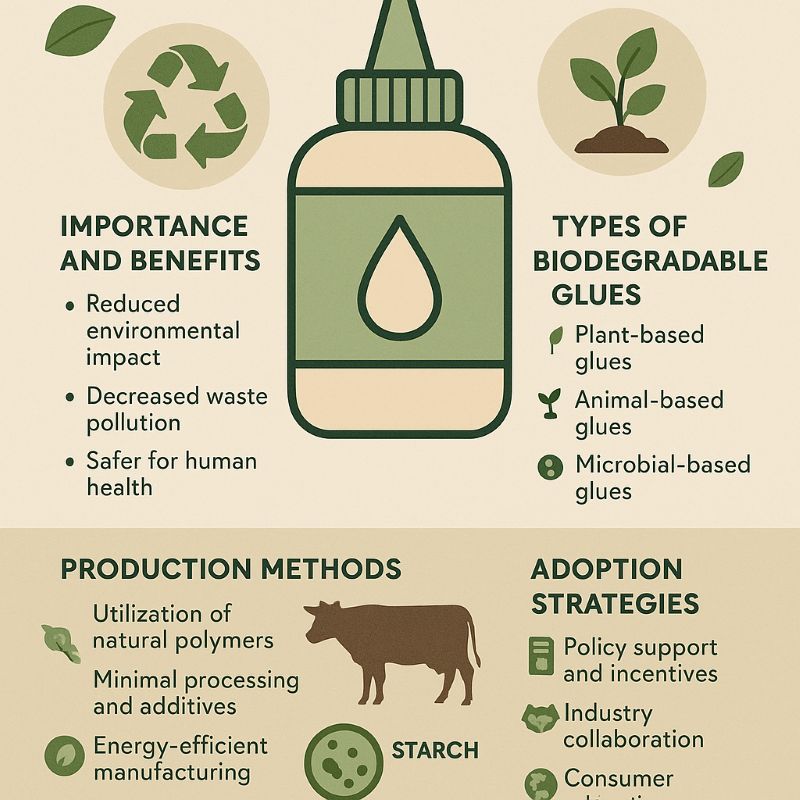
Eco-friendly hot melt formulations
Reduced VOCs, bio-based inputs, and improved recyclability.
Faster, low-energy bonding systems
Designed for modern automation and energy reduction.
Compatibility with lightweight, recyclable substrates
Supporting trends toward minimal packaging and circular resource use.
User-friendly adhesive formats
Simplified application for manual or small-batch packaging tasks.
These developments help manufacturers respond to growing expectations for environmentally responsible packaging without sacrificing performance.
Innovative strategies in packaging adhesives include:
Optimizing adhesive choice based on material behavior
Ensuring proper bonding with various plastics, paperboards, and coated substrates.
Integration with automated systems
Improving consistency and reducing human error.
Using multi-function adhesives
Combining strength, flexibility, and temperature resistance to support varied packaging needs.
Reducing adhesive consumption
Achieving the same bond strength at lower coating weights, contributing to cost savings and environmental benefits.
These strategies help packaging operations balance strength, efficiency, and sustainability.
The future of packaging will be shaped by advancements in adhesive technology that emphasize sustainability and high performance. Expected developments include:
Expanded use of bio-based or biodegradable hot melt adhesives
Improved thermal and mechanical durability
Adhesives compatible with fully automated, data-driven production environments
Enhanced bonding solutions for next-generation recyclable materials
These innovations will support a packaging ecosystem focused on environmental responsibility, performance reliability, and manufacturing agility.
What are hot melt adhesives?
Thermoplastic adhesives applied in a molten state that solidify upon cooling, creating fast and strong bonds for packaging.
What types of hot melt adhesives are used in packaging?
Common types include EVA, polyolefin hot melts, fast-setting formulations, and pressure-sensitive hot melts.
Why are adhesive innovations important?
They improve bonding reliability, speed, material efficiency, and sustainability.
How are hot melt adhesives applied?
Methods include spraying, roll coating, bead extrusion, and pressure-sensitive manual application.
What packaging trends relate to adhesives?
Eco-friendly formulations, advanced automation compatibility, and reduced material usage.
How can businesses improve adhesive use?
By aligning adhesive type with substrate properties, optimizing equipment settings, and minimizing waste.
What is the future of adhesives in packaging?
More sustainable materials, advanced performance characteristics, and greater integration with automated production.